Mastering Amazon Product Photography: Your Guide to High-Converting Listing Images
Boost your Amazon sales with stellar product photography. This guide details Amazon's image requirements, best practices for main and lifestyle photos, common p


In the hyper-competitive world of Amazon, your product images are often the first and most crucial point of contact with potential customers. They don't just showcase your product; they tell a story, build trust, and can be the deciding factor between a click and a sale. For Amazon sellers, understanding and adhering to the platform's stringent product photography requirements and best practices isn't just about compliance – it's a direct pathway to increased visibility, higher conversion rates, and ultimately, greater success.
Why Image Quality Directly Impacts Sales and Rankings on Amazon
Amazon is a visually driven marketplace. When a customer searches for a product, they are immediately presented with a grid of images. High-quality, professional photos stand out, drawing the eye and encouraging clicks. But the impact goes far beyond initial impressions:
- First Impressions & Trust: Professional images convey trustworthiness and quality, suggesting that if you invest in your product presentation, you likely invest in your product itself.
- Conversion Rates: Clear, detailed, and appealing images allow customers to thoroughly inspect a product from all angles, reducing hesitation and increasing the likelihood of a purchase. They answer unspoken questions, such as "What does it look like in real life?" or "What are its key features?"
- Reduced Returns: When customers have a precise visual understanding of what they're buying, they are less likely to be surprised or disappointed upon arrival, leading to fewer returns.
- Enhanced SEO & Ranking: Amazon's algorithm favors listings with complete, high-quality content, including images. Good images contribute to a positive customer experience, which Amazon prioritizes, potentially boosting your product's search ranking.
- Brand Storytelling: Lifestyle images, in particular, allow you to communicate your brand's ethos and show how your product fits into a customer's life, fostering an emotional connection.
Amazon's Specific Image Requirements: The Foundation of Your Listing
Before you even think about creativity, you must meet Amazon's technical and content requirements for product images. Failing to do so can result in your images being suppressed or your listing being removed entirely.
General Technical Requirements:
- Image Dimensions: Amazon recommends images be at least 1000 pixels on the longest side. This enables the zoom function, which is critical for customers to inspect product details. Ideally, aim for images between 1500 and 2000 pixels on the longest side for optimal zoom capabilities and clarity.
- Aspect Ratio: While not strictly mandated, a 1:1 (square) aspect ratio often works best for main images on product detail pages and search results. Secondary images can vary, but consistency is good.
- File Format: Accepted formats include JPEG (.jpg), PNG (.png), GIF (.gif), and TIFF (.tif). JPEG is generally preferred due to its balance of quality and file size.
- File Size: Images must be less than 10MB. Optimize your images to be high-resolution but also efficient in file size to ensure fast loading times.
- Color Profile: Images must be in an sRGB or CMYK color space. sRGB is recommended for web viewing.
Main Image (Primary Image) Rules:
The main image is arguably the most important photo on your listing. Amazon has very strict guidelines for it:
- Pure White Background: The product must be photographed against a pure white background (RGB 255, 255, 255). No off-white, no gradients, no textures.
- Product Fills Frame: The product should occupy at least 85% of the image frame, allowing customers to see clear details without excessive empty space.
- Product Only: The main image must only show the product being sold. No additional objects, props, or accessories that are not part of the purchase.
- Professional Quality: The image must be a professional photograph of the actual product (not a graphic illustration or placeholder). It should be in focus, well-lit, and with realistic color.
- No Text, Logos, Watermarks: The main image cannot contain any text, logos, watermarks, or graphics of any kind.
- Front View: For most products, a clear front view is preferred, showing the entire product.
Secondary/Lifestyle Image Rules:
While more flexible, secondary images (often called "lifestyle images" or "infographics") still need to be high-quality and add value:
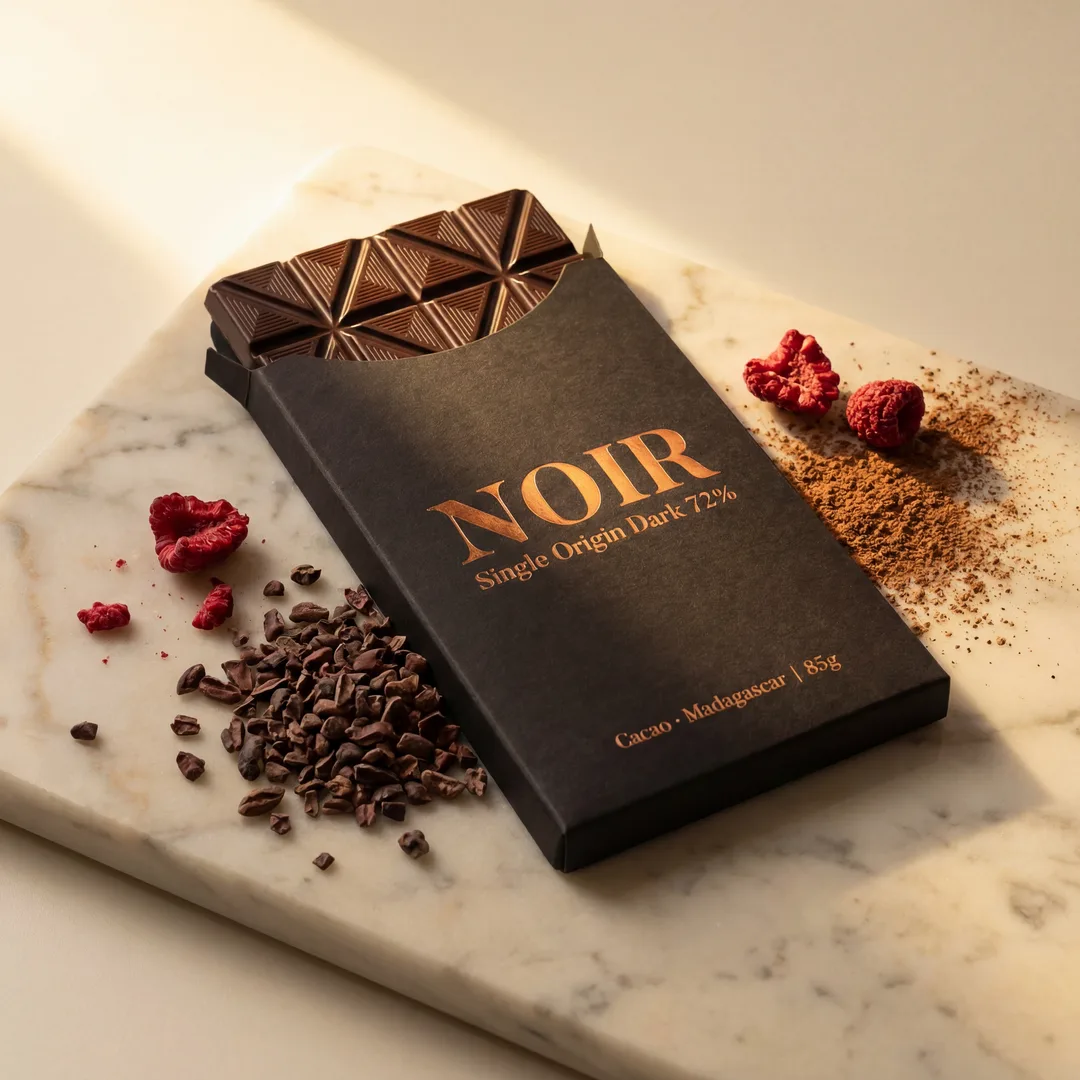
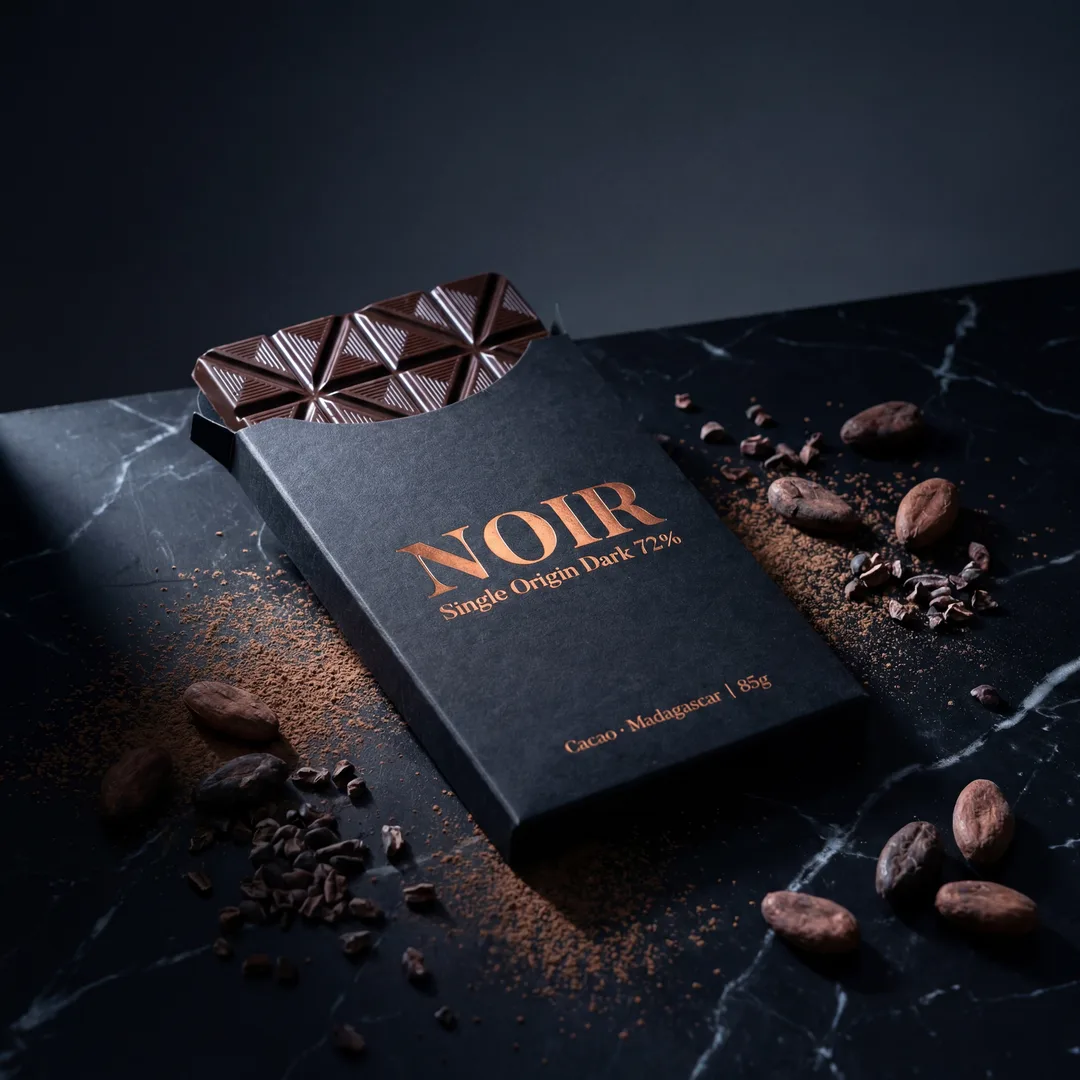
- Contextual or Informative: These images can show the product in use, its features, scale, or different angles. They are crucial for answering customer questions and overcoming objections.
- Background Flexibility: Secondary images can feature real-world backgrounds, props, or models. They do not require a pure white background.
- Text & Graphics Allowed: You can include text overlays, feature callouts, infographics, size charts, and comparison charts to highlight benefits and specifications.
- Multiple Angles: Showcase the product from various angles, highlighting details, textures, and construction.
- Scale: Use props or models to demonstrate the product's size and how it fits into daily life.
Common Mistakes Sellers Make with Amazon Product Images
Even with clear guidelines, many sellers make preventable errors that hurt their listing performance:
- Ignoring Main Image Rules: Using a non-white background, adding text, or including props on the main image are common violations that lead to suppression.
- Low-Resolution or Blurry Images: Pixelated or out-of-focus photos appear unprofessional and make it impossible for customers to see product details, leading to distrust.
- Inconsistent Branding/Quality: A mix of professional and amateur-looking photos creates a jarring experience and undermines perceived quality.
- Over-editing: Excessive filters, artificial colors, or heavy retouching can misrepresent the product, leading to customer dissatisfaction and returns.
- Lack of Variety: Only showing the product from one angle or failing to include lifestyle shots misses opportunities to engage and inform customers.
- Underutilizing Image Slots: Amazon allows up to 9 images (including a video). Not filling all available slots is a missed opportunity to showcase your product comprehensively.
- Misleading Images: Photos that misrepresent the product's size, color, or features will inevitably lead to negative reviews and returns.
Best Practices for Main Images vs. Secondary/Lifestyle Images
Strategic use of all your image slots is key to a compelling listing.
Main Image Best Practices:
- Stunning Clarity: This is your hero shot. It must be perfectly lit, in sharp focus, and beautifully composed. The product should be the undeniable star.
- True-to-Life Representation: Ensure colors and textures are accurate. Avoid heavy filters that alter the product's true appearance.
- High-Resolution: Provide images that support Amazon's zoom feature (at least 1500px on the longest side) so customers can scrutinize details.
Secondary/Lifestyle Image Best Practices:
- Feature Focus: Dedicate images to highlight specific features, benefits, or unique selling points. Use text overlays effectively to point these out.
- In-Context Use: Show the product in a real-world setting. A backpack on a hiker, a coffee maker on a kitchen counter, a toy being played with by a child. This helps customers visualize themselves using it.
- Scale and Dimensions: Include an image that clearly demonstrates the product's size. This could be a picture of the product next to a common object or a simple infographic with dimensions.
- Problem-Solution: Illustrate how your product solves a specific problem or fulfills a need. For example, a storage solution showing a cluttered space transformed into an organized one.
- Before & After: If applicable, show the transformative power of your product.
- Packaging (if relevant): For certain products, showing the packaging can be beneficial, especially if it's premium or provides specific information.
- User-Generated Content (UGC) Style: While not actual UGC, creating images that feel authentic and less staged can resonate with customers. However, always maintain high quality.
How AI Photography Tools Can Help Sellers Meet Amazon's Standards Efficiently
Creating professional, compliant product photography can be a time-consuming and expensive endeavor. Traditional photoshoots require models, props, studio space, and professional photographers – all significant investments. This is where AI-powered photography platforms are revolutionizing the e-commerce landscape.
AI tools can transform a simple product shot into a stunning lifestyle image, saving time and money while ensuring consistency and quality. They are particularly adept at:
- Background Removal & Replacement: Instantly creating pure white backgrounds for main images or placing products into dynamic, context-rich scenes for secondary images.
- Scene Generation: Generating diverse lifestyle scenes that resonate with target audiences, without the need for physical props or models.
- Consistency at Scale: Applying consistent lighting, mood, and composition across an entire product catalog using reusable styles and templates.
- Cost-Effectiveness: Dramatically reducing the cost per image compared to traditional photography.
- Speed: Delivering professional-grade images in minutes, not days or weeks.
Step-by-Step Process for Creating Compliant, High-Converting Images Using Photone AI
Photone AI is an excellent example of an AI-powered platform designed to simplify product photography, making it accessible and efficient for Amazon sellers to create stunning, compliant images. Here's how you can leverage it:
Step 1: Prepare Your Core Product Image
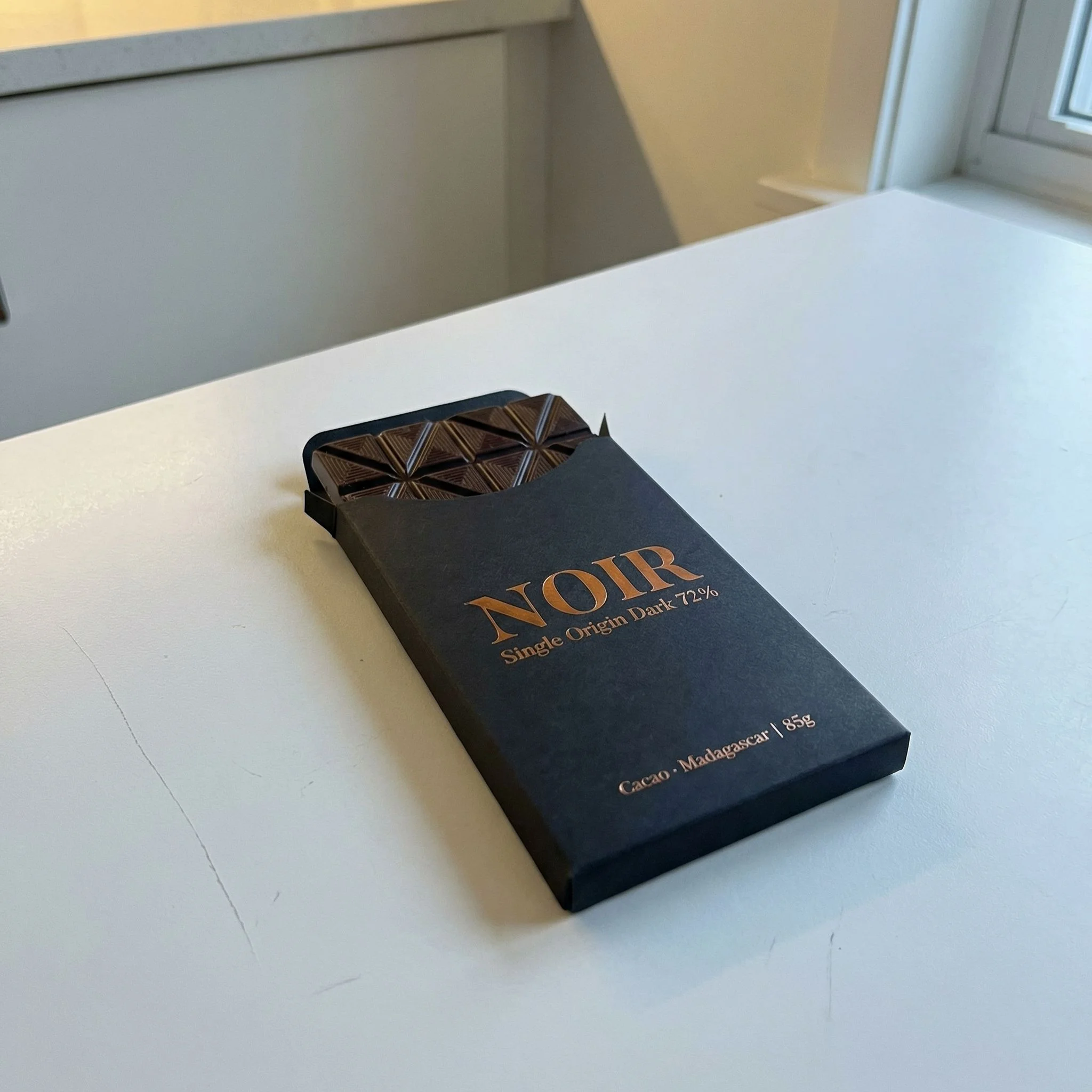
Start with a clear, well-lit photograph of your product. This can be a simple picture taken with a smartphone or a basic product shot. Ensure the product is in focus and well-lit. This will be the input for Photone AI.
St...


Image Requirements
| Type | Details |
|---|---|
| main_image | Pure white background (RGB 255, 255, 255), product fills at least 85% of frame, product only, no text/logos/watermarks, professional quality. |
| secondary_images | Can use various backgrounds, show product in use/features/scale, text/graphics/infographics allowed, high-resolution and professional quality. |
Frequently Asked Questions
What's the absolute minimum image size for Amazon?+
Amazon requires images to be at least 500 pixels on the longest side, but strongly recommends 1000 pixels or more to enable the zoom feature. For optimal quality and zoom, aim for 1500-2000 pixels on the longest side.
Is a pure white background mandatory for all Amazon images?+
No, a pure white background (RGB 255, 255, 255) is mandatory only for your main product image. Secondary images can feature real-world backgrounds, props, or models to showcase the product in context.
Can I add text or graphics to my Amazon product photos?+
You cannot add text, logos, watermarks, or graphics to your main product image. However, secondary images can include text overlays, feature callouts, infographics, and size charts to provide additional information to customers.
How many images should I include in my Amazon listing?+
Amazon allows up to 9 images (including one video) per listing. It's highly recommended to utilize as many of these slots as possible to provide a comprehensive visual representation of your product from various angles and contexts.
Will using AI tools like Photone AI affect my product's authenticity?+
AI tools like Photone AI are designed to enhance the visual presentation of your actual product. By generating realistic lifestyle scenes or refining backgrounds, they create professional-grade images that remain authentic to your product while making it more appealing and informative to customers. The core product remains unchanged.
Can I use photos of models for my Amazon products?+
Yes, you can use photos with models, especially in your secondary/lifestyle images, to demonstrate scale, show the product in use, or add a human element. Ensure the models are diverse and accurately represent your target audience, and always maintain high image quality.