Elevating Your Pet Brand: The Ultimate Guide to AI Product Photography for Pet Products
Discover how AI-powered product photography can transform your pet brand's visual appeal, addressing common challenges and boosting sales.
Why Professional Product Photos Matter for Pet Products Sellers
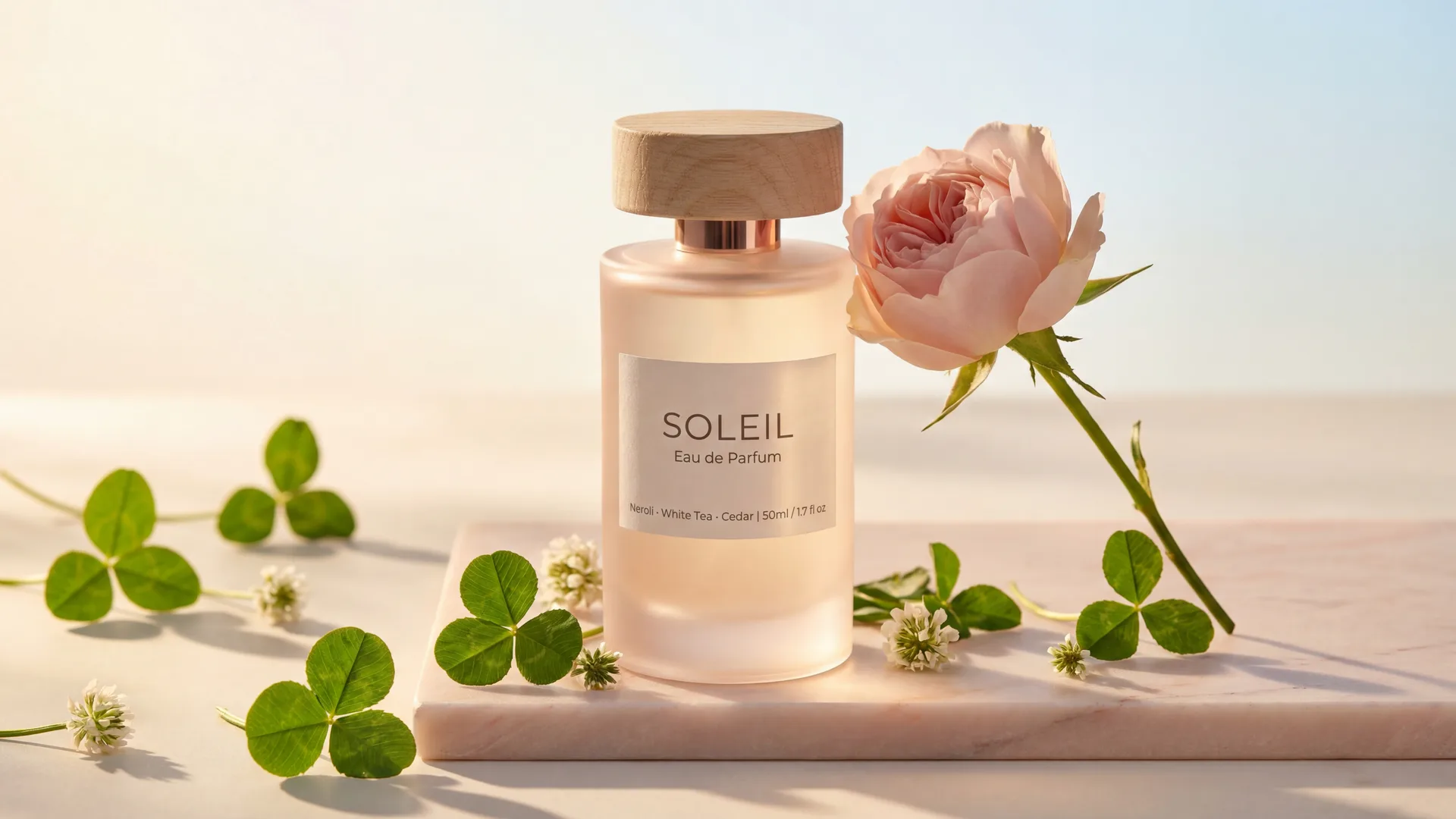
In the booming pet products market, where emotional connections drive purchasing decisions, the visual appeal of your products is paramount. For pet parents, their furry, feathered, or scaled companions aren't just pets; they're beloved family members. This deep bond means that when they shop for toys, food, accessories, or beds, they're not just looking for functionality; they're seeking quality, safety, and products that reflect the love they have for their pets.
Professional pet product photography goes far beyond simply showcasing an item. It builds trust, communicates value, and evokes the aspirational lifestyle pet owners envision for their companions. High-quality images:
- Capture Attention: In a crowded online marketplace, compelling visuals are the first point of contact, stopping scrolls and drawing potential customers in.
- Build Trust and Credibility: Sharp, well-lit, and thoughtfully composed photos signal a reputable brand that pays attention to detail and stands behind its products.
- Convey Quality and Value: Subpar images can make even premium products appear cheap or low-quality, while professional shots highlight craftsmanship, materials, and unique features.
- Evoke Emotion: Lifestyle pet accessory images, showing products in use or beautiful settings, tap into the emotional desires of pet owners, helping them visualize their own pet enjoying the item.
- Reduce Returns: Accurate visual representation minimizes customer disappointment and returns by clearly depicting what the product looks like.
Ultimately, investing in superior pet product photography isnography a luxury; it's a critical component of a successful e-commerce strategy, directly impacting conversion rates and brand perception.
Common Photography Challenges Specific to Pet Products
The unique nature of pet supplies presents several distinct challenges for traditional photography that can often lead to frustration and high costs:
Capturing Scale Accurately
Pet products come in a vast array of sizes, from tiny bird feeders and cat collars to massive dog beds and intricate aquariums. Accurately conveying the scale of these items without a real pet for reference can be tricky. A small toy might look huge, or a large feeder might appear compact, leading to customer confusion and dissatisfaction.
Highlighting Texture and Material
Many pet products boast specific textures that are key selling points: the softness of a plush toy, the ruggedness of a chew bone, the intricate weave of a leash, or the sheen of a ceramic bowl. Capturing these textures so they are palpable through a screen requires expert lighting and camera techniques, which can be time-consuming and expensive to achieve consistently.
Ensuring Color Accuracy
Pet owners often match accessories to their home decor or even their pet's fur. Subtle variations in color, whether it's the specific shade of a pastel leash or the vibrant hue of a squeaky toy, can significantly impact a purchase decision. Achieving consistent and accurate color representation across various products and lighting conditions is a persistent challenge.
Managing Reflections and Shininess
Items like stainless steel bowls, reflective leashes, or glazed ceramic dishes are notorious for glare and unwanted reflections. These can obscure product details, create distracting hotspots, and make products look less appealing. Controlling reflections typically requires specialized lighting setups, diffusers, and careful camera positioning.
Creating Engaging Lifestyle Scenes
Perhaps the biggest challenge for pet product photography is generating compelling lifestyle images. While a clean product-on-white shot is essential for marketplaces, pet owners want to see products in action or in a home environment. Staging these shots with real pets is often unpredictable, costly, and difficult to scale. Hiring animal models, trainers, and photographers for bespoke scenes can quickly drain a marketing budget, making diversified lifestyle content inaccessible for many smaller brands.
How AI-Powered Photography Solves These Challenges
This is where the power of AI-driven product photography, like platforms such as Photone AI, truly shines, offering innovative solutions to these traditional hurdles. AI technology revolutionizes the process by automating and enhancing aspects that were once labor-intensive and costly.
Overcoming Scale and Proportion Issues
AI algorithms can intelligently analyze your product's dimensions and render it within a scene, ensuring its scale is accurately represented relative to its environment. This allows for clear visualization of how a pet bed fits in a living room or how a collar rests on a dog's neck, without ever needing a physical prop or animal.
Accentuating Texture and Material Detail
Advanced AI can simulate various lighting conditions and material properties with incredible fidelity. It can highlight the luxurious softness of a blanket, the robust weave of a fabric chew toy, or the smooth finish of a ceramic bowl, bringing out the tactile qualities of your pet supplies photos AI generates. This ensures that the intricate details that make your products stand out are clearly visible to potential customers.
Guaranteeing Color Consistency and Accuracy
AI systems offer unparalleled control over color reproduction. They can maintain precise color accuracy across an entire product line, eliminating the discrepancies often caused by varying lighting, camera settings, or post-processing inconsistencies in traditional pet product photography. This means what customers see online is exactly what they'll receive.
Eliminating Reflections and Glare
AI can render products in virtual environments, effectively eliminating unwanted reflections and glare from shiny surfaces. It can simulate perfect studio lighting, ensuring that metallic bowls, glossy toys, or reflective accessories appear pristine and detailed, without any distracting hotspots or obscured features. This creates immaculate pet accessory images effortlessly.
Effortless Lifestyle Scene Generation
This is perhaps AI's most impactful contribution to pet product photography. AI platforms can generate an infinite array of realistic, high-quality lifestyle scenes, placing your product into diverse environments – from cozy living rooms to adventurous outdoor settings. The AI can populate these scenes with appropriate, photorealistic elements, completely sidestepping the logistical complexities and costs associated with traditional photo shoots involving real animals and elaborate sets. You can showcase your products in their ideal context, appealing directly to the emotional desires of pet owners, all from a single product image.
Tips for Preparing Pet Products for Photography
While AI handles the complex scene generation, the quality of your initial product image is still crucial. The better your source image, the better the AI's output will be. Here are some key preparation tips:
- Cleanliness is Key: Ensure products are spotlessly clean, free of dust, lint, fingerprints, or any manufacturing residue. For fabric items, lint roll thoroughly. For hard surfaces, wipe them down until gleaming.
- Remove Tags and Stickers: Unless they are an integral part of the product's design (e.g., a branded tag meant to be seen), remove price tags, labels, and stickers. If they must remain, ensure they are perfectly aligned and wrinkle-free.
- Steam or Iron Fabrics: For pet beds, blankets, apparel, or any fabric-based items, steam or iron out wrinkles to present a smooth, professional appearance.
- Assemble Fully: If your product requires assembly (e.g., a pet carrier, a multi-part toy), assemble it correctly and securely before photography. Ensure all parts are visible and properly aligned.
- Choose a Clear Background for the Source Image: While AI will replace the background, starting with a plain, consistent background (white or light gray works best) helps the AI isolate your product cleanly. Ensure good, even lighting on your product itself.
- Capture Multiple Angles: Provide clear, well-lit images from several angles (front, back, sides, top, and close-ups of details) to give the AI the most comprehensive understanding of your product's form and features.
Remember, the AI works with what you give it. A high-quality, well-prepared source image allows the AI to produce the most stunning and realistic lifestyle pet product photography.
Platform-Specific Image Requirements for Listing Pet Products
Understanding the image requirements of major e-commerce platforms is vital for ensuring your pet accessory images are accepted and optimized for visibility and sales. While AI helps generate diverse images, you'll still need to tailor them to platform specifications.
Amazon
- Main Image: Must have a pure white background (RGB 255, 255, 255). The product should fill at least 85% of the image frame. No text, logos, or watermarks. Must be a professional photograph (not a graphic illustration).
- Other Images: Can include lifestyle shots, products on colored backgrounds, or images with text/graphics (e.g., infographics showing features).
- Resolution: At least 1000 pixels on the longest side to enable zoom functionality.
- File Type: JPEG (.jpg) preferred.
Etsy
- Quality: High-resolution images are crucial for showcasing unique handcrafted or vintage pet products.
- Aspect Ratio: While flexible, 4:3 or 5:4 aspect ratios are common. Square images (e.g., 2000x2000px) also work well for uniform shop presentation.
- Variety: Etsy encourages a mix of clean product shots, lifestyle images, and close-ups to highlight craftsmanship.
- Resolution: Minimum of 2000 pixels on the shortest side is recommended for optimal display and zoom.
Shopify
- Resolution: High-resolution images are recommended for a professional look and zoom capabilities. Ideal size is often 2048x2048 pixels for square images.
- Aspect Ratio: Consist...
Platform Requirements
| Platform | Requirements |
|---|---|
| Amazon: Pure white background for main image, min 1000px longest side, product fills >85% frame. | |
| Etsy: High-resolution, min 2000px shortest side recommended, variety of angles and lifestyle shots encouraged. | |
| Shopify: High-res images (e.g., 2048x2048px square recommended), consistent aspect ratio for cohesive store look. |
Frequently Asked Questions
Can AI really create realistic lifestyle photos of pet products without a real pet?+
Yes, advanced AI platforms can generate incredibly realistic lifestyle scenes for pet products. They use sophisticated algorithms to render your product within a chosen environment, complete with appropriate lighting, shadows, and contextual elements. While they don't use 'real' pets, they can often suggest the presence of a pet through props or implied use, creating an emotional connection without the logistical challenges of live animal photography.
How accurate are the colors and textures with AI-generated pet product photos?+
AI technology has made significant advancements in rendering accurate colors and textures. By analyzing your source product image, AI can precisely replicate and enhance these details within the generated scene. Many platforms also offer controls to fine-tune color accuracy and highlight specific textures, ensuring the final image is a true representation of your product.
Is AI product photography expensive compared to traditional photography?+
Generally, AI product photography is significantly more cost-effective than traditional methods, especially for lifestyle shots. It eliminates expenses like studio rentals, photographers, models (human or animal), props, and extensive post-production. Platforms often offer subscription models with varying credit allowances, making it accessible for businesses of all sizes, including free tiers for initial trials.
How long does it take to get AI-generated photos?+
One of the major benefits of AI photography is speed. Once you upload your product image and select your desired style or scene, AI can generate multiple variations of professional lifestyle photos in seconds to minutes. This drastically reduces the turnaround time compared to traditional photo shoots that can take days or weeks.
Do I need professional photography skills to use an AI product photography platform?+
No, most AI product photography platforms are designed to be user-friendly, requiring no prior photography expertise. You simply need a clear, well-lit image of your product on a plain background. The AI handles the complex aspects of scene generation, lighting, and composition, making professional-quality visuals accessible to everyone.
Can AI photography help with my SEO for pet products?+
Absolutely. High-quality, diverse images generated by AI can significantly improve your website's engagement metrics (e.g., lower bounce rate, higher time on page), which search engines favor. Additionally, having multiple unique lifestyle images allows for more opportunities to optimize image alt text and file names with relevant keywords like 'pet product photography' or 'pet supplies photos ai', boosting your visibility in image search results.