Sparkle, Sell, Succeed: Your Guide to AI-Powered Jewelry Product Photography
Discover how AI revolutionizes jewelry product photography, tackling unique challenges like reflections and scale to create stunning, consistent lifestyle image
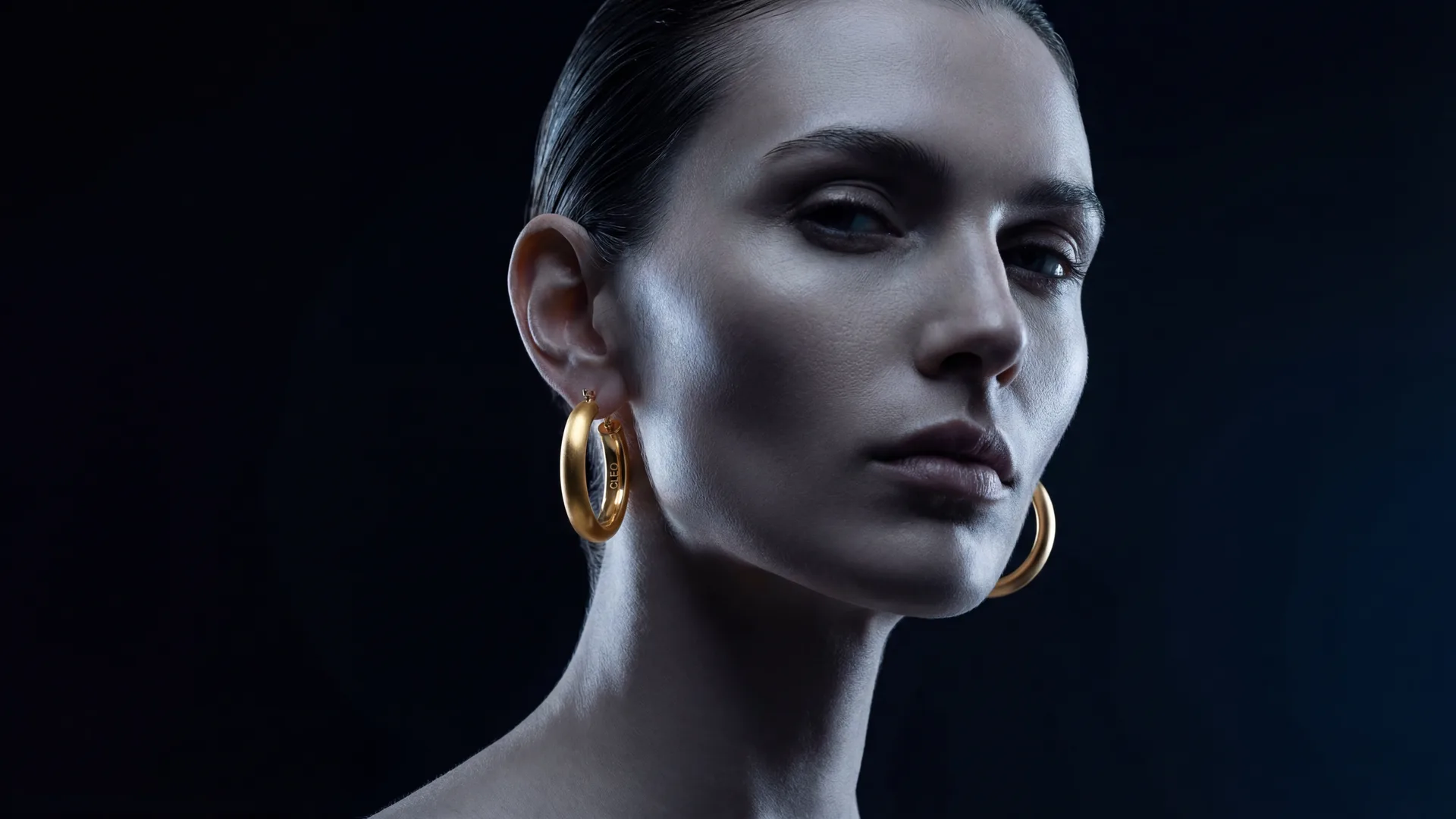
Why Professional Product Photos are Non-Negotiable for Jewelry Sellers
In the dazzling world of jewelry, where every piece tells a story and every sparkle catches the eye, your product photography isn't just a visual aid—it's your most potent sales tool. Unlike many other e-commerce categories, jewelry is an item of luxury, sentiment, and often, significant investment. Buyers aren't just looking for an item; they're looking for an experience, a statement, a cherished memory in the making.
High-quality jewelry product photography builds trust and communicates value. Blurry, poorly lit, or inconsistent images erode buyer confidence, making your exquisite pieces look cheap or unappealing. On the other hand, professional, captivating photos that highlight the craftsmanship, material quality, and intricate details can elevate perceived value, justify pricing, and ultimately, drive sales. In a crowded online marketplace, stunning visuals are what make your unique pieces stand out from the competition, drawing customers in and compelling them to make a purchase.
Moreover, lifestyle images—where jewelry is worn by models or placed in appealing settings—help customers envision themselves wearing the piece. This emotional connection is crucial for jewelry, transforming a static object into a desirable personal accessory. Without it, you're not just selling a product; you're selling a dream, and that dream needs to be beautifully visualized.
Overcoming the Unique Challenges of Jewelry Photography
Photographing jewelry is notoriously difficult, presenting a unique set of hurdles that can frustrate even seasoned photographers. These challenges often lead to inconsistent results, high costs, and a significant time investment for sellers trying to capture their pieces accurately and attractively.
The Reflective Nature of Metals and Gemstones
Jewelry, by its very nature, is designed to reflect light and sparkle. While beautiful in person, this property becomes a significant challenge under photographic lighting. Highly polished metals act like mirrors, reflecting everything in their environment—including the camera, lights, and photographer. Gemstones, with their facets and refractive properties, can create unpredictable glares or hide their true brilliance if not lit precisely. Managing these reflections requires meticulous lighting setups, diffusers, and often, extensive post-processing.
Capturing Intricate Details and Scale Accurately
Jewelry often features tiny, delicate details—engravings, filigree, pave settings, or micro-beads. Capturing these with clarity and sharpness is essential for showcasing craftsmanship. This demands specialized macro lenses, precise focusing, and a deep understanding of depth of field. Furthermore, communicating the true scale of a piece can be tricky. A necklace might look substantial in a close-up but appear tiny when worn, leading to buyer disappointment. Photos need to accurately convey size without distorting details.
Achieving True Color and Texture Representation
From the warm glow of rose gold to the cool sheen of platinum, the vibrant hues of sapphires, rubies, and emeralds, or the unique iridescence of opals—jewelry colors are incredibly diverse and precise. Photography must capture these colors accurately, without color shifts or distortions caused by lighting or camera settings. The texture of metals, whether brushed, hammered, or polished, also needs to come through clearly to convey material quality and design intent.
Managing Shadows and Highlights for Dimension
While reflections can be problematic, controlled shadows and highlights are vital for giving jewelry dimension and making it 'pop.' Without proper contrast, a piece can look flat and lifeless. The goal is to create a dynamic range that showcases the contours and facets without losing detail in either the brightest or darkest areas. This balance is particularly hard to achieve with highly reflective surfaces.
Achieving Visual Consistency Across a Catalog
For sellers with extensive collections, maintaining a consistent look and feel across all product photos is a monumental task. Lighting, background, styling, and post-processing must be uniform for every single item. Inconsistencies can make a brand appear unprofessional and disorganized, detracting from the overall shopping experience. Traditional photography makes this highly repetitive and time-consuming.
How AI-Powered Photography Solves These Jewelry-Specific Challenges
Enter AI-powered product photography, a revolutionary solution that directly addresses the intricate demands of jewelry product photography. By leveraging advanced algorithms, AI platforms can bypass many of the manual complexities, making professional-grade visuals accessible and efficient for every seller.
Intelligent Reflection and Glare Management
AI tools are trained on vast datasets of images, enabling them to intelligently identify and mitigate unwanted reflections and glare. Instead of painstakingly repositioning lights or digitally removing reflections in post-production, AI can generate images where reflections are either absent or artistically controlled to enhance the piece, making metals gleam naturally without distracting hotspots. This means perfect, clean shots of polished gold, silver, and gemstones, every single time.
Hyper-Realistic Detail and Scale Rendering
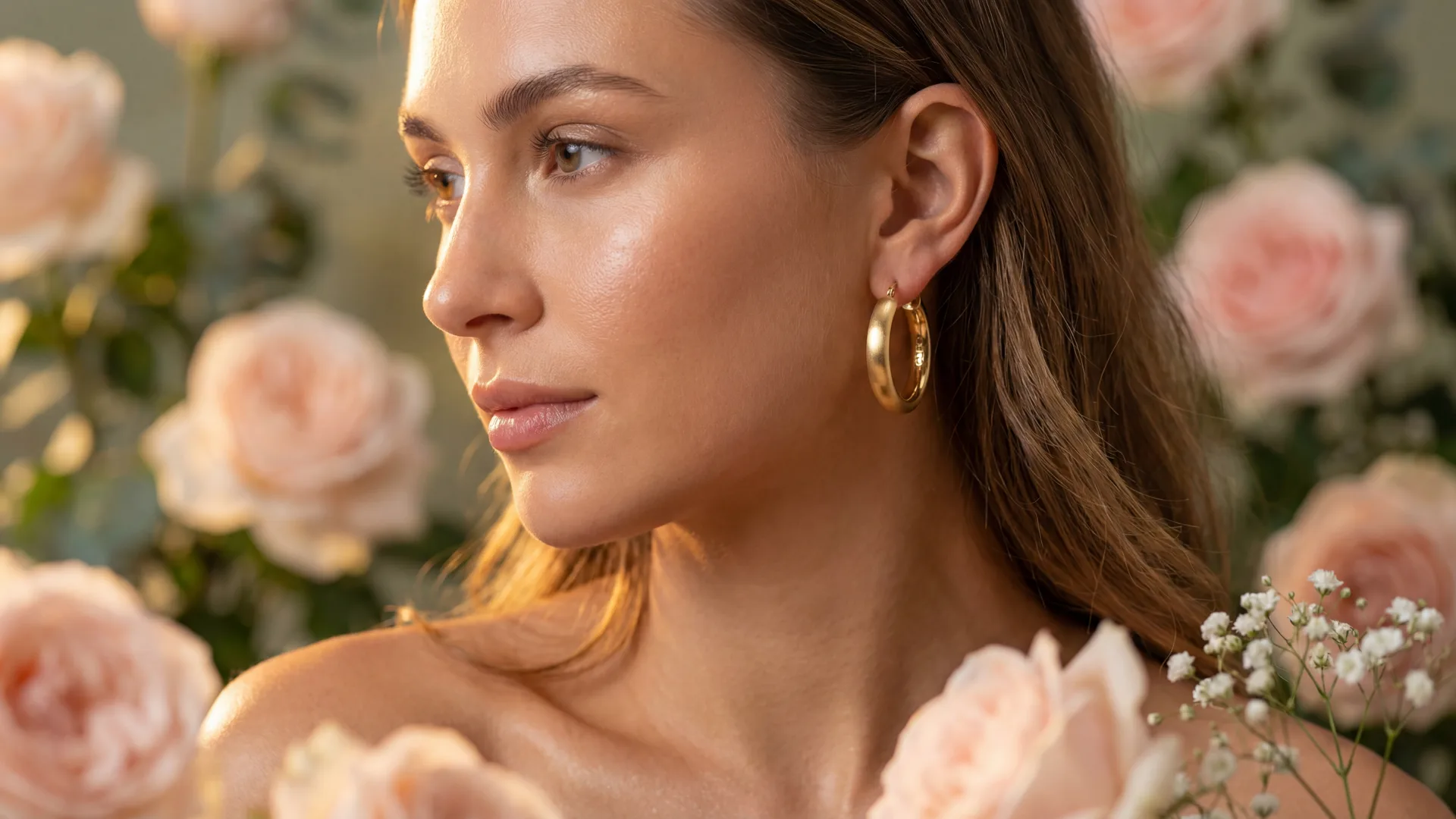
AI's ability to create highly detailed images from even a basic source photo is transformative. It can enhance the sharpness of intricate engravings, clarify delicate settings, and render textures with incredible fidelity. Furthermore, by generating lifestyle scenes, AI allows for the natural inclusion of scale references—whether it's a ring on a hand or earrings adorning an ear—without the need for actual models or complex setups. This ensures customers truly understand the size and fit of your pieces, reducing returns.
Precise Color and Material Accuracy
AI platforms can maintain exceptional color accuracy, ensuring that the rich blue of a sapphire or the warm glow of a rose gold pendant is depicted faithfully. They can learn from your existing brand colors and apply them consistently, correcting any color shifts caused by original capture conditions. The texture of various metals and the unique characteristics of different gemstones are also rendered with unparalleled realism, giving buyers a true sense of the item's physical qualities.
Dynamic Lighting and Dimensionality
Through AI, you can virtually manipulate light sources and environments. This means generating photos with perfectly balanced shadows and highlights that accentuate the facets of a diamond or the curvature of a bracelet, giving each piece a vibrant, three-dimensional presence. The control over virtual lighting is far more precise and consistent than what's achievable in a physical studio, allowing for optimal visual impact.
Streamlined Workflow for Lifestyle Images
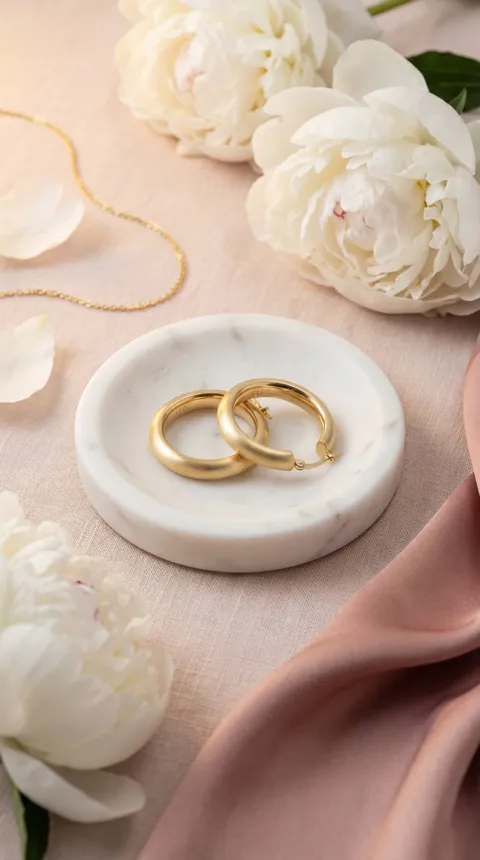
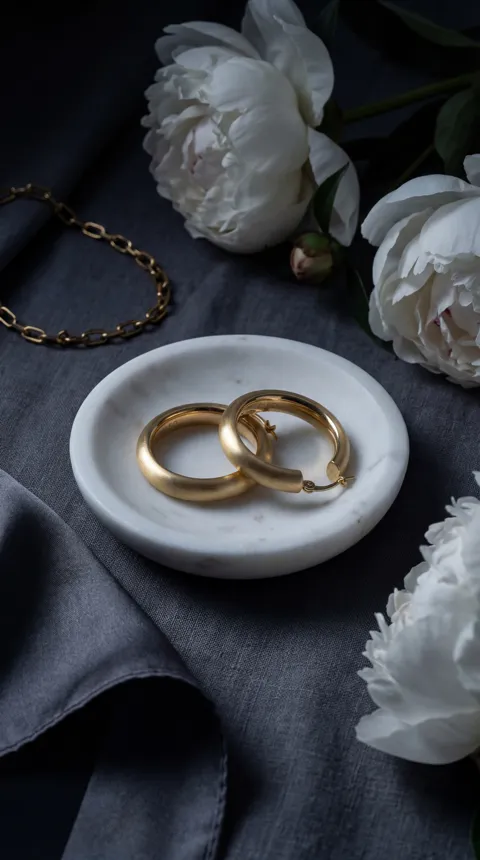
Imagine taking a simple product shot of a pair of earrings and, within moments, seeing them beautifully integrated into a chic urban cafe scene, a sophisticated evening event, or a tranquil garden setting. AI jewelry photos enable this without the expense and logistical nightmares of traditional photoshoots. Platforms like Photone AI's URL-to-photo pipeline allow you to paste a product URL and generate diverse lifestyle images in seconds, dramatically speeding up content creation and reducing costs.
Tips for Preparing Your Jewelry Products for Photography
While AI handles much of the heavy lifting, a little preparation on your end can significantly enhance the final output. Think of it as giving the AI the best possible canvas to work with.
Meticulous Cleaning is Key
Jewelry is a magnet for fingerprints, dust, and smudges. Before capturing your source images (even if they're just quick snaps for AI processing), meticulously clean each piece. Use a lint-free cloth, specialized jewelry cleaner, or an ultrasonic cleaner if appropriate for the material. Even the tiniest imperfection can be magnified in a close-up shot, and while AI can clean things up, starting with a pristine product yields the best results.
Inspect for Damage or Imperfections
Check for any scratches, loose stones, or manufacturing flaws. While AI can work wonders, it's not a magic wand for repairing physical damage. Presenting a flawless product ensures the AI generates an equally flawless image, reflecting the quality of your craftsmanship.
Consider Simple, Well-Lit Source Images
Even if you're using an AI platform that transforms basic shots, providing a clear, well-lit initial product image will help the AI perform better. A plain white or neutral background can simplify the AI's task of isolating the product. Ensure the item is in focus and well-exposed, capturing its true form without harsh shadows or overblown highlights.
Grouping and Styling for AI Generation
If you plan to showcase sets or create specific compositions, arrange your jewelry thoughtfully in your source image. For instance, if you want a necklace and earring set shown together, photograph them together clearly. This gives the AI a better understanding of the intended arrangement and relationship between items before it generates lifestyle scenes.
Platform-Specific Requirements for Listing Jewelry Products
Understanding the image requirements of major e-commerce platforms is crucial for ensuring your jewelry lifestyle images are approved and displayed optimally. While specifics can vary, here's a general overview for common marketplaces:
Shopify
- Image Dimensions: Shopify recommends using images that are at least 2048 x 2048 pixels for a square product image. The maximum resolution is 4472 x 4472 pixels. High-resolution images allow for zoom functionality, which is critical for showing jewelry details.
- File Type: JPEG, Progressive JPEG, PNG, GIF, HEIC, and WebP. JPEG is generally preferred for its balance of quality and file size.
- Background: Often recommend a clean, white background for primary product shots, but allow lifestyle images for secondary photos....
Platform Requirements
| Platform | Requirements |
|---|---|
| Shopify | Recommended 2048x2048 pixels for square images; high resolution for zoom; main image can be lifestyle. |
| Etsy | Minimum 1000 pixels on shortest side; up to 10 photos per listing; diverse photos including close-ups and lifestyle. |
| Amazon | Minimum 1000 pixels on longest side for zoom; main image must have pure white background (RGB 255,255,255) and no text/graphics. |
Frequently Asked Questions
How does AI ensure color accuracy for gemstones and metals?+
AI models are trained on vast datasets of real-world images and can learn to identify and correct color shifts that occur during initial capture. They can apply precise color profiles to ensure the true hue of gemstones and the exact tone of metals (like yellow gold vs. rose gold) are represented faithfully, even across different lighting conditions in generated scenes.
Can AI-generated jewelry photos look natural and not 'fake'?+
Absolutely. Modern AI-powered photography uses sophisticated rendering techniques that integrate the product seamlessly into realistic lifestyle scenes. By understanding light, shadow, texture, and perspective, AI can create images that are virtually indistinguishable from traditionally shot photos, often with greater consistency and control over environmental elements.
Do I still need to take my own product photos if I use AI?+
Yes, you'll still need a clear, well-lit source image of your jewelry piece. This initial photo provides the AI with the core product information it needs to generate new scenes and styles. However, this source photo can be a simple, clean shot, eliminating the need for complex studio setups or professional photographers for every single piece.
Is AI photography cost-effective for small jewelry businesses?+
Definitely. AI photography significantly reduces the costs associated with traditional photoshoots, including models, stylists, studio rentals, and extensive post-production. With flexible pricing tiers, including free options and affordable subscriptions, platforms like Photone AI make professional-quality visuals accessible to even the smallest jewelry businesses.
How does AI handle intricate details like engravings or tiny pave settings?+
AI excels at detail enhancement. By learning from high-resolution imagery, it can extrapolate and sharpen intricate details from your source image, making sure fine engravings, delicate filigree, and tiny pave-set diamonds are clearly visible and sparkling, even in lifestyle contexts where a traditional shot might lose some of that clarity.
Can I use AI to create consistent photos across my entire jewelry collection?+
Yes, consistency is one of the major benefits. Platforms like Photone AI offer 'Reusable Styles' or templates that define specific lighting, mood, and composition. Once you choose or create a style that matches your brand, you can apply it to all your product images, ensuring a uniform and professional look across your entire catalog without manual effort.
What kind of backgrounds and scenes can AI generate for jewelry?+
AI can generate an almost limitless variety of backgrounds and scenes. This includes minimalist studio setups, elegant lifestyle environments (e.g., a hand wearing a ring in a cafe, earrings at an evening event), seasonal themes, and even abstract artistic backdrops. You have the flexibility to choose scenes that best complement your jewelry and brand aesthetic.