Elevating Artisan Craft: A Comprehensive Guide to AI Product Photography for Handmade Goods
Discover how AI product photography revolutionizes how handmade goods are presented online, overcoming unique challenges to showcase true craftsmanship.
Why Professional Product Photos Matter for Handmade Goods Sellers
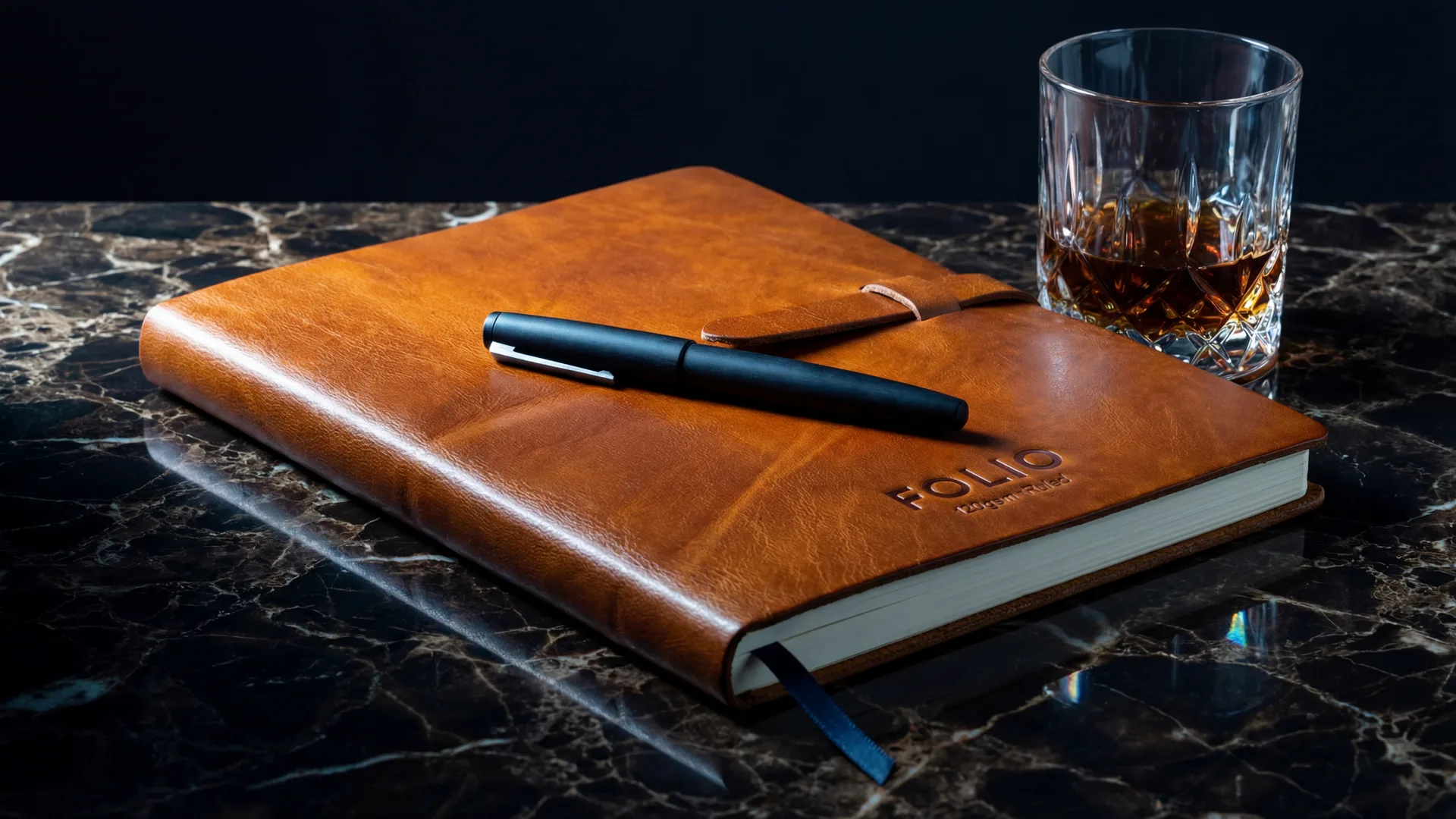
For artisans and crafters, your handmade goods are more than just products; they are a piece of your passion, skill, and dedication. Each stitch, brushstroke, or carve tells a story, and communicating that story effectively to potential buyers is paramount. In the bustling online marketplace, where countless unique creations compete for attention, professional product photography isn't merely a luxury—it's an absolute necessity.
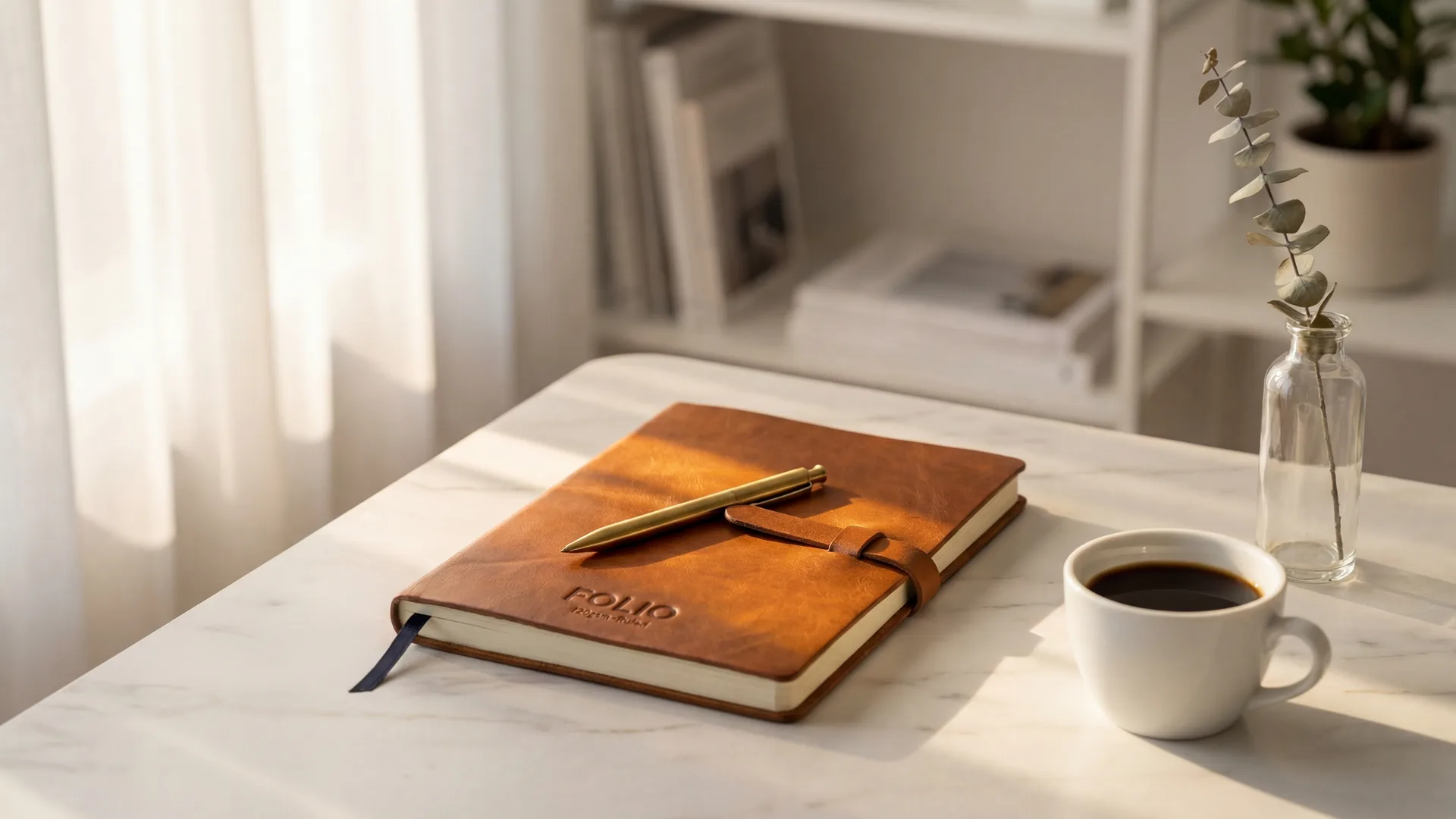
Imagine a potential customer scrolling through a feed, their finger poised to tap. What makes them stop at your item? Often, it's the visual appeal. High-quality images transcend language barriers and immediately convey value, craftsmanship, and the unique character of your handmade piece. Blurry, poorly lit, or inconsistent photos can inadvertently suggest a lack of professionalism or quality, even if the item itself is exceptional. Conversely, crisp, well-composed, and beautifully styled photos build trust, reinforce your brand's credibility, and allow the intrinsic beauty of your craft to shine through, ultimately leading to higher engagement and increased sales. For handmade goods, where authenticity and personal touch are key, the visual narrative is everything.
Common Photography Challenges Specific to Handmade Goods Products
Handmade goods, by their very nature, present a unique set of photography challenges that differ significantly from mass-produced items. Capturing their true essence requires more than just pointing and shooting. Sellers often grapple with:
Capturing Intricate Textures and Details
From the delicate weave of a hand-knitted scarf to the subtle grain of a carved wooden sculpture or the tactile surface of a ceramic piece, texture is a critical element in handmade goods. Traditional photography can struggle to highlight these nuances without harsh shadows or an overly flat appearance, often failing to convey the sensory experience of touching the item.
Ensuring Accurate Color Representation
Hand-dyed textiles, custom-blended paints, or naturally sourced materials often boast unique and vibrant color palettes. Reproducing these colors accurately in a photograph is notoriously difficult. Inaccurate colors can lead to customer dissatisfaction, returns, and damage to your brand's reputation, especially when selling items where color is a primary selling point.
Managing Reflections on Unique Surfaces
Many handmade items, especially jewelry, polished wood, glazed pottery, or resin art, can be highly reflective. Controlling glare, hot spots, and unwanted reflections requires sophisticated lighting setups and advanced techniques that are often beyond the reach (or budget) of independent artisans.
Conveying Scale and Proportion
Whether it's a tiny, intricate piece of jewelry or a large, sculptural furniture item, helping customers understand the true size of a handmade product can be challenging. A simple white background shot might lack context, leaving buyers guessing about its real dimensions or how it would look in a real-world setting.
Staging Irregular or Unique Shapes
Unlike standardized manufactured goods, handmade items often feature organic, asymmetrical, or highly unique shapes. Staging these pieces consistently and attractively, ensuring they look balanced and appealing from various angles, can be a time-consuming and often frustrating endeavor.
Achieving Consistent Lighting and Mood
Maintaining a consistent visual style across an entire catalog of diverse handmade items is a significant hurdle. Lighting, background, and overall mood need to be uniform to create a cohesive brand identity, but achieving this with natural light or limited studio equipment is nearly impossible without professional help.
How AI-Powered Photography Solves These Challenges
AI-powered photography platforms are revolutionizing how handmade goods sellers approach their visual marketing, directly addressing the pain points mentioned above with innovative solutions.
Virtual Environments for Perfect Staging
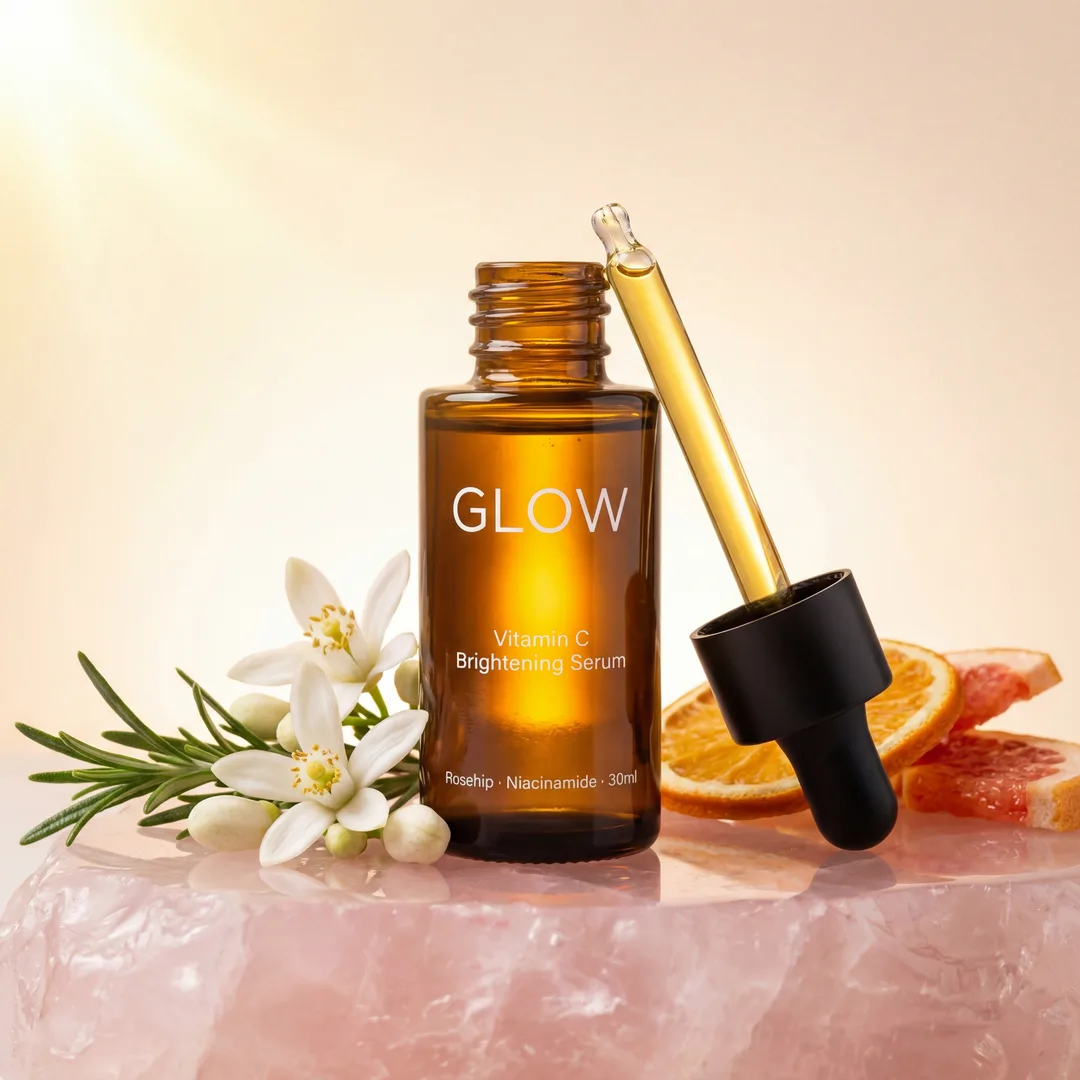
AI can generate an infinite array of virtual scenes and backdrops, perfectly tailored to your product. This eliminates the need for physical props, expensive studio space, or complex lighting setups. Imagine showcasing your hand-thrown pottery on a rustic kitchen counter or your unique jewelry gleaming on a velvet cushion—all without lifting a finger (or buying the counter).
Enhanced Texture and Detail Capture
Advanced AI algorithms can analyze your base product image and intelligently enhance textures, bringing out the intricate details of your craft without distortion. It can simulate various lighting conditions to emphasize weave, grain, or carved patterns, making the product almost tangible for the online viewer. This allows the unique character of your handmade item to shine through, making it truly stand out.
Superior Reflection and Glare Control
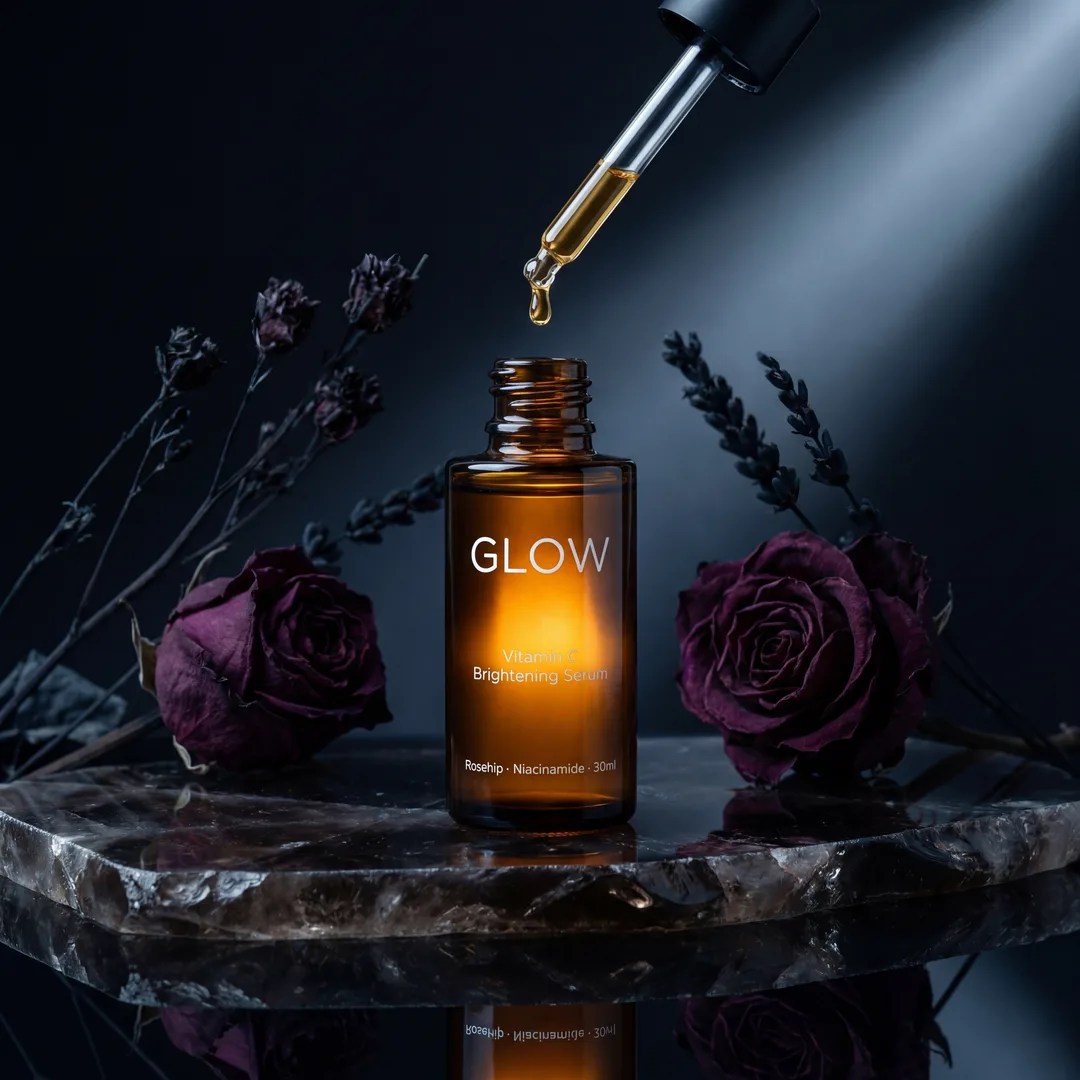
One of AI's most powerful capabilities is its ability to manipulate light and shadow virtually. It can precisely control reflections on shiny surfaces, eliminate unwanted glare, and ensure that highly reflective items are presented clearly and attractively, showcasing their true beauty rather than distracting hot spots. This means your glazed ceramics or polished metal pieces will always look their best.
Accurate Color Correction and Consistency
AI tools can perform sophisticated color analysis and correction, ensuring that the colors in your product photos are true-to-life and consistent across your entire product line. This minimizes the risk of color discrepancies and helps build customer confidence, reducing returns and increasing satisfaction.
Realistic Scale and Contextual Placement
By placing your handmade item within a dynamically generated lifestyle scene, AI effortlessly conveys scale and context. A small leather wallet can be shown alongside a smartphone, or a larger textile piece draped over a virtual armchair, helping customers visualize the product in real-world scenarios. This creates a more immersive shopping experience and answers questions about size before they are even asked.
Unparalleled Visual Consistency
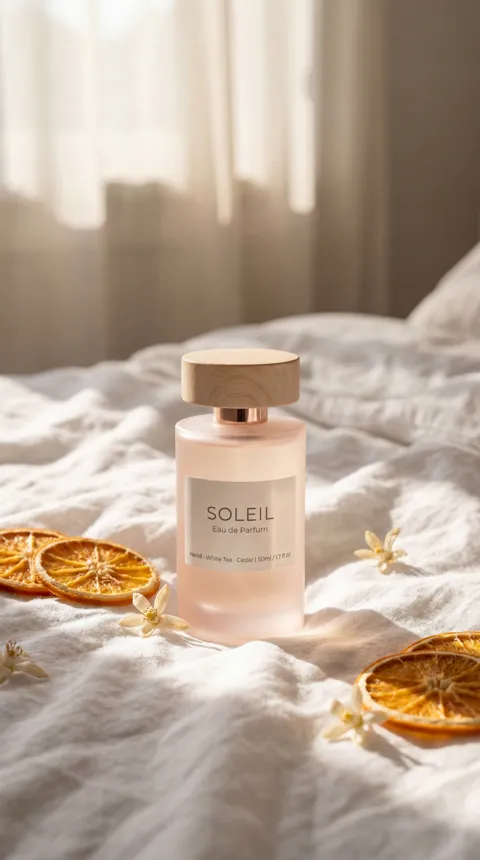
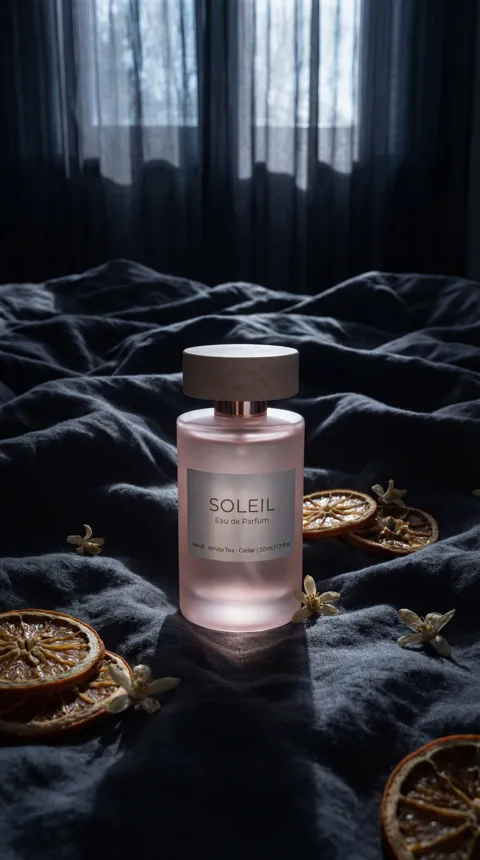
AI platforms allow you to define and reuse specific "Styles" or templates for your photography. This means every product, regardless of its unique shape or material, can be presented with consistent lighting, background, and mood. This consistency is crucial for building a strong, recognizable brand identity and creating a professional, cohesive catalog that feels premium. Photone AI, for instance, offers a 'Reusable Styles' system that empowers sellers to apply predefined aesthetics, ensuring every photo perfectly aligns with their brand's visual identity.
By leveraging AI-powered photography, handmade goods sellers can overcome traditional limitations, present their creations in their best light, and focus more on the craft itself rather than the complexities of professional photo shoots.
Tips for Preparing Handmade Goods Products for Photography
Even with the advanced capabilities of AI, the quality of your input image remains crucial. Think of the AI as a master chef; it needs good ingredients to create a masterpiece. Here’s how to prepare your handmade products for their AI photoshoot:
1. Cleanliness is Key
Dust, fingerprints, lint, and smudges are magnified in high-resolution photos. Before taking your initial product shot, meticulously clean your item. Use lint-free cloths, air blowers, or a soft brush. For jewelry, a gentle polish can make a significant difference. Ensure all packaging materials or tags that aren't meant to be part of the final image are removed.
2. Inspect for Imperfections
Handmade items sometimes have minor irregularities, which are part of their charm. However, distinguish between charming imperfections and fixable flaws. Snip loose threads, smooth out creases, or gently reshape items that may have shifted. The goal is to present your item in its best possible state, highlighting its craftsmanship, not minor distractions.
3. Ensure True-to-Life Presentation
If your item has a natural 'front' or 'best side,' ensure that's what your initial input photo captures. For items with multiple components or ways to display them, consider taking several angles as input. For items sold in sets, ensure all pieces are uniform and ready.
4. Simple Background for Input Images
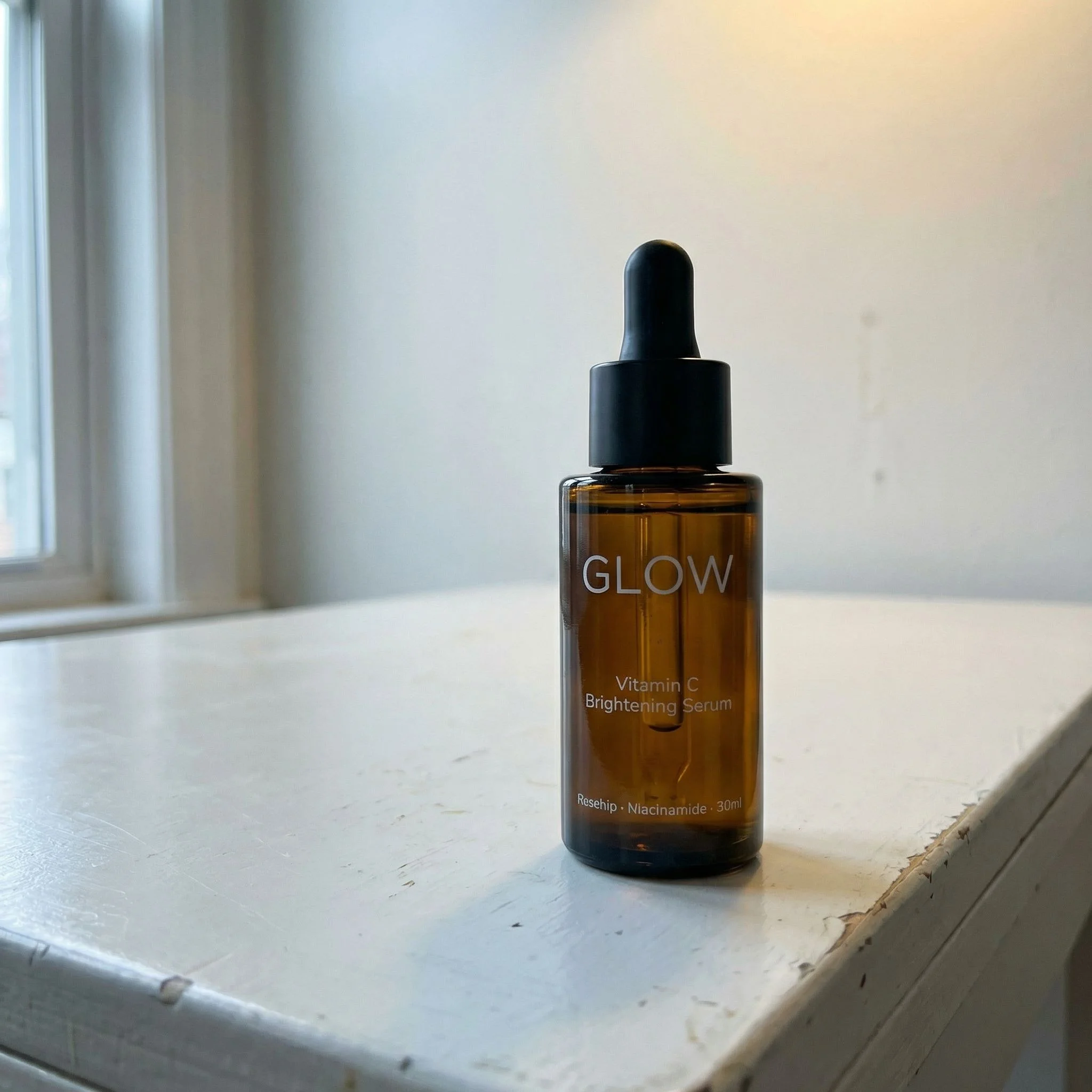
While AI will generate stunning backgrounds, your initial input image should ideally have a plain, neutral background. This helps the AI accurately isolate your product. A white or light gray background with even lighting is perfect. Avoid busy patterns or highly reflective surfaces in your input shot.
5. Consider Lighting for Your Input
While AI handles the final lighting, your input photo should be well-lit to clearly show the product's form and details. Avoid harsh shadows or overexposure. Natural, diffused light (e.g., near a window on a cloudy day) is often ideal if you're not using a lightbox. The clearer and more detailed the input image, the better the AI's output will be.
6. Accurate Representation
Ensure your input photo accurately represents the product's color and texture. If your camera has a 'true color' setting, use it. The AI will build upon the base information you provide, so getting it right from the start is important for consistent and accurate results.
Platform-Specific Requirements for Listing Handmade Goods Products
Understanding the image requirements of various e-commerce platforms is crucial for handmade sellers. While AI helps create stunning visuals, ensuring they meet technical specifications ensures your listings are approved and displayed optimally.
Etsy
- Resolution: Minimum of 2000 pixels on the shortest side, 72 PPI (pixels per inch). Higher resolution is always better for zoom capabilities.
- Aspect Ratio: 4:3 or 5:4 is recommended for ideal display in search results and on product pages.
- File Type: JPG, GIF, or PNG. JPG is generally preferred for product photos due to smaller file sizes.
- Quantity:...
Platform Requirements
| Platform | Requirements |
|---|---|
| Etsy | Min. 2000px shortest side, 72 PPI, 4:3 or 5:4 aspect ratio recommended, max 10 images per listing. |
| Shopify | Up to 4472x4472px (20MB), 2048x2048px recommended for square, high-res for zoom. |
| Amazon Handmade | Min 1000px longest side, pure white background for main image (RGB 255,255,255), product fills 85% frame. |
Frequently Asked Questions
Does AI photography take away the 'handmade' authenticity of my products?+
Not at all. AI photography enhances the presentation of your handmade items without altering their essence. It focuses on creating professional, appealing visuals that accurately showcase your craftsmanship, allowing the unique story and quality of your product to shine through more effectively to a wider audience. The goal is to highlight, not hide, the handmade nature.
How does AI ensure color accuracy, especially with unique dyes or materials?+
Advanced AI platforms employ sophisticated color analysis and correction algorithms. By analyzing your original input photo, AI can intelligently adjust colors to be as true-to-life as possible, compensating for camera biases or lighting discrepancies. Many platforms also offer fine-tuning options, allowing you to make small adjustments to match your product's actual colors perfectly.
Do I still need to take basic product photos myself if I use AI?+
Yes, you'll need to provide a clear, well-lit input photo of your product against a simple background. This initial photo serves as the foundation for the AI to work its magic. The better your input photo, the more stunning and accurate the AI-generated lifestyle images will be. Think of it as providing the AI with the raw, high-quality material it needs to create a masterpiece.
Can AI really capture the intricate textures of my handmade items?+
Absolutely. AI is designed to enhance and emphasize details. By analyzing the visual information in your input photo, AI can intelligently render textures like fabric weaves, wood grain, or pottery surfaces with remarkable clarity. It can even simulate various lighting conditions to highlight these textures, making them almost tangible for online shoppers.
Is AI photography cost-effective for small handmade businesses?+
Yes, it can be incredibly cost-effective. AI eliminates the need for expensive photography equipment, studio rentals, props, and professional photographers. With subscription models, even small businesses can access professional-grade imagery at a fraction of the cost, saving significant time and resources that can be reinvested into their craft.
What if my handmade product has a very unusual or irregular shape?+
AI-powered platforms are particularly adept at handling irregular shapes. Unlike physical staging, where objects might be difficult to position or light, AI can place your product in virtual scenes seamlessly. The AI identifies the product's outline from your input image and integrates it into any chosen lifestyle background, making even the most uniquely shaped items look professionally staged and appealing.
How does Photone AI's 'Reusable Styles' help my brand?+
Photone AI's Reusable Styles allow you to define and save specific templates for mood, lighting, composition, and color palette. This means you can apply a consistent visual aesthetic across your entire product catalog, even for diverse handmade items. This consistency strengthens your brand identity, makes your shop look more professional, and creates a cohesive, premium shopping experience for your customers.