Cultivating Sales: The Definitive Guide to AI Product Photography for Garden & Plants
Unlock stunning garden product photography with AI. This guide covers challenges, AI solutions, preparation tips, and how to create visually consistent plant ph
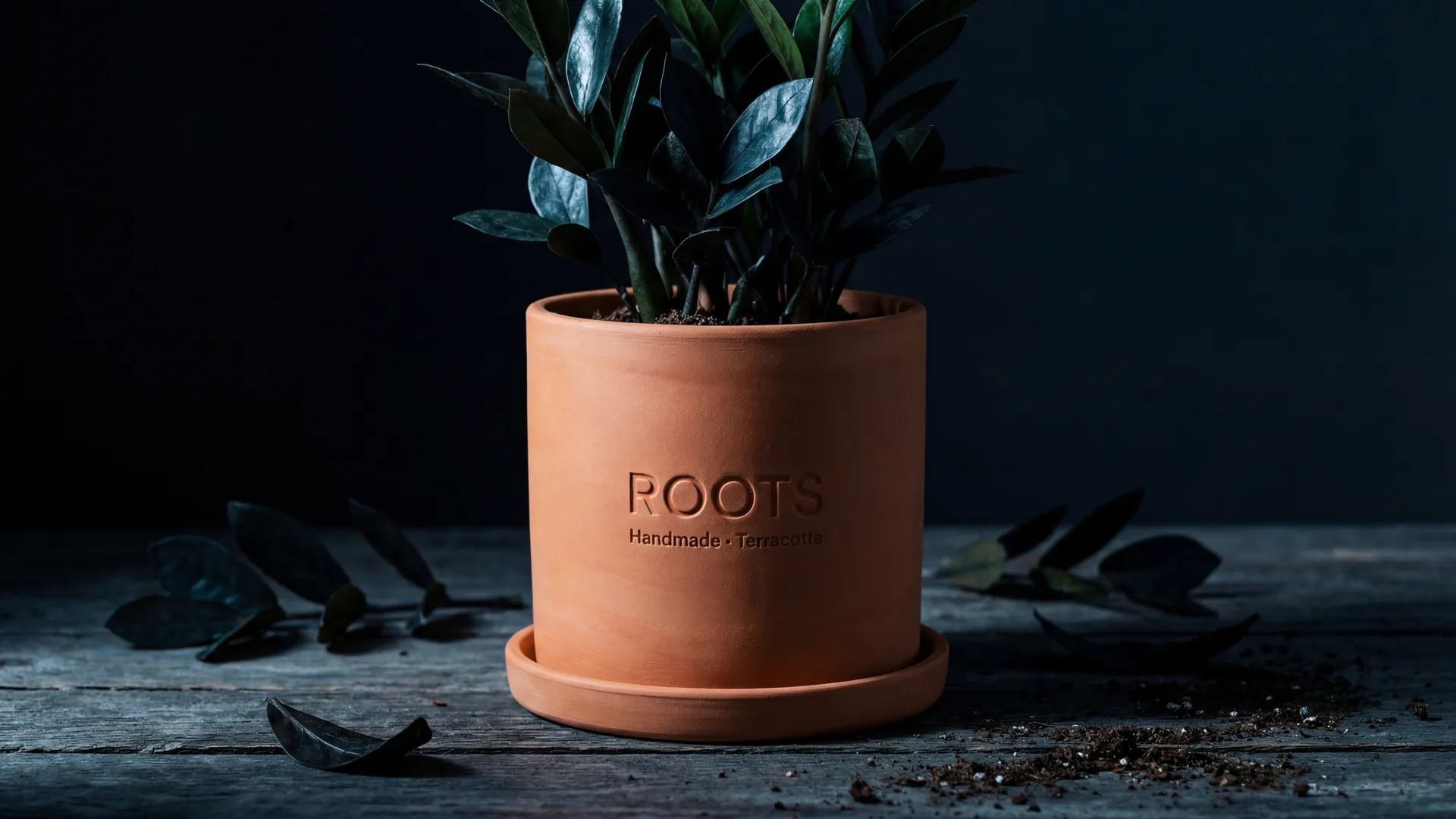
The world of e-commerce has blossomed, and for sellers in the Garden & Plants category, captivating visuals are no longer a luxury—they are a necessity. From vibrant succulents and towering indoor trees to essential gardening tools and stylish planters, every product tells a story. And that story begins with an image.
Traditionally, achieving high-quality product photography for this niche presented a unique set of challenges. But with the advent of AI-powered photography, a new era has dawned, offering a powerful, efficient, and cost-effective way to present your green goods in their best light.
Why Professional Product Photos Matter for Garden & Plants Sellers
In the digital marketplace, your product photos are your storefront, your salesperson, and your brand ambassador all rolled into one. For garden and plant products, this visual connection is even more critical. Shoppers aren't just buying an item; they're buying beauty, potential, and a touch of nature for their homes or gardens.
- Builds Trust and Credibility: High-quality images signal a professional, trustworthy seller. Blurry, poorly lit, or inconsistent photos erode confidence, making customers question the quality of the product itself.
- Conveys Quality and Value: Crisp, detailed photos allow customers to appreciate the intricate textures of a leaf, the craftsmanship of a ceramic pot, or the ergonomic design of a gardening tool. This visual affirmation helps justify your pricing and highlights the value proposition.
- Attracts and Engages Buyers: Stunning lifestyle shots inspire imagination. A plant artfully placed in a living room helps a buyer envision it in their own space. A tool shown in use simplifies its function and showcases its benefits.
- Differentiates in a Crowded Market: The garden and plant market is thriving, meaning competition is fierce. Unique, professional imagery helps your products stand out from generic listings, capturing attention and encouraging clicks.
- Manages Expectations: Accurate and visually appealing photos reduce returns by ensuring customers have a clear understanding of what they are purchasing, from color and size to overall aesthetic.
Common Photography Challenges for Garden & Plants Products
While immensely rewarding, photographing garden and plant products comes with its own thorny issues that often confound even experienced photographers.
Reflections and Glare
Many garden products feature reflective surfaces: shiny ceramic pots, polished metal tools, plastic packaging, or even the glossy leaves of certain plants. Capturing these without distracting hot spots or unwanted reflections requires careful lighting control, often involving specialized equipment like diffusers and light tents, which can be complex and time-consuming to set up.
Capturing Scale and Proportion
Conveying the true size of a plant or garden accessory can be surprisingly difficult in a two-dimensional image. A small succulent might appear larger than it is, while a large planter could look overwhelming without context. Without proper scale references, customers struggle to visualize how the product will fit into their own environment, leading to uncertainty and potential disappointment.
Emphasizing Texture and Detail
The beauty of nature lies in its intricate details: the delicate veins of a leaf, the rough bark of a bonsai, the subtle variegation of a succulent, or the earthy texture of a terracotta pot. Capturing these fine textures and nuances with clarity and depth requires sharp focus, appropriate lighting, and often macro photography techniques, which are technically demanding.
Achieving Accurate Color Representation
Colors are vital for garden products, especially for plants and flowers. Greens can shift, flower hues can look washed out or overly saturated depending on the lighting conditions and camera settings. Ensuring true-to-life color accuracy and consistency across an entire product catalog is a significant challenge, yet crucial for managing customer expectations and brand integrity.
Lighting and Natural Elements
Whether shooting outdoors or indoors, natural elements present challenges. Outdoor shoots are at the mercy of weather, harsh sunlight creating deep shadows, or inconsistent overcast days. Indoor setups require artificial lighting that mimics natural light without making plants look artificial or unhealthy. Maintaining a consistent look across different shoots and seasons is nearly impossible without a controlled studio environment.
How AI-Powered Photography Solves These Challenges
Artificial Intelligence is revolutionizing product photography by providing innovative solutions to these long-standing hurdles, making professional-grade visuals accessible to all sellers, regardless of budget or technical skill.
Virtual Environments and Lighting Control
AI platforms can virtually place your products into any desired setting. This means no more worrying about reflections or glare. AI can generate perfect virtual studios, outdoor garden scenes, or elegant interior backdrops, complete with ideal lighting that illuminates your product without creating harsh shadows or unwanted reflections. The software intelligently renders light sources, ensuring a polished, professional look every time.
Intelligent Cropping and Perspective
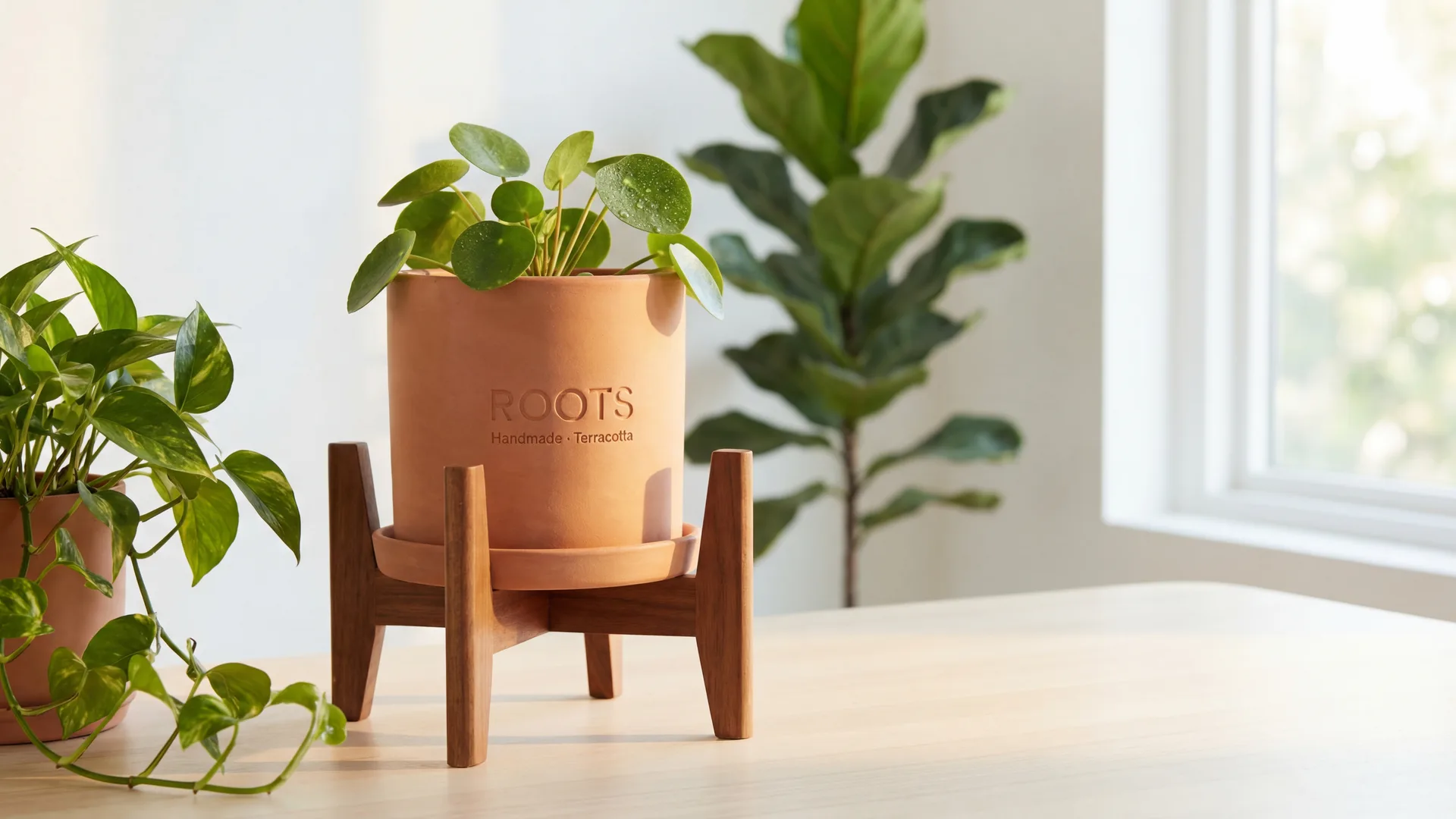
AI excels at creating dynamic and informative compositions. It can generate multiple angles and perspectives, effectively showcasing the scale and proportion of your garden products. By integrating your plant or tool into lifestyle scenes – perhaps with a hand holding a trowel, a watering can next to a window, or a planter on a table – AI provides crucial visual context that helps customers accurately gauge size and envision use.
Texture Enhancement and Material Definition
Leveraging advanced algorithms, AI can enhance and bring out the natural textures and material definitions of your products. It can accentuate the delicate veining of a fern, the rustic feel of a ceramic pot, or the smooth finish of a watering can, making these details pop without looking artificial. This level of detail conveys a sense of quality and craftsmanship, which is essential for garden and plant items.
Color Calibration and Consistency
AI platforms are masters of color accuracy. They can analyze your source images and apply intelligent color corrections, ensuring that the greens of your plants are vibrant and true to life, and the colors of your flowers or tools are consistently represented across all your listings. This eliminates the headache of manual color correction and guarantees brand consistency, which is vital for building trust and managing customer expectations.
Preparing Your Garden & Plants Products for AI Photography
Even with the power of AI, the quality of your input image directly influences the output. Think of the AI as a master chef; it can create incredible dishes, but it still needs good ingredients.
Cleaning and Pruning
Before taking your initial product photo, ensure your plants are in their prime condition. Remove any dead leaves, dust, soil smudges, or water spots from foliage, pots, and tools. A clean, well-maintained product ensures the AI has the best possible foundation to build upon, leading to a more polished final image.
Ensuring Product Stability
Make sure your plant is standing upright and stable, or your tool is positioned exactly how you want it. Use subtle supports if necessary (which the AI can easily remove). A wobbly plant or oddly angled tool will make it harder for the AI to accurately render the product in various lifestyle scenes.
High-Quality Source Images
While AI doesn't demand a professional photo studio, it thrives on clear, well-lit, and straightforward source images. Take your initial photo against a neutral, uncluttered background—a plain wall or even a sheet can work. Ensure even lighting with minimal harsh shadows. If possible, take a few angles. Platforms like Photone AI simplify this significantly with their URL-to-photo pipeline; often, just pasting a product URL from your existing listing is enough to provide the AI with the necessary input.
Platform-Specific Image Requirements for Garden & Plants Products
Understanding the specific requirements of major e-commerce platforms is crucial for successful listing and maximum visibility.
Amazon
For your main product image, Amazon typically requires a pure white background (RGB 255, 255, 255). The image should be at least 1000 pixels on the longest side to enable the zoom feature, and the product itself should fill at least 85% of the frame. Secondary images allow for lifestyle shots, showing the product in use or context, which is where AI excels at creating diverse scenarios.
Etsy
Etsy encourages high-quality, inspiring images. While not as strict on white backgrounds for main images as Amazon, they recommend high-resolution photos, ideally at least 2000 pixels on the shortest side, to ensure clarity and allow for customer zoom. Lifestyle and context shots are highly valued, helping buyers visualize handmade or unique garden items in their homes or gardens.
Shopify
Shopify recommends image dimensions of 2048 x 2048 pixels for square photos to ensure optimal display across various devices and to support its zoom functionality. Clarity and consistency across all product images are key. Shopify stores benefit immensely from cohesive visual branding, which AI can easily help achieve.
Maintaining Visual Consistency with AI Styles
One of the most powerful features of AI product photography, especially for a diverse catalog like Garden & Plants, is the ability to maintain unwavering visual consistency.
The Power of Reusable Styles
Imagine wanting all your indoor plants to be photographed in a "Cozy Indoor Jungle" setting with soft, warm lighting, or all your gardening tools in a "Rustic Farmhouse" environment under bright, natural light. AI platforms like Photone AI offer "Reusable Styles"—photography templates that encode specific moods, lighting conditions, compositions, and color palettes. You can define a style once ...


Platform Requirements
| Platform | Requirements |
|---|---|
| Amazon: Pure white background for main image, min 1000px longest side, 85% product fill. | |
| Etsy: High-resolution (min 2000px shortest side), encourages lifestyle shots. | |
| Shopify: Recommends 2048x2048px for square images, focus on clarity and consistency. |
Frequently Asked Questions
How does AI handle color accuracy, especially for specific plant species or flower colors?+
AI platforms utilize advanced color calibration techniques. By analyzing your source images and applying intelligent corrections, they ensure that the greens are vibrant, and flower colors are true-to-life, maintaining consistency across all your product photos, which is vital for customer trust.
Do I need professional photography equipment to use AI product photography?+
Not at all. One of the greatest advantages of AI photography is that it minimizes the need for expensive equipment. You typically only need clear, well-lit photos of your product taken with a smartphone or basic camera as input. Platforms like Photone AI can even work directly from a product URL.
How can AI help my small garden nursery compete with larger retailers?+
AI photography democratizes access to high-quality visuals. It allows small businesses to produce professional, engaging lifestyle images quickly and affordably, leveling the playing field and enabling you to showcase your unique products with the same polish as larger competitors.
What kind of backgrounds or scenes can AI create for my garden products?+
AI can generate an almost limitless variety of scenes. For garden products, this could include lush outdoor garden beds, modern minimalist indoor settings, rustic farmhouses, sunny patios, urban balconies, or even fantastical, whimsical environments, all tailored to your brand and product type.
Is it difficult to learn how to use an AI product photography platform?+
Most AI product photography platforms are designed for user-friendliness, with intuitive interfaces. You typically upload your product image or paste a URL, select a style or provide prompts, and the AI generates the photos. Many offer templates and pre-set styles to simplify the process further.
Can AI help me create consistent branding across my entire product catalog?+
Absolutely. Features like "Reusable Styles" and "Brand DNA extraction" in platforms such as Photone AI are specifically designed for this. They allow you to define a consistent visual identity—mood, lighting, color palette—and apply it across all your product images, ensuring a cohesive and professional brand presence.