Mastering Ceramics & Pottery Product Photography with AI
Discover how AI transforms ceramics product photography, tackling challenges like reflections and texture to create stunning, consistent images that sell.
Why Professional Product Photos Matter for Ceramics & Pottery Sellers
The art of ceramics and pottery is a timeless craft, blending tradition with personal expression. Each piece, whether a hand-thrown mug, a unique vase, or an intricately sculpted figurine, tells a story. For the modern artisan and small business owner, conveying this story and the inherent value of their creations to a global audience relies heavily on one crucial element: professional product photography. In the competitive online marketplace, a high-quality image isn't just an accessory; it's the primary touchpoint that captivates potential buyers.
Professional ceramics product photography builds immediate trust and credibility. When customers can clearly see the glazes, the textures, the unique imperfections that make a handmade item special, they are more likely to perceive a higher value in your work. Blurry, poorly lit, or inconsistent images, conversely, can diminish perceived quality, even for the most exquisite pieces. They fail to communicate the craftsmanship, the tactile experience, and the aesthetic appeal that makes ceramics so desirable. Moreover, in a sea of beautiful pottery, standout imagery is your key to cutting through the noise, attracting attention, and converting browsers into loyal customers.
Common Photography Challenges Specific to Ceramics & Pottery Products
While the beauty of ceramics is undeniable, photographing them effectively comes with a unique set of hurdles that can frustrate even experienced photographers. These challenges often stem from the very characteristics that make pottery so appealing:
Reflections and Glare on Glazed Surfaces
Many ceramic pieces feature glossy glazes that, while beautiful in person, become a photographer's nightmare under typical lighting. These reflective surfaces pick up every stray light source, creating harsh glares, hotspots, and reflections of the environment, obscuring the true color and form of the piece. Achieving soft, even lighting that showcases the glaze without distracting reflections requires meticulous setup and often specialized equipment.
Capturing Texture and Detail
From the rough, tactile feel of unglazed stoneware to the subtle brushstrokes of hand-painted designs or the intricate carvings on a sculpted form, texture and detail are paramount in ceramics. Capturing these nuances in a two-dimensional photograph requires precise focus, controlled lighting that enhances rather than flattens contours, and often close-up shots that convey the artisan's touch. Losing these details means losing a significant part of the product's story and appeal.
Ensuring Color Accuracy
Ceramic glazes, especially reactive or crystalline types, can shift dramatically in appearance under different lighting conditions. Accurately representing the true color palette of your pottery is essential to manage customer expectations and prevent returns. What looks vibrant blue under studio lights might appear muted grey in a poorly color-balanced photograph, leading to disappointment when the product arrives. Color accuracy ensures the buyer sees what they get.
Conveying Scale and Dimension
Pottery comes in all shapes and sizes, from dainty espresso cups to large floor vases. Without proper context or comparison, it can be incredibly difficult for online shoppers to grasp the true scale and dimension of a piece. Generic white background shots, while clean, often fail to provide this critical spatial understanding, leaving customers guessing and potentially leading to mismatched expectations.
Unique and Irregular Shapes
Unlike mass-produced items with uniform dimensions, handmade ceramics often feature organic, asymmetrical, or entirely unique forms. These irregular shapes can cast complex shadows, create awkward angles, and be challenging to light evenly, making it difficult to find the perfect perspective that showcases the entire piece aesthetically and accurately.
How AI-Powered Photography Solves These Challenges
This is where innovative AI-powered photography platforms step in, offering powerful solutions to the specific challenges faced by handmade ceramic images sellers. AI fundamentally changes the game by automating complex photography tasks, enabling even those without professional studio experience to generate stunning, high-quality images.
AI's virtual studios can simulate ideal lighting conditions, eliminating harsh reflections and glares on glazed surfaces. By digitally controlling light sources and angles, AI can render the perfect softbox or diffused lighting setup that showcases the sheen of your glazes without obscuring details. Furthermore, AI can intelligently enhance textures, bringing out the fine details of unglazed clay, the delicate patterns of carving, or the subtle variations in a hand-painted motif without over-processing or making the image look artificial. This ensures that the tactile quality of your ceramics is beautifully translated into digital form.
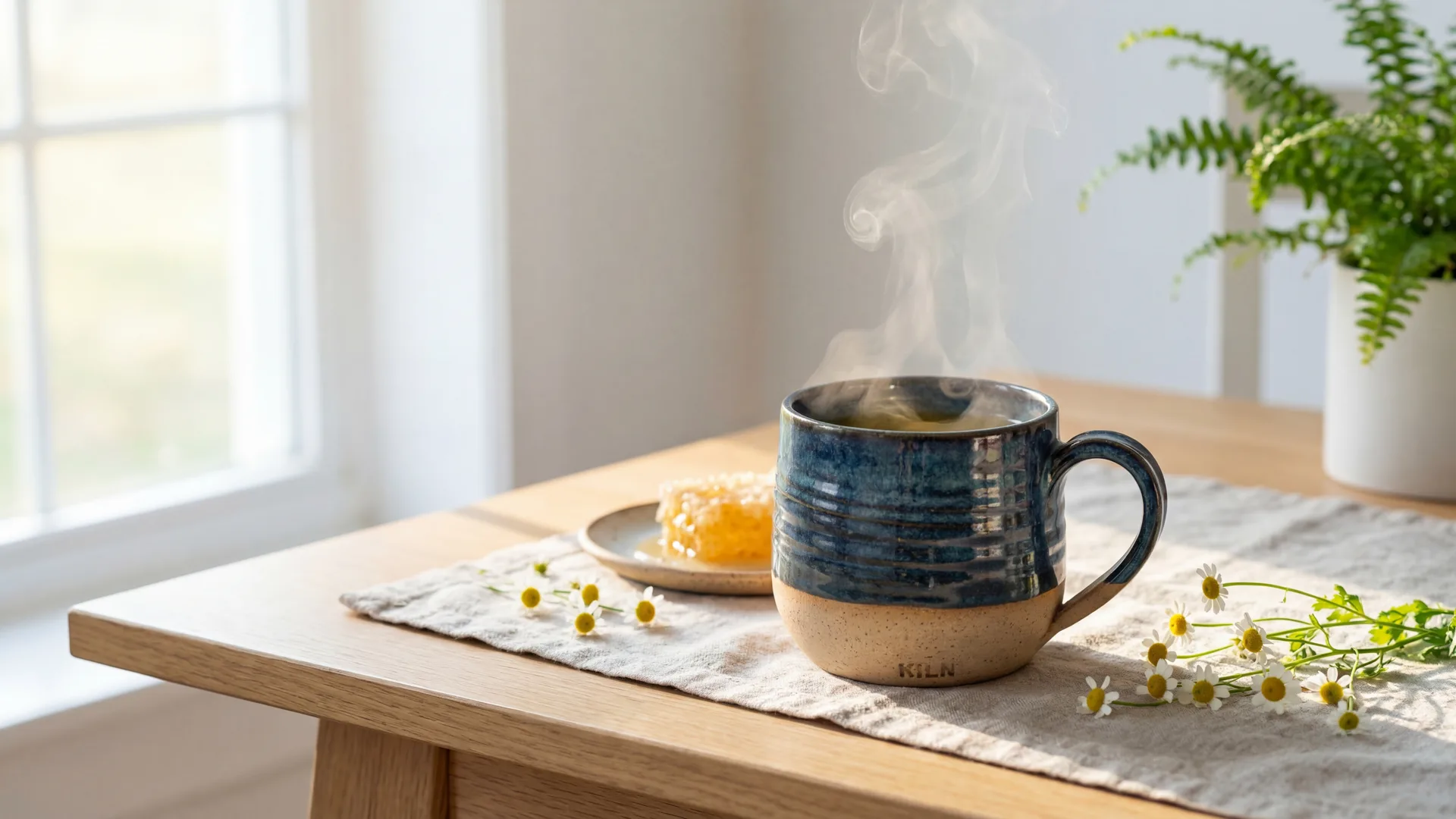
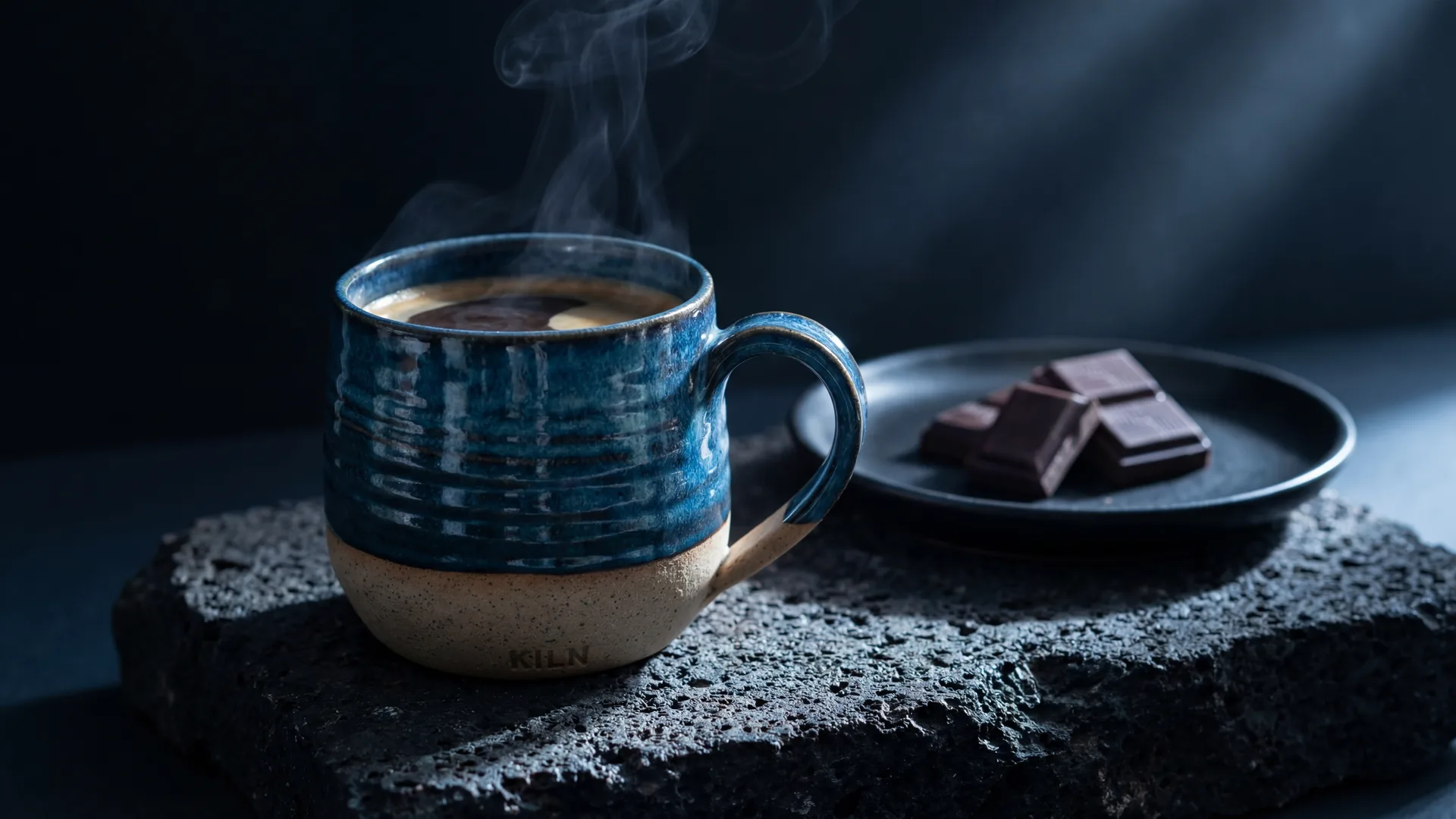
Color accuracy, a critical concern for ceramics, benefits immensely from AI's precision. AI algorithms can analyze and correct color rendition, ensuring that the hues and tones of your glazes are faithfully represented across various digital displays. Beyond correction, AI can generate diverse backgrounds and lifestyle scenes, providing crucial context for scale and dimension. Imagine your unique ceramic mug placed on a rustic wooden table with a steaming cup of coffee, or a vase filled with flowers on a minimalist shelf – all generated virtually. This not only helps customers visualize the size but also how the piece would fit into their own lives, overcoming the challenge of conveying scale.
AI also excels at handling irregular shapes. By generating images from multiple angles in consistent settings, it ensures that every curve, every unique contour, is beautifully lit and presented without awkward shadows or unflattering perspectives. This means you can create a comprehensive visual story for even the most uniquely shaped pottery with ease.
Preparing Your Ceramics & Pottery Products for Photography
Even with the power of AI at your fingertips, a little preparation goes a long way in ensuring your pottery photos AI are as perfect as your creations. Think of it as preparing your canvas before painting; the better the foundation, the more stunning the final artwork.
Cleanliness is Key
Before any photography session, whether traditional or AI-enhanced, ensure your ceramic pieces are impeccably clean. Dust, fingerprints, smudges, or residual clay can be incredibly distracting in a high-resolution image. Use a soft, lint-free cloth, and for glazed items, a gentle glass cleaner can help achieve a streak-free shine. Make sure the piece is completely dry before proceeding.
Inspect for Imperfections (and Embrace Them)
Handmade ceramics often carry the unique marks of their creation process. While major flaws should be addressed, minor, characteristic imperfections like a slight ripple in the glaze or a unique texture from the throwing process can actually enhance the authentic appeal of your piece. Decide which details you want to highlight as part of its handmade charm and which need to be cleaned up or minimized. AI can help focus on the intentional aspects and minimize unintentional blemishes without losing the handmade essence.
Consider Groupings and Context
While AI can generate incredible scenes, thinking about how your pieces might be grouped or presented can inform your image generation choices. Do you want to showcase a set of bowls together? Or perhaps a single statement vase? Understanding the primary focus and potential complementary items will help you choose or create the most effective scenes.
Platform-Specific Requirements for Listing Ceramics & Pottery Products
Different e-commerce platforms have varying image requirements and best practices. Adhering to these guidelines is crucial for visibility and sales, especially for handmade ceramic images.
Etsy
Etsy, a haven for handmade goods, emphasizes showing off craftsmanship and personality. They recommend at least 5 photos per listing, including various angles, a close-up of texture/detail, and a lifestyle shot showing the item in use or context (e.g., a mug with coffee, a vase with flowers). High resolution is key for their zoom function, and square images (e.g., 2000px x 2000px) often perform well.
Shopify
Shopify, an adaptable platform for individual stores, allows for extensive customization. High-resolution images (2048px x 2048px or larger) are standard, enabling customers to zoom in and inspect details. While a clean white background is often a default for main product images, Shopify stores benefit greatly from a mix of product shots and engaging lifestyle photography to showcase brand identity and product versatility. Multiple images per product are highly encouraged.
Amazon
Amazon has strict image guidelines, typically requiring the main product image to have a pure white background (RGB 255, 255, 255) and the product to fill at least 85% of the frame. Additional images can be lifestyle shots, infographics, or detail shots. Images should be at least 1000px on the longest side for zoom functionality. While less focused on the 'handmade' story directly, clear, professional images are essential for trust and conversion.
How Photone AI's Style System Helps Maintain Visual Consistency Across a Ceramics & Pottery Catalog
One of the most powerful advantages of AI-powered product photography, particularly for artisans with diverse collections, is the ability to maintain absolute visual consistency across an entire catalog. This is where Photone AI's 'Reusable Styles' system becomes an invaluable tool for ceramics product photography.
Photone AI's Style system allows you to define and save specific photography templates that encode key visual elements: mood, lighting, composition, and color palette. Imagine you've crafted a unique line of reactive glazed bowls. You want them all to appear in a warm, inviting light, perhaps on a rustic wooden surface with a soft, out-of-fo...