Mastering Art Print Photography: An AI-Powered Guide for Sellers
Transform your art print listings with AI. Discover how artificial intelligence tackles photography challenges like reflections and scale, creating stunning lif
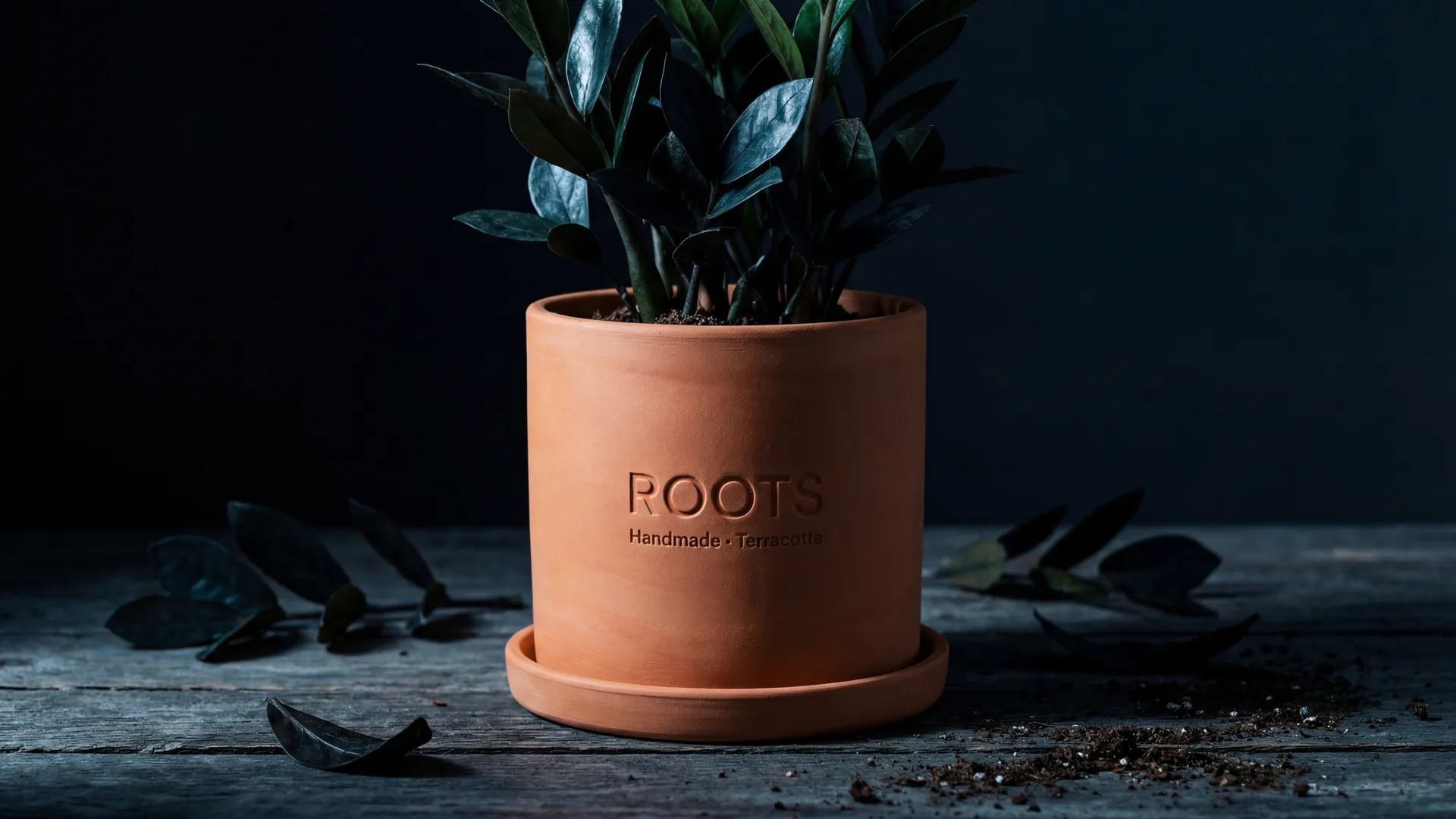
Selling art prints online is a visual business. In a digital marketplace brimming with talent, your art needs to do more than just exist; it needs to captivate, inspire, and resonate. The bridge between your beautiful creation and a potential buyer’s wall is often a single, compelling image. Professional product photography isn't just a nice-to-have; it's an absolute necessity, especially for the intricate and emotive world of art and prints.
This comprehensive guide will explore the unique challenges art print sellers face in product photography and reveal how cutting-edge AI technology is revolutionizing the way artists and creators showcase their work. From battling reflections to illustrating scale, discover how AI-powered solutions can elevate your visual storytelling and boost your sales.
The Power of Professional Art Print Photography
Imagine browsing an online gallery. What draws your eye? What makes you click, zoom in, and envision a piece in your own home? It’s almost always the photography. For art prints, high-quality images are not merely representations; they are extensions of the art itself.
First Impressions and Trust
In the blink of an eye, a potential customer forms an opinion about your art and your brand. Blurry, poorly lit, or uninspired photos convey a lack of professionalism and can erode trust before it even begins. Conversely, crisp, well-composed, and evocative images communicate care, quality, and a commitment to excellence. They suggest that if you invest this much in presenting your work, the work itself must be exceptional.
Showcasing Value and Craftsmanship
Art prints often represent hours of creative effort, skillful execution, and thoughtful design. Yet, without clear visuals, these nuances can be lost. Professional photography allows you to highlight the texture of the paper, the vibrancy of the inks, the precision of the lines, and the overall aesthetic quality. It validates the price point and helps buyers understand the inherent value of your work, transcending a simple flat image into a tangible object.
Standing Out in a Crowded Market
Platforms like Etsy, Shopify, and Amazon Handmade are vibrant ecosystems for art sellers. While this offers incredible reach, it also means immense competition. Unique, eye-catching photography is your secret weapon to differentiate your listings. When every other seller has a similar product, the way you present yours can be the deciding factor for a buyer. It's about telling a story that resonates and invites connection.
Unique Photography Challenges for Art & Prints Sellers
While crucial, photographing art prints presents a distinct set of hurdles that many other product categories don't encounter. Overcoming these requires precision, skill, and often, specialized equipment.
Battling Glare and Reflections
Perhaps the most notorious enemy of art print photography is glare. Whether your prints are unframed, under glass, or in a glossy finish, reflective surfaces can turn a beautiful image into an unreadable mess. Studio lighting, natural light, and even ambient room light can bounce off the surface, obscuring details, washing out colors, and creating distracting hot spots. Achieving an even, reflection-free shot is notoriously difficult and time-consuming, often requiring complex lighting setups or specialized polarizers.
Accurate Color Representation
Colors are the soul of many art pieces. What appears vibrant blue on your screen must appear that way to your customer, and accurately reflect the physical print. Lighting conditions, camera settings, and even monitor calibration can drastically alter how colors are perceived in a photograph. Inaccurate color representation can lead to customer disappointment, returns, and damaged brand reputation. Ensuring true-to-life color fidelity is paramount.
Conveying Texture and Detail
Is your print on archival matte paper with a subtle tooth? Or a luxurious satin finish that shimmers? Does your artwork feature intricate linework, delicate brushstrokes, or subtle textural elements? These details contribute significantly to the perceived quality and experience of the art. Capturing these nuances in a flat photograph without proper lighting and focus can be challenging, often requiring macro shots or specific angles that still may not fully translate the tactile feel.
Illustrating Scale and Context
A common question from online art buyers is, "How big is it really?" Providing clear visual cues about the scale of your prints is essential. A standalone shot on a white background, while clean, tells a customer nothing about how a 16x20 inch print will look above a sofa or on a gallery wall. Creating diverse lifestyle mockups that accurately portray scale within various room settings (living room, bedroom, office) can be time-consuming, expensive, and require access to numerous physical props and locations.
Creating Engaging Lifestyle Scenes
Beyond just showing scale, lifestyle photography helps potential buyers visualize your art in their lives. A print positioned in a beautifully curated room, perhaps with a cozy blanket, a cup of coffee, or a plant, tells a story and evokes an emotional connection. Manually staging such scenes for every single print, or even for a selection, is a monumental task requiring props, styling expertise, and a physical space. Using generic mockups often lacks the unique touch of your brand.
How AI-Powered Photography Revolutionizes Art & Prints
This is where AI-powered product photography steps in, offering a transformative solution to the aforementioned challenges. By leveraging advanced algorithms and machine learning, platforms like Photone AI can generate high-quality, realistic lifestyle images from a simple product photo or even just a URL.
Intelligent Reflection Removal
AI can analyze the reflective properties of your print's surface and digitally remove glare and hot spots, presenting a clean, unobstructed view of the artwork. This means you no longer need complex lighting setups or specialized equipment to capture perfectly even shots. The AI intelligently 'sees through' the reflections to bring out the true image.
Perfect Scale and Perspective
With AI, you can generate endless lifestyle mockups that accurately depict your print's size within various realistic settings. Simply upload your art, and the AI can place it seamlessly into a living room, bedroom, or office scene, adjusting perspective, lighting, and shadows to ensure a perfectly integrated and believable image. This eliminates the need for physical staging or expensive stock photos, providing buyers with clear context.
Highlighting Intricate Details
AI algorithms can enhance and emphasize the subtle textures and fine details of your art prints. By intelligently adjusting lighting and focus within the generated scene, it can make the paper texture, ink vibrancy, and intricate lines pop, conveying the craftsmanship that might be lost in a standard flat shot. This helps buyers appreciate the tactile qualities of your work even before they hold it.
Vibrant, True-to-Life Colors
One of AI's strengths is its ability to maintain color fidelity. When integrating your art into a new scene, the AI works to preserve the original color profile of your print, ensuring that the vibrancy and hue are accurately represented regardless of the generated environment's lighting. This helps reduce discrepancies between what customers see online and what they receive.
Generating Endless Lifestyle Scenarios
This is perhaps one of AI's most powerful contributions to art print photography. Instead of staging a few scenes, AI platforms can generate hundreds of unique, high-quality lifestyle photos tailored to your brand's aesthetic. Want your print in a minimalist Scandinavian home? A bohemian studio? A classic office? AI can create it in seconds from just one source image, dramatically expanding your marketing assets and allowing you to target diverse customer segments. For instance, Photone AI's URL-to-photo pipeline means you can paste a product URL and get lifestyle photos in 60 seconds, drastically speeding up your content creation process.
Preparing Your Art Prints for an AI Photoshoot
While AI handles much of the heavy lifting, the quality of your input image directly impacts the quality of the AI-generated output. Think of the source image as the raw material; the better the material, the better the final product.
Cleanliness is King
Before photographing your print (or scanning it for your source image), ensure it is impeccably clean. Dust, fingerprints, smudges, or minor imperfections will be magnified in high-resolution images and can be difficult for even AI to perfectly remove. Use a microfiber cloth and appropriate cleaning solutions for framed pieces to achieve a pristine surface.
Mounting and Framing Considerations
Decide how you want to present your art prints. Will they be unframed, matted, or framed? If framed, ensure the frame itself is clean and free of scuffs. For unframed prints, consider if you want to show the edges or if it will be cropped. The clearer the initial image of your art, the better the AI can integrate it into various scenes.
High-Quality Source Images
Your AI tool needs a good starting point. This means providing a high-resolution, evenly lit, and color-accurate photograph or digital file of your art print. If you're using a physical print, take a flat lay shot from directly above, ensuring no distortions or shadows. The better the initial capture of your artwork, the more stunning and accurate the AI-generated lifestyle photos will be.
Understanding E-commerce Platform Image Requirements
Different platforms have specific guidelines for product images to ensure optimal display and user experience. Adhering to these is crucial for discoverability and presentation.
Etsy
- Recommended Size: 2000px on the shortest side, with a resolution of 72PPI. Max image size 10MB.
- Orientation: While square is often preferred for feed consistency, Etsy supports landscape and portrait. The first image is crucial...

Platform Requirements
| Platform | Requirements |
|---|---|
| Etsy | Recommended 2000px on shortest side; multiple angles/lifestyle shots encouraged. |
| Shopify | Recommended 2048x2048px square; consistent aspect ratios preferred for shop pages. |
| Amazon Handmade | Minimum 1000px on longest side; main image requires pure white background; product fills 85% of frame. |
Frequently Asked Questions
Can AI truly capture the 'artistic' feel of my prints?+
Yes, advanced AI tools are designed to generate realistic and aesthetically pleasing scenes. By allowing you to select or create specific 'styles' (moods, lighting, compositions), you can guide the AI to match the unique artistic feel and context you envision for your prints, ensuring the generated images resonate with your brand's aesthetic.
How do AI-generated images compare to professional human photography?+
AI-generated images have become incredibly sophisticated, often indistinguishable from traditional photography, especially for lifestyle mockups. While a human photographer offers a bespoke creative eye, AI provides unmatched speed, scalability, and cost-efficiency for diverse scenes and consistent branding, complementing or even replacing traditional methods for many sellers.
Do I need any special equipment or skills to use AI product photography for my art prints?+
No, that's one of the biggest advantages! You typically only need a high-quality digital image of your art print as a starting point. The AI platform handles the complex tasks of staging, lighting, and composition. Many platforms, like Photone AI, even offer a 'URL-to-photo' pipeline, simplifying the process to just pasting a link and letting the AI do the work.
What if I need unique backgrounds or props that aren't readily available in templates?+
Many AI platforms offer a high degree of customizability. While they come with pre-built scene templates and reusable styles, some also allow you to describe desired elements or even upload your own background images and props for the AI to integrate. This gives you creative control to generate truly unique marketing visuals.
Is it ethical to use AI for art print photography, given the nature of art?+
Using AI for product photography for art prints is generally considered ethical, as it's a tool to present the existing artwork in a marketing context, not to create the artwork itself. It helps artists reach a wider audience and enhance their sales without diminishing the originality or integrity of their creative work. It's about presentation, not creation of the core art.
How much does AI product photography cost for art print sellers?+
Pricing models vary, but many AI platforms offer tiered subscriptions or credit-based systems. For example, Photone AI has a Free tier with 12 credits, a Starter plan at $39/month for 150 credits, and more extensive plans for higher volumes. This makes it accessible for sellers of all sizes, from hobbyists to scaling businesses, often being more cost-effective than traditional photoshoots.