Elevating Your Online Store: A Comprehensive Guide to AI Product Photography for Website Hero Images
Transform your website's first impression with stunning AI-powered hero images. Learn how to create captivating visuals that drive engagement and conversions.
A website's hero image is more than just a picture; it's the digital handshake with every visitor, the immediate visual statement that either draws them in or pushes them away. In the fast-paced world of e-commerce, where attention spans are fleeting, a compelling hero image is absolutely critical for making a powerful first impression, communicating brand essence, and ultimately, driving conversions.
This guide will delve into why website hero images demand exceptional visuals, compare traditional photography methods with the revolutionary AI-powered approach, and provide a step-by-step workflow for leveraging artificial intelligence to create breathtaking hero shots. We'll also cover best practices, real-world applications, and the significant return on investment that AI product photography offers.
Why Website Hero Images Demand High-Quality Product Visuals
The hero image, often the largest visual element above the fold on a homepage or landing page, carries immense weight. It's the visual anchor that sets the tone for the entire user experience. Here's why its quality is non-negotiable:
Instant Brand Communication
Within milliseconds, visitors form an opinion about your brand. A high-quality hero image communicates professionalism, attention to detail, and a commitment to excellence. It establishes your brand's aesthetic, values, and target audience without a single word. Conversely, a poor-quality image can quickly erode trust and signal a lack of credibility.
Engaging First Impressions
In a sea of online stores, standing out is paramount. A visually striking hero image captures attention, piques curiosity, and encourages visitors to explore further. It acts as a hook, enticing users to scroll down, click through, and delve deeper into your product offerings. An uninspired or generic image simply blends into the background, allowing potential customers to bounce.
Conversion Catalyst
Ultimately, the goal of an e-commerce website is to convert visitors into customers. A powerful hero image contributes directly to this by showcasing your product in its best light, demonstrating its value, and evoking desire. Whether it highlights lifestyle use, unique features, or aspirational appeal, the right visual can significantly influence purchase decisions and improve conversion rates.
SEO and User Experience Benefits
While not directly SEO-ranked, high-quality, relevant images contribute to a better user experience, which Google prioritizes. Visitors spend more time on pages with engaging visuals, reducing bounce rates and signaling to search engines that your content is valuable. Furthermore, well-optimized hero images (appropriate file size, alt text) also improve page load times, a crucial factor for both SEO and user satisfaction.
Traditional Approach vs. AI-Powered Product Photography
For decades, creating high-quality product photography involved a significant investment of time, money, and resources. The traditional approach, while capable of producing stunning results, often presented considerable hurdles, especially for small to medium-sized businesses.
The Traditional Hurdles
- Cost: Hiring professional photographers, stylists, models, renting studios, purchasing props – the expenses quickly accumulate, often running into hundreds or thousands of dollars per shoot.
- Time Commitment: From scheduling shoots and coordinating teams to post-production editing, the entire process can take weeks, delaying product launches and marketing campaigns.
- Logistical Complexity: Managing equipment, shipping products, finding suitable locations, and dealing with weather or model availability issues can be a logistical nightmare.
- Lack of Flexibility: Once a shoot is done, making significant changes to the background, lighting, or context often requires a costly reshoot.
- Scalability Issues: Producing a large volume of varied lifestyle images for an extensive product catalog becomes prohibitively expensive and time-consuming.
The AI-Powered Advantage
AI product photography revolutionizes this landscape by offering an agile, cost-effective, and highly scalable alternative. Platforms like Photone AI leverage advanced artificial intelligence to transform simple product images into professional lifestyle marketing photos.
- Speed and Efficiency: Generate a multitude of high-quality lifestyle images in minutes, not weeks. Photone AI's URL-to-photo pipeline means you can paste a product URL and get diverse lifestyle photos in as little as 60 seconds.
- Cost Reduction: Eliminate the need for expensive studios, photographers, models, and props. The cost per image drops dramatically, making professional visuals accessible to businesses of all sizes.
- Unparalleled Flexibility: Easily experiment with different scenes, moods, lighting, and compositions without the need for reshoots. AI allows for rapid iteration and A/B testing of various hero image concepts.
- Consistency and Brand Control: Maintain a consistent brand aesthetic across all your visuals. AI platforms can learn and apply specific brand guidelines, ensuring every image aligns with your visual identity.
- Scalability: Produce an endless variety of unique lifestyle images for entire product catalogs with minimal effort, ensuring every product can shine on your homepage.
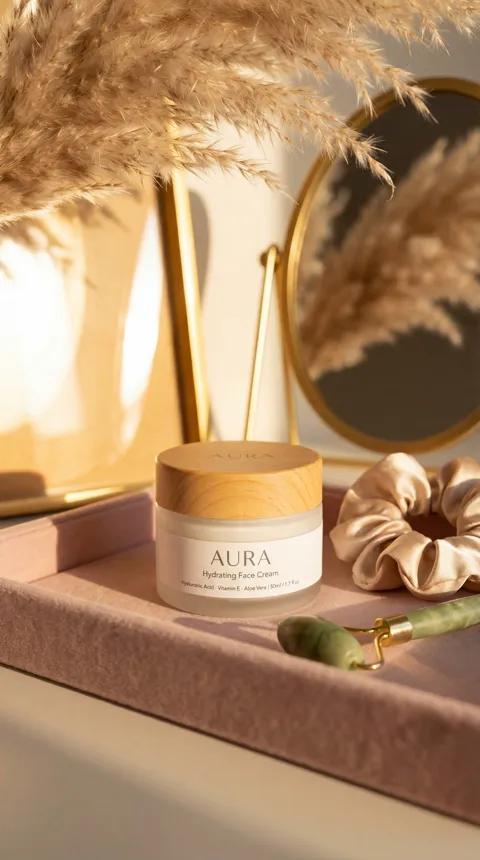
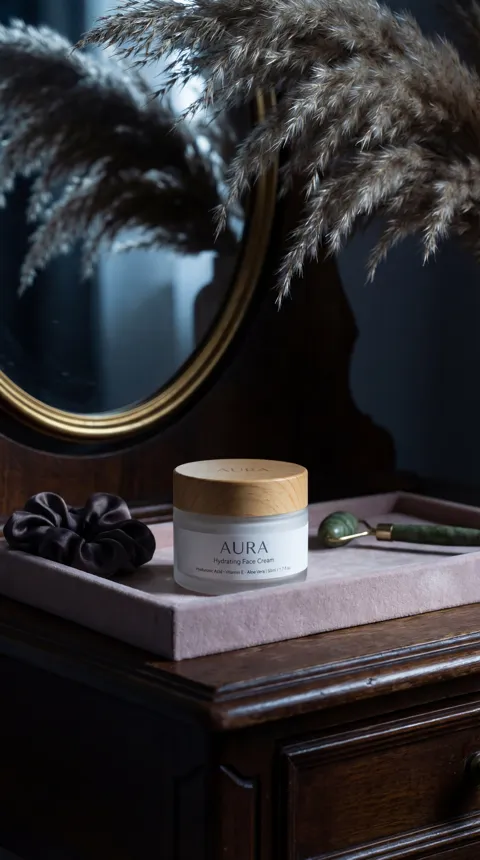
Step-by-Step Workflow for Creating Website Hero Images with AI
Creating captivating website hero images with AI product photography is a streamlined and intuitive process. Here's a typical workflow:
1. Define Your Visual Goal
Before you begin, determine the message you want your hero image to convey. What emotion should it evoke? What product feature should it highlight? Who is your target audience? Is it a seasonal campaign, a new product launch, or an evergreen brand statement? Having a clear objective will guide your creative choices.
2. Select Your Product and Base Image
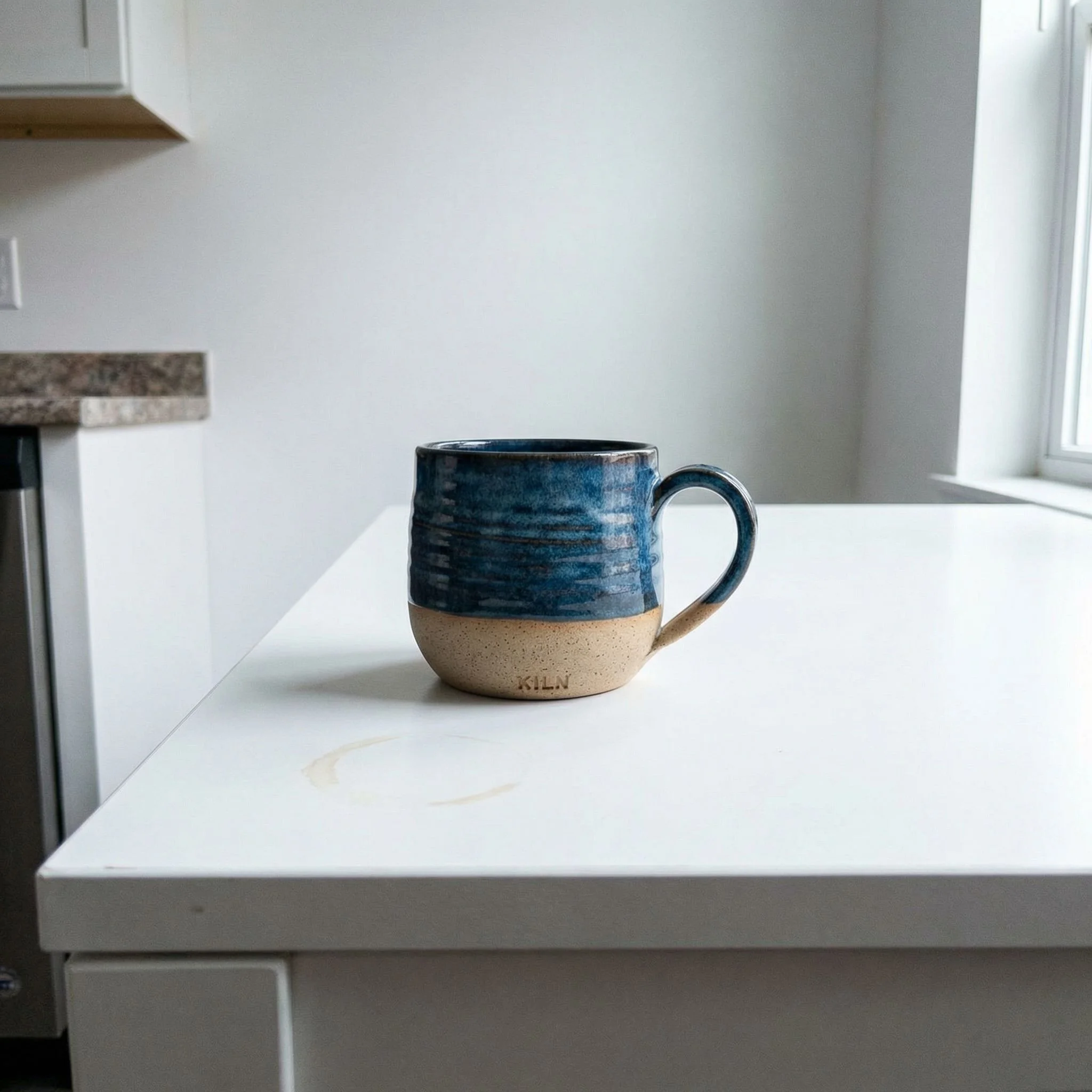
Start with a high-quality product photo, ideally on a plain white or transparent background. This clean base allows the AI to seamlessly integrate your product into new environments. Ensure the product is well-lit, in focus, and free of distractions.
3. Choose or Create Your Lifestyle Scene
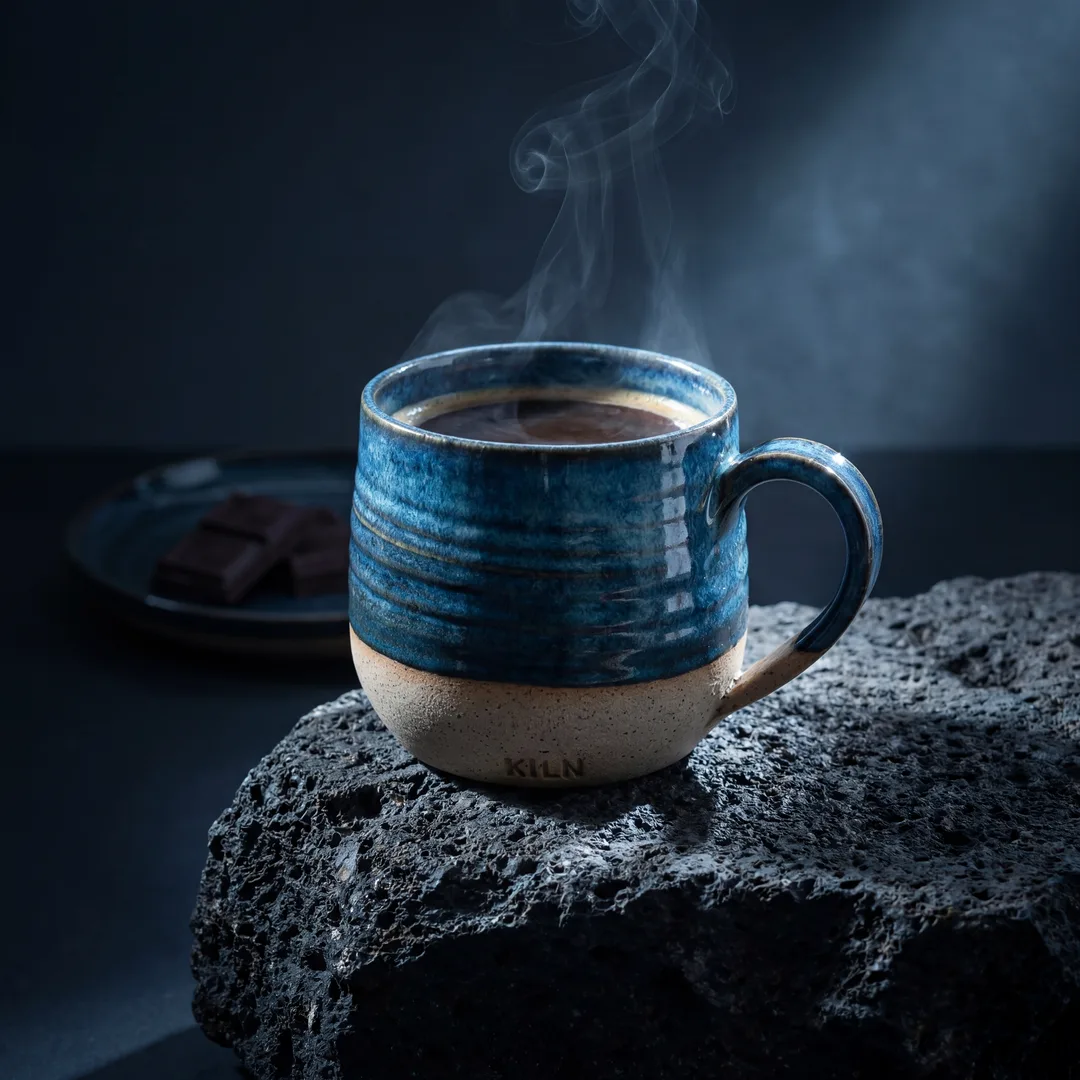
This is where the power of AI shines. Instead of building a physical set, you select a digital environment. Many AI platforms offer a library of scene templates or allow you to describe your desired setting. For hero images, think about scenes that convey aspiration, lifestyle, or problem-solving relevant to your product.
4. Apply Styling and Composition
Refine the scene's mood, lighting, and composition. Utilize features like Photone AI's "Reusable Styles" which are photography templates encoding specific mood, lighting, composition, and color palettes. This allows you to quickly experiment with different aesthetics—from minimalist and modern to cozy and rustic—to find the perfect match for your brand and product.
5. Generate and Iterate
With your product image, chosen scene, and styling parameters set, initiate the AI generation. The platform will create your lifestyle photos. Review the results critically. Don't hesitate to iterate: tweak prompts, adjust styles, or try new scene templates until you achieve an image that perfectly aligns with your vision for the hero section.
6. Review, Refine, and Optimize
Once you have your ideal hero image, download it. Perform any final touch-ups if necessary (though AI-generated images often require minimal post-processing). Most importantly, optimize the image for web use – compress its file size without sacrificing quality to ensure fast load times, and add descriptive alt text for accessibility and SEO.
Best Practices for Image Composition, Styling, and Branding
Even with AI doing the heavy lifting, understanding fundamental design principles is crucial for creating impactful hero images.
Composition: Guiding the Eye
- Rule of Thirds: Position your product or key elements along the intersecting lines or at the intersection points of a 3x3 grid. This creates a more balanced and engaging composition than simply centering everything.
- Negative Space: Don't be afraid of empty areas. Negative space helps draw attention to your main subject, preventing clutter and creating a sense of calm or sophistication. It's also ideal for overlaying text on your hero banner.
- Clear Focal Point: Ensure your product is the undisputed star. Every element in the scene should subtly direct the viewer's eye towards it.
- Visual Hierarchy: If your hero image features multiple products or elements, arrange them in a way that clearly communicates their relative importance.
Styling: Setting the Mood
- Contextual Relevance: The scene should make sense for your product. A running shoe needs an active, outdoor environment, not a formal dining room.
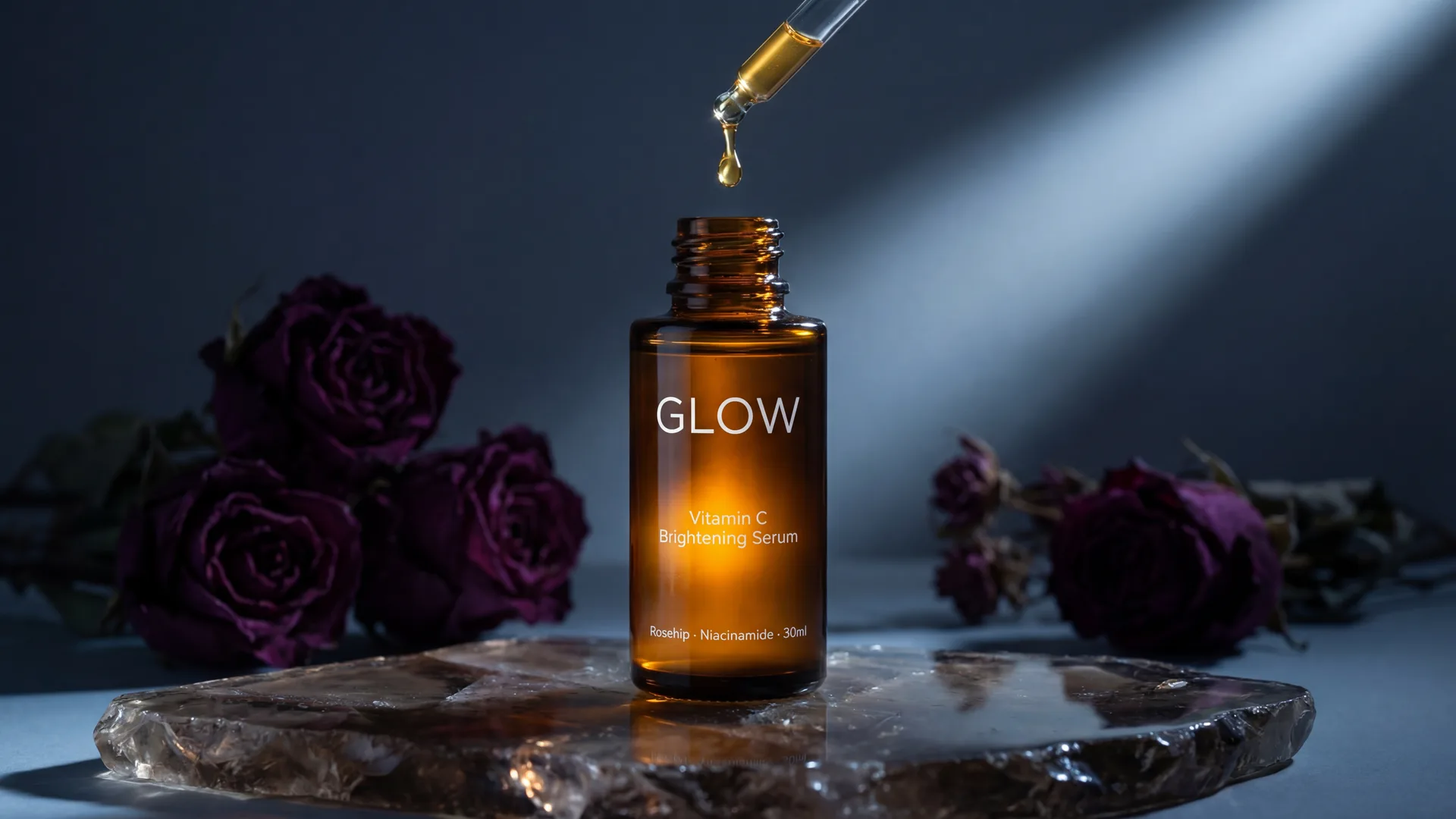
- Lighting and Mood: AI allows incredible control over lighting. Use soft, inviting light for home goods or sharp, dramatic light for high-tech gadgets. The lighting should reinforce the emotion you want to convey.
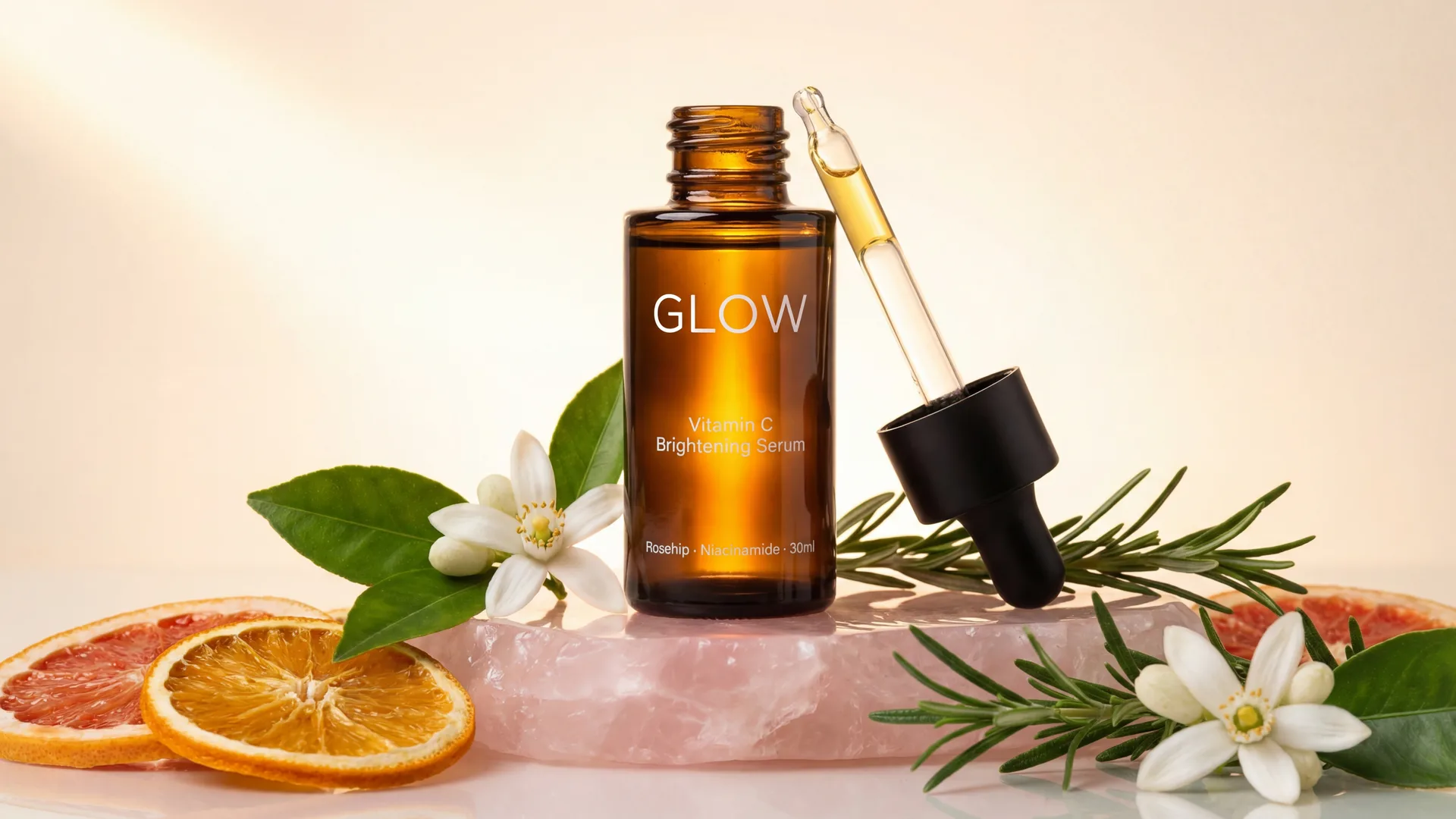
- Color Palette Harmony: Ensure the colors in the lifestyle scene complement your product and brand's color scheme. Avoid clashing colors that detract from the main subject.
- Minimalism vs. Richness: Decide if a clean, minimalist aesthetic best serves your brand or if a rich, detailed scene tells a more compelling story. AI tools can generate both with ease.
Branding: Consistency is Key
- Brand DNA: Leverage AI features that analyze your shop's visual identity. Photone AI, for example, offers "Brand DNA extraction" to automatically understand and apply your preferred visual style, ensuring every generated image feels authentically yours.
- Consistent Aesthetics: Your hero image should feel cohesive with the rest of your website and marketing materials. This builds brand recognition and reinforces trust.
- Target Audience Resonance: Design and style your hero images specifically for your ideal customer. What visuals resonate with them? What aspirations do they have? Your hero i...
Frequently Asked Questions
How quickly can I get a website hero image using AI?+
With AI product photography platforms like Photone AI, you can go from a basic product image to a professional lifestyle hero image in a matter of minutes, sometimes as fast as 60 seconds using features like the URL-to-photo pipeline.
Can AI-generated images truly match my brand's specific style?+
Yes, advanced AI platforms are designed for this. Photone AI, for instance, includes 'Brand DNA extraction' which automatically analyzes your existing visual identity and applies those stylistic cues—like color palettes, lighting, and mood—to new images, ensuring consistency with your brand.
What if I don't like the first set of AI-generated results?+
The beauty of AI is its iterative nature. You can easily tweak your prompts, adjust scene templates, change lighting, or select different 'Reusable Styles' and regenerate images in moments. This allows for rapid experimentation and refinement until you achieve the perfect hero shot without additional cost or time.
Are AI-generated product images suitable for high-resolution use on a website hero section?+
Absolutely. Modern AI product photography tools generate high-resolution images suitable for large displays. They are designed to produce professional-grade visuals that look crisp and stunning even when scaled up for hero banners, provided your initial product photo is of good quality.
Is AI product photography ethical, especially if it replaces traditional photographers?+
AI product photography is a tool designed to augment and accelerate creative workflows, not necessarily replace human creativity entirely. It democratizes access to high-quality visuals for businesses that might not afford traditional photography, allowing them to compete more effectively. Many photographers are also leveraging AI tools to enhance their own efficiency and creative output, focusing on more complex projects.
Can I use AI to create hero images for a completely new product that doesn't have existing lifestyle shots?+
Yes, this is one of its core strengths. You only need a clean, well-lit base image of your product, usually on a plain background. AI can then place this product into any desired lifestyle scene, creating engaging hero visuals even before a physical photoshoot could be arranged.