Unlocking Ad Success: Your Guide to AI Product Photography for Social Media
Transform your social media ads with AI-powered product photography. Learn to create stunning, high-converting visuals rapidly and cost-effectively.
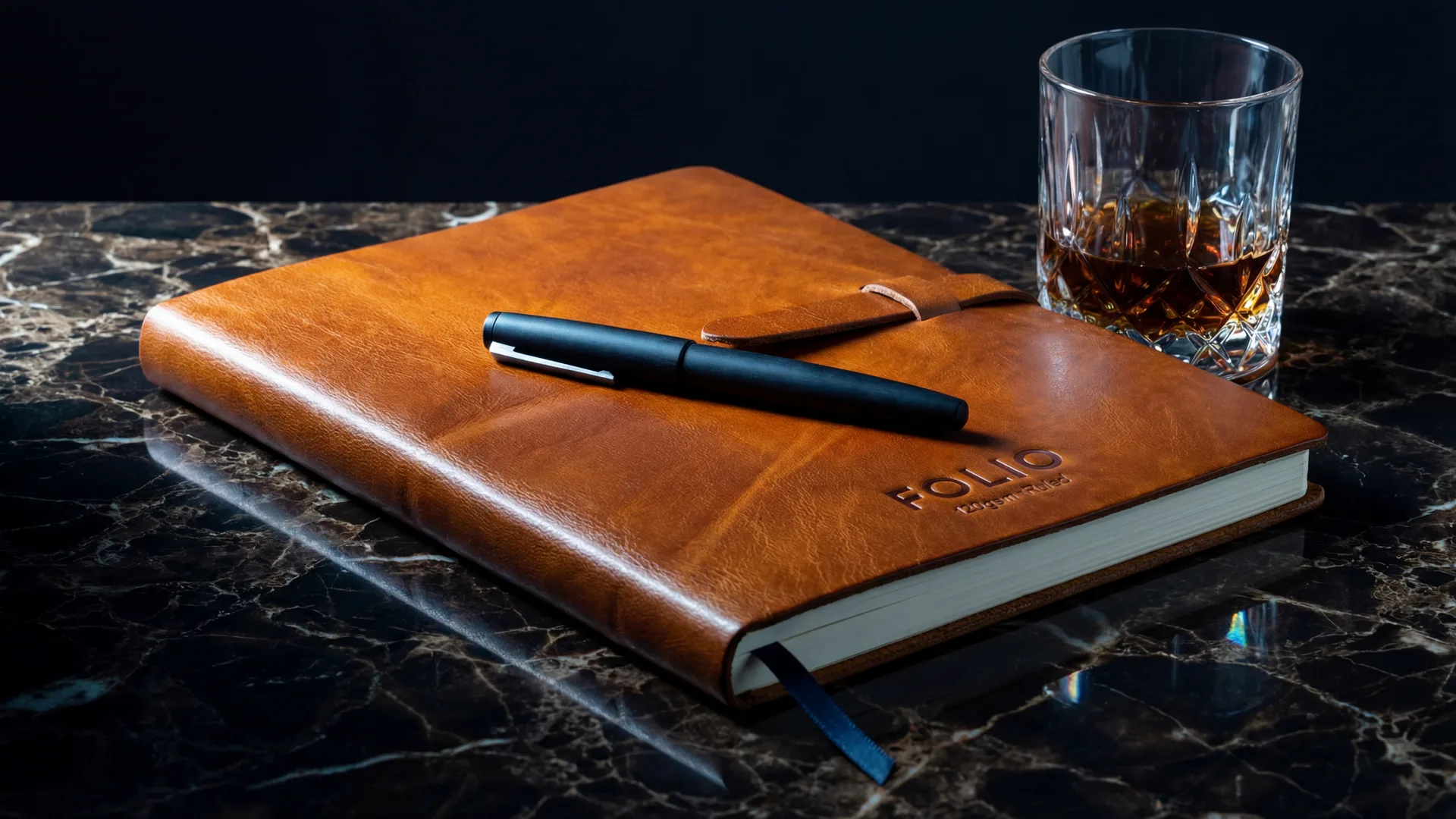
In the bustling digital marketplace, social media is the arena where brands battle for attention. For e-commerce businesses, an impactful presence on platforms like Instagram, Facebook, TikTok, and Pinterest isn't just an option—it's a necessity. But what truly makes an ad cut through the noise? The answer often lies in compelling visuals, and specifically, high-quality product photos for ads.
This comprehensive guide will explore how artificial intelligence is revolutionizing social media product photography, offering an unprecedented blend of speed, creativity, and cost-efficiency. We'll delve into why your social media ads demand visual excellence, compare traditional methods with the cutting-edge AI approach, and provide a step-by-step workflow for creating scroll-stopping ai photos for social media.
The Unmissable Imperative: Why Social Media Ads Demand Visual Excellence
Social media platforms are inherently visual. Users scroll through feeds at lightning speed, often making split-second decisions about what to stop and engage with. In this attention economy, blurry, poorly lit, or generic product images are immediately skipped. For businesses, this translates to wasted ad spend and missed opportunities.
High-quality product visuals on social media ads are critical for several reasons:
- Capture Attention Instantly: A stunning image is the ultimate scroll-stopper. It's the first impression your product makes, enticing users to pause and learn more.
- Build Trust and Credibility: Professional imagery signals professionalism and care, fostering trust with potential customers. It makes your brand appear reputable and reliable.
- Communicate Value and Lifestyle: Beyond just showing the product, lifestyle photos demonstrate how the product fits into a customer's life, creating desire and emotional connection. They tell a story that resonates.
- Drive Engagement and Conversions: Visually appealing ads receive higher click-through rates (CTRs) and better engagement, ultimately leading to more conversions. Platforms' algorithms also favor content that keeps users engaged.
- Stand Out from the Competition: In a crowded market, unique and high-quality visuals are a powerful differentiator, helping your brand carve out its own identity.
The Paradigm Shift: Traditional vs. AI-Powered Product Photography
For years, businesses relied on traditional photoshoots to generate product images. While effective, this approach comes with significant challenges:
Traditional Hurdles:
- High Costs: Professional photographers, studio rentals, props, models, and post-production editing add up quickly.
- Time-Consuming: Planning, shooting, and editing a photoshoot can take weeks, delaying product launches and campaign rollouts.
- Logistical Complexities: Coordinating schedules, shipping products, and managing multiple vendors is often a headache.
- Limited Variety: Each shoot produces a finite set of images. Generating variations for A/B testing or diverse targeting means additional costs and time.
- Inconsistency: Achieving a consistent look and feel across different campaigns or product lines can be challenging with varying photographers and setups.
The AI Advantage:
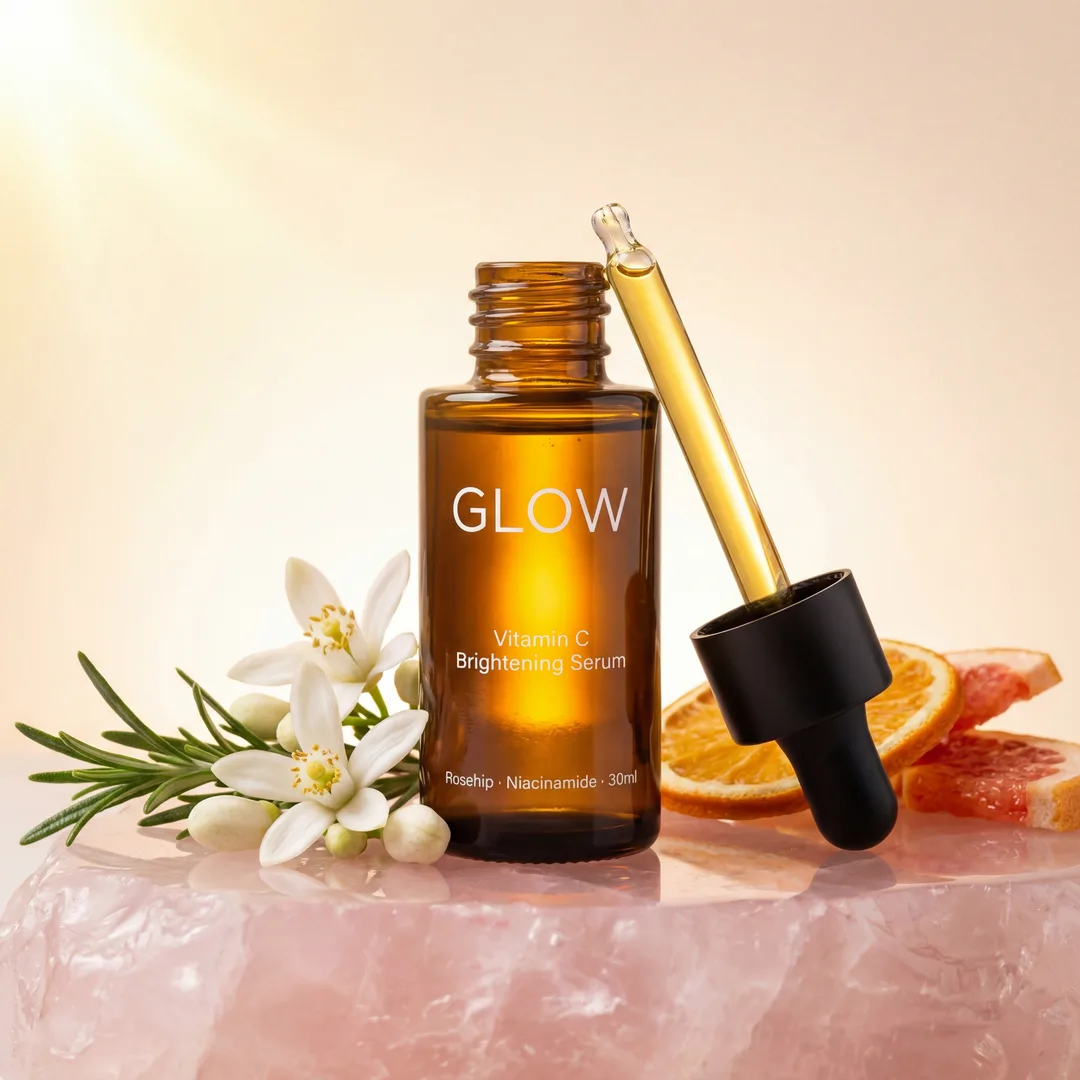
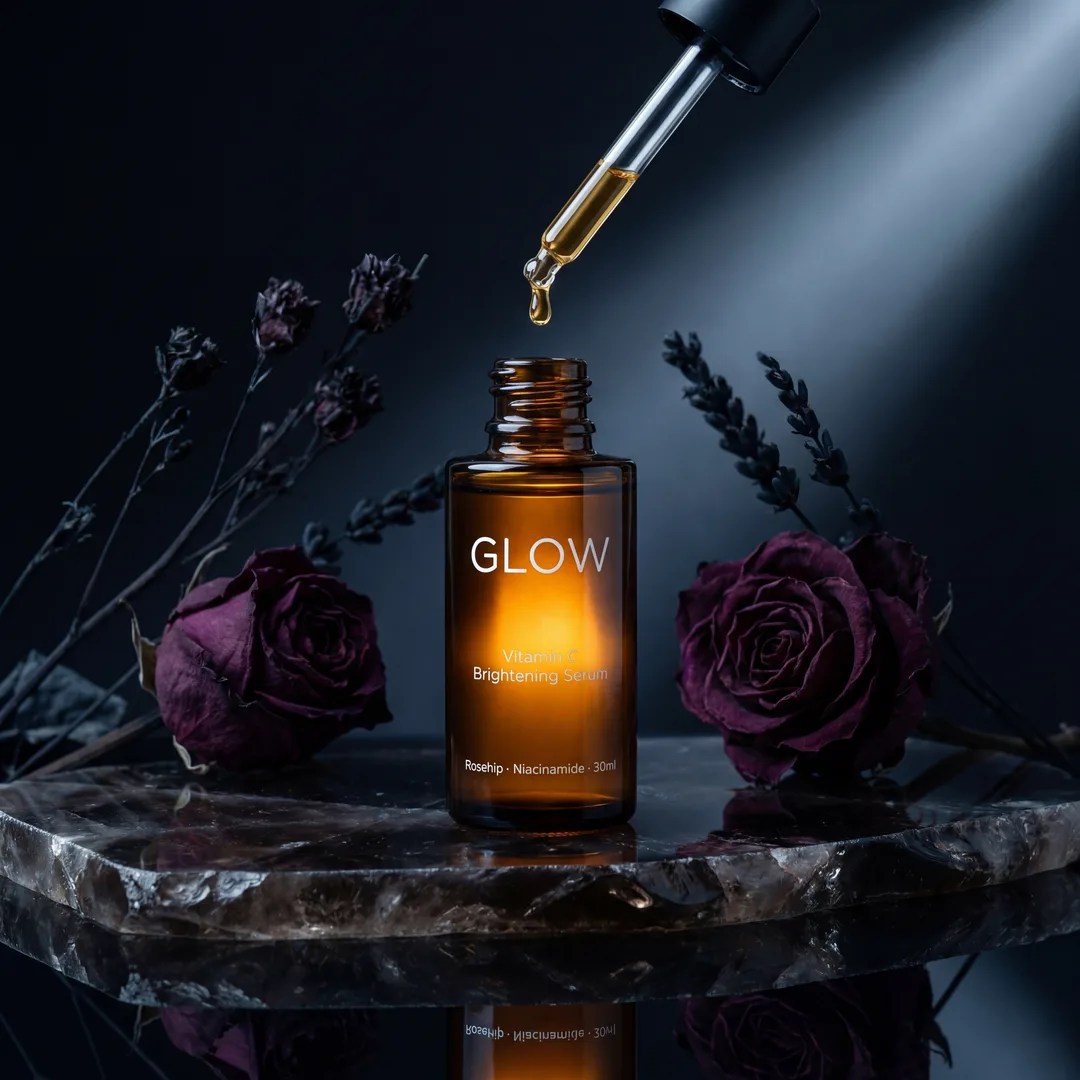
Artificial intelligence has emerged as a game-changer, addressing these traditional bottlenecks head-on. AI-powered platforms like Photone AI leverage advanced algorithms to transform simple product photos into captivating lifestyle imagery without the need for physical shoots.
- Unmatched Speed: What once took days or weeks can now be achieved in minutes. The URL-to-photo pipeline, for example, allows for rapid generation of lifestyle photos.
- Scalability on Demand: Need hundreds of images for an entire catalog or diverse ad variations? AI handles it effortlessly, scaling to your precise needs.
- Significant Cost Reduction: Eliminate expenses related to studios, photographers, models, and extensive prop sourcing. This reallocates budget to other crucial marketing efforts.
- Endless Creative Possibilities: AI can place your product in virtually any environment, scenario, or aesthetic, opening up a world of creative freedom for diverse campaigns.
- Consistent Branding: AI allows you to define and reuse styles, ensuring a consistent brand aesthetic across all your marketing visuals, which is vital for brand recognition.
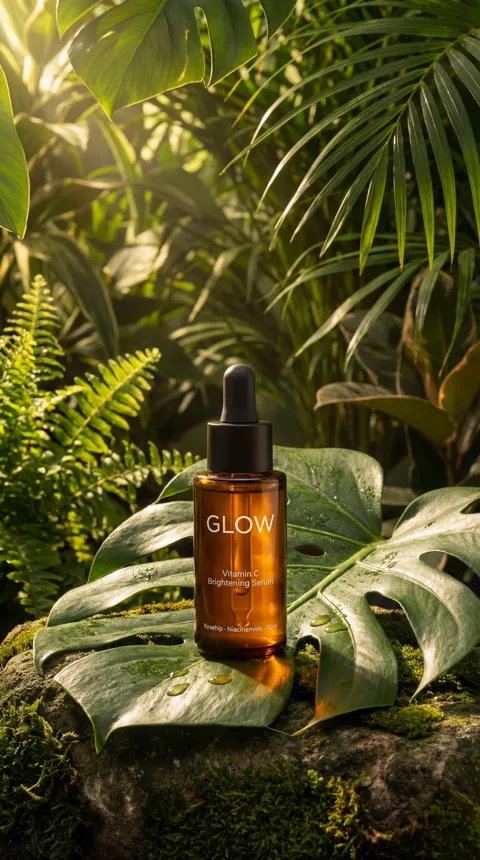
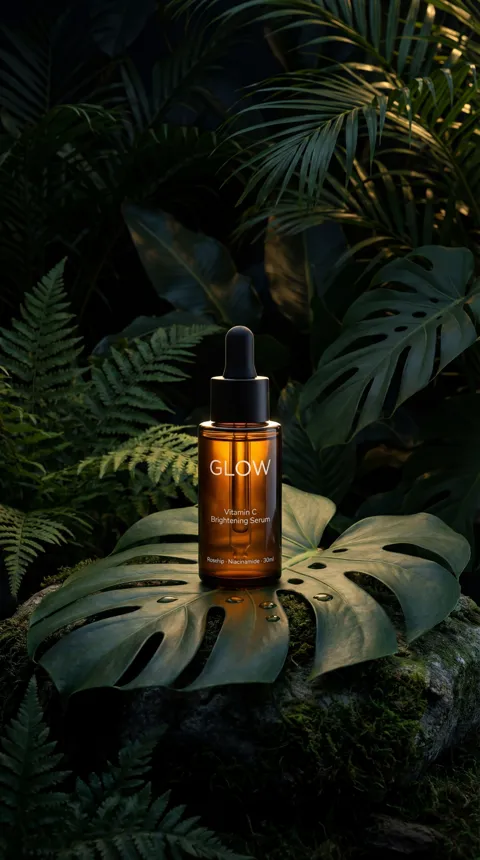
Crafting Scroll-Stopping Ads: A Step-by-Step AI Workflow
Implementing AI product photography for your social media ads is streamlined and intuitive. Here’s a typical workflow:
Step 1: Defining Your Campaign Vision
Before generating any images, identify your campaign goals, target audience, and the specific message you want to convey. Are you launching a new product, promoting a seasonal sale, or targeting a specific demographic? This clarity will guide your choice of scenes and styles.
Step 2: Inputting Your Product
Most AI platforms require a clean, well-lit product image (or even a product URL, as with Photone AI's URL-to-photo pipeline). The AI then isolates your product from its background, preparing it for integration into various scenes.
Step 3: Selecting and Customizing Lifestyle Scenes
This is where the magic happens. Browse a library of scene templates or describe your desired setting using text prompts. Want your watch on a climber's wrist against a mountain backdrop? Or your skincare product on a vanity in a spa-like bathroom? The AI platform will generate options. Many platforms offer "Reusable Styles" that encode specific moods, lighting, composition, and color palettes, ensuring consistency and brand alignment.
Step 4: Generating and Refining
With your product and scene selected, the AI generates high-resolution lifestyle images. Review these generations, and use refinement tools to adjust elements like lighting, shadows, reflections, or even slight product placement to achieve perfection. Some platforms also offer features like "Brand DNA extraction" to automatically analyze your shop's visual identity and suggest relevant styles.
Step 5: Iterating for A/B Testing
Generate multiple variations of your ad creatives. Experiment with different scenes, props, models, or demographic contexts. This allows for rigorous A/B testing on your social media platforms, identifying which visuals resonate most strongly with your audience and drive the best performance.
Mastering the Art: Best Practices for AI-Generated Social Media Ad Imagery
While AI automates much of the process, strategic input is still key to maximizing your ad performance. Here are some best practices:
Composition for Conversion
- Focus on the Product: Even in a lifestyle scene, ensure your product remains the hero. Use the rule of thirds or leading lines to draw the viewer's eye to it.
- Contextual Relevance: The background and props should enhance, not distract from, the product. They should tell a story about who uses the product and how.
- White Space (or Breathing Room): Avoid overly cluttered scenes. Give your product space to stand out, making the image easier to process quickly.
Styling for Storytelling
- Match Your Brand Aesthetic: Use the AI's styling options to align images with your existing brand guidelines. Leverage "Reusable Styles" to maintain visual consistency across all campaigns.
- Evoke Emotion: Choose scenes and lighting that elicit the desired emotional response—e.g., warm, cozy lighting for home goods; bright, energetic scenes for fitness products.
- Consider Your Audience: What lifestyles do your target customers aspire to? Reflect those aspirations in your generated scenes. For global sellers, remember that platforms supporting 21 languages can help tailor content.
Branding for Recognition
- Subtle Integration: While some ads might include visible logos, often the branding comes from the consistent aesthetic, color palette, and mood that your brand is known for. AI helps you maintain this consistency.
- Visual Story Arc: Ensure your ad images tell a coherent story about your brand and product line. Use "Scene templates for visual consistency across entire catalogs" if available.
Diversity and A/B Testing
- Audience Segmentation: Create different ad sets with varied visuals to appeal to specific demographics or interests within your target audience.
- Iterate and Optimize: Social media ad performance is rarely a 'set it and forget it' situation. Continuously test new AI-generated variations and optimize based on performance data.
Accelerating Your Ad Strategy: Real-World Scenarios with AI
AI product photography isn't just a novelty; it's a powerful tool for accelerating various aspects of your social media ad strategy:
- Rapid Product Launches: Introduce new products to market with high-quality lifestyle visuals in days, not weeks, giving you a competitive edge.
- Targeting Diverse Demographics: Quickly generate images featuring different models, settings, or cultural contexts to resonate with varied audience segments, even across 21 supported languages.
- Seasonal and Holiday Campaigns: Produce a wealth of themed visuals for Black Friday, Valentine's Day, or summer sales without the high overhead of multiple photoshoots.
- Revitalizing Evergreen Ads: Breathe new life into high-performing ads by regularly refreshing their visuals with AI-generated alternatives, preventing ad fatigue.
- Content Volume for Organic Social: Beyond paid ads, AI can churn out a constant stream of fresh, engaging content for your organic social media feeds, enhancing your overall brand presence.
The Tangible Returns: Measuring ROI in AI Product Photography
Investing in AI product photography isn't just about cool tech; it delivers measurable returns for your business.
Time Savings
The most immediate benefit. Drastically cut down the time spent on planning, shooting, and editing. This allows your marketing team to focus on strategy, targeting, and optimization rather than logistical hurdles.
Cost Reduction
Eliminate expens...
Frequently Asked Questions
Is AI photography truly 'high-quality' enough for social media ads?+
Absolutely. Modern AI product photography platforms leverage advanced rendering technologies to produce images that are virtually indistinguishable from professional photoshoots. They offer high resolutions, realistic lighting, and sophisticated compositions, making them perfectly suitable for even the most demanding ad campaigns.
Can AI photography match my specific brand style and aesthetics?+
Yes, many AI platforms are designed with brand consistency in mind. Features like 'Reusable Styles' or 'Brand DNA extraction' allow you to define and save specific aesthetics—including lighting, mood, and color palettes—ensuring all generated images align perfectly with your brand's visual identity.
How many images can I generate with AI, and is it cost-effective for large campaigns?+
AI platforms offer unparalleled scalability. You can generate hundreds, even thousands, of unique lifestyle images for a fraction of the cost and time of traditional photography. Pricing tiers (like Free, Starter, Pro, Scale) are designed to accommodate businesses of all sizes, making it highly cost-effective for extensive campaigns and A/B testing.
Is it really faster than a traditional photoshoot, and how much time can I save?+
Significantly faster. A process that could take weeks—from planning to final edits—can be reduced to minutes or hours with AI. Simply uploading a product image or URL and selecting a scene can generate high-quality lifestyle photos almost instantly, drastically accelerating your campaign timelines.
What if I don't like the generated images? Can I make revisions?+
Yes, AI platforms typically offer robust editing and refinement tools. You can often adjust elements like product placement, lighting, shadows, reflections, or even regenerate images with different prompts or styles until you achieve the desired result. The iterative nature of AI generation makes it easy to experiment and perfect.
Do I need design or photography skills to use AI product photography tools?+
No, most AI product photography platforms are designed to be user-friendly, even for those without extensive design or photography experience. Intuitive interfaces, pre-set styles, and text-based prompts make it easy for anyone to create professional-grade visuals. The focus is on your product and creative vision, not technical skills.