Mastering Marketplace Listings: The AI Revolution in Product Photography
Discover how AI product photography transforms marketplace listings, enhancing visuals, saving costs, and boosting conversions across platforms.
Why High-Quality Product Visuals Are Non-Negotiable for Marketplace Listings
In the fiercely competitive world of online marketplaces like Amazon, Etsy, eBay, and countless others, your product's visual appeal isn't just a nice-to-have – it's often the single most critical factor determining whether a potential customer clicks, trusts, and ultimately buys. Think of a marketplace listing as a virtual storefront; if the display window is unappealing or unclear, shoppers will simply walk past.
High-quality product listing images AI-enhanced or traditionally shot, serve several vital functions:
Capturing Immediate Attention
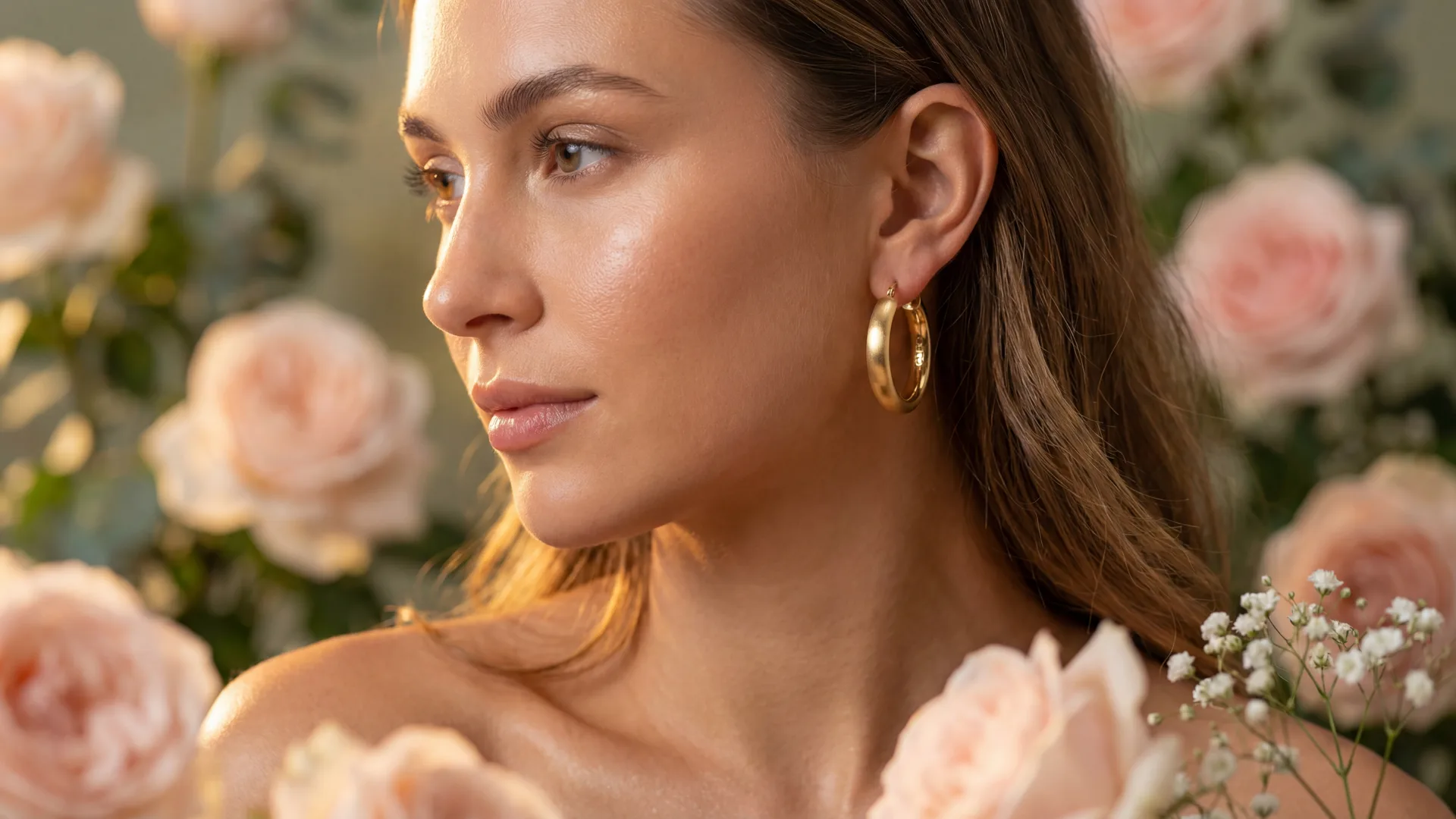
Marketplaces are bustling with millions of products. Your image is the first, and often only, chance you get to stand out in a sea of search results. A striking, professional photograph can stop a scrolling shopper in their tracks, compelling them to learn more about your product.
Building Trust and Credibility
Consumers are savvier than ever. Blurry, poorly lit, or amateurish photos signal a lack of professionalism and can erode trust before it even begins. Conversely, crisp, well-composed images convey reliability and confidence in your product's quality, reassuring buyers that they're making a sound purchase.
Communicating Value and Context
Unlike a physical store where customers can touch and feel a product, online shoppers rely entirely on visuals to understand what they're buying. Lifestyle photos, in particular, show the product in use, helping customers envision it in their own lives and understand its benefits and scale. This context is crucial for multi-marketplace photography where different platforms might cater to varying aesthetics or user expectations.
Driving Conversions and Reducing Returns
Clear, comprehensive visuals answer many unspoken questions, reducing buyer uncertainty. Products with excellent photography tend to have higher click-through rates and conversion rates. Furthermore, accurate and representative images minimize discrepancies between expectation and reality, leading to fewer returns and happier customers.
The Traditional Approach vs. The AI-Powered Approach
For years, creating stunning product photography involved a significant investment of time, money, and logistical coordination.
The Traditional Hurdle
- High Costs: Hiring professional photographers, models, stylists, renting studios, purchasing props, and editing services can quickly add up, often costing hundreds or even thousands of dollars per product shoot.
- Time-Consuming: From scheduling shoots and coordinating logistics to waiting for post-production, the entire process can take days, weeks, or even months, delaying product launches and marketing campaigns.
- Logistical Complexity: Managing props, product samples, and talent, especially for large catalogs or global operations, is a considerable organizational challenge.
- Limited Iteration: The high cost and time investment make A/B testing different image styles or compositions prohibitively expensive, limiting opportunities for optimization.
The AI Advantage: Speed, Scale, and Savings
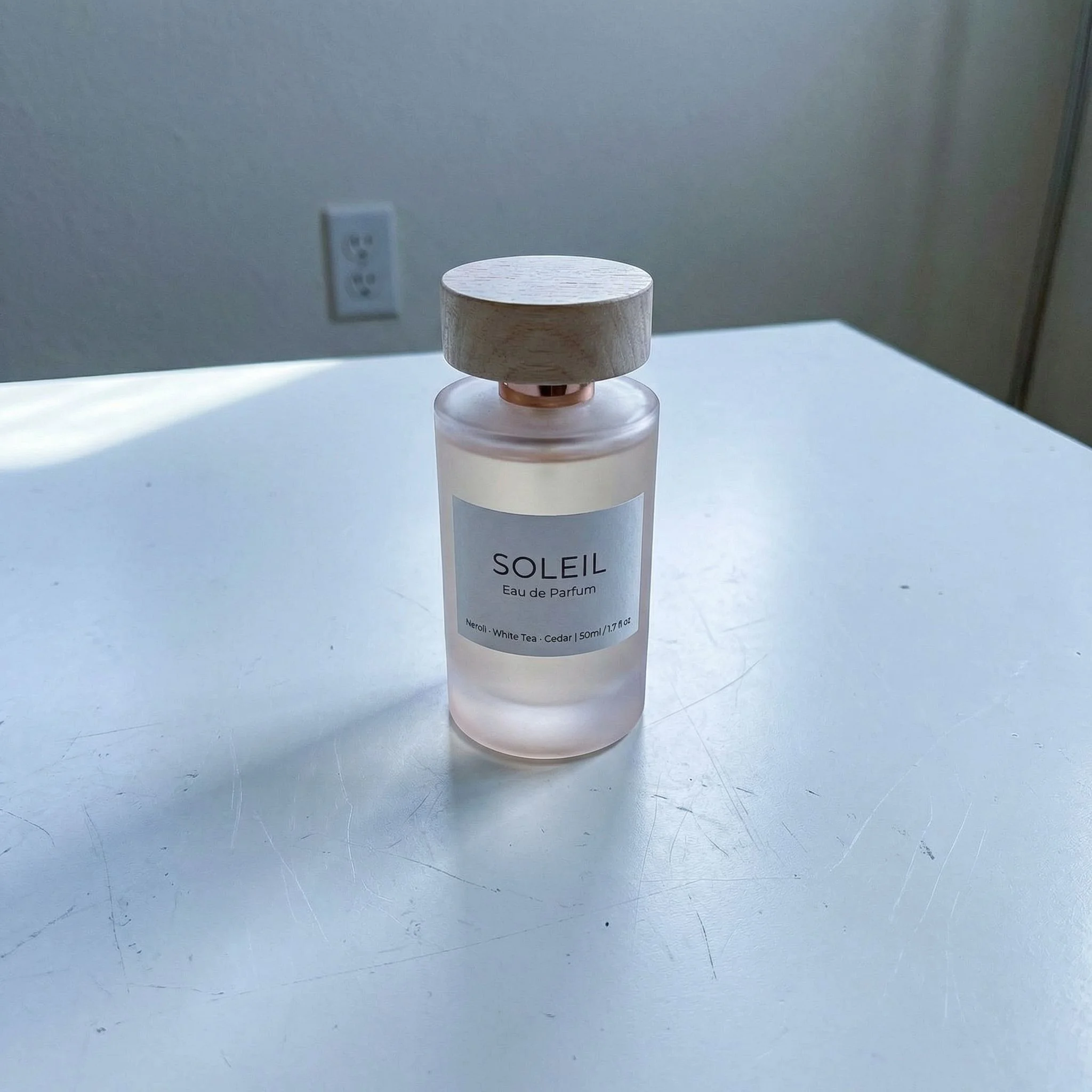
This is where AI product photography steps in, offering a revolutionary alternative. Platforms like Photone AI harness artificial intelligence to transform basic product images into professional, high-quality lifestyle marketing photos with unprecedented efficiency.
- Dramatic Cost Reduction: Eliminate the need for expensive photoshoots, studios, props, and extensive manual editing. AI tools significantly cut down on the per-image cost, making professional visuals accessible for businesses of all sizes.
- Unrivaled Speed: What once took days or weeks can now be achieved in minutes. With Photone AI's URL-to-photo pipeline, you can simply paste a product URL and generate lifestyle photos in about 60 seconds, accelerating your time-to-market.
- Scalability and Consistency: AI allows you to generate a vast number of images for an entire product catalog quickly, ensuring visual consistency across all your listings. This is a game-changer for large e-commerce businesses managing hundreds or thousands of SKUs.
- Endless Iteration and Customization: Experiment with countless styles, scenes, and compositions without additional cost or time. A/B test different visuals to identify what resonates best with your audience, continually optimizing for higher conversions.
- Global Reach: Tools with multi-language support (like Photone AI's 21 supported languages) allow for localized visual content, appealing to diverse international markets without manual translation of creative briefs.
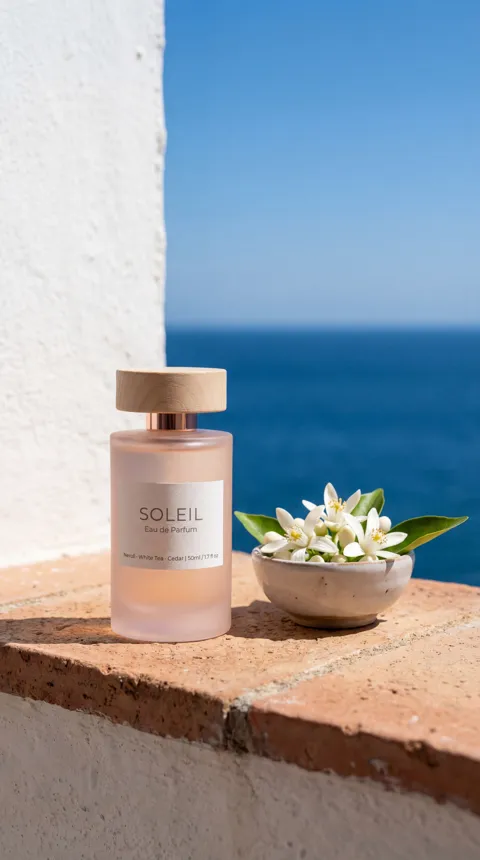
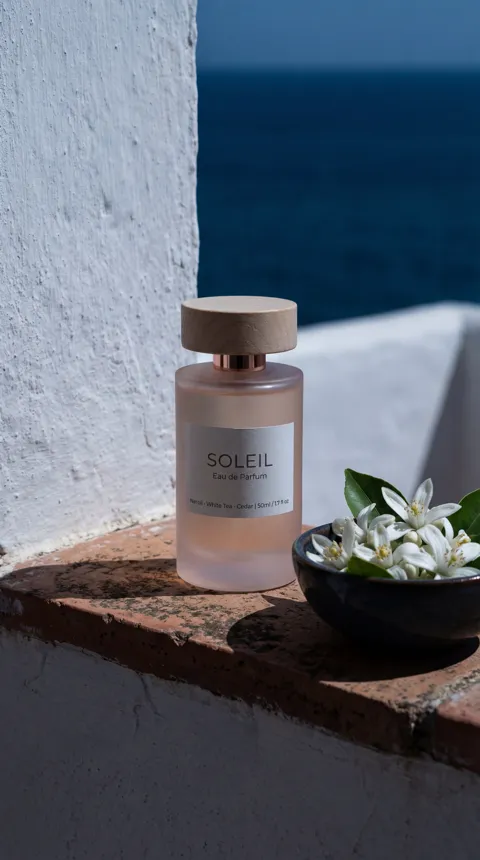
Step-by-Step Workflow for Creating Images for Marketplace Listings with AI
Embracing AI for your product listing images AI workflow is surprisingly straightforward. Here's how you can leverage a platform like Photone AI to streamline your visual content creation:
1. Input Your Product Image or URL
Start by providing your AI tool with the product you want to feature. Most platforms allow you to upload a clean, clear cutout image of your product. Alternatively, with Photone AI, you can simply paste a product URL from your website, and the platform will automatically extract the product image, saving you a step.
2. Define Your Style and Scene
This is where the creative magic happens. AI tools offer various ways to guide the image generation:
- Reusable Styles: Leverage pre-defined photography templates that encode specific moods, lighting conditions, compositions, and color palettes. Photone AI's Reusable Styles allow you to save your preferred aesthetics for consistent multi-marketplace photography across your entire catalog.
- Custom Prompts: Describe the scene you envision using natural language. For instance, you might prompt: "A minimalist modern living room with soft natural light," or "A bustling outdoor market scene at sunset."
- Scene Templates: For visual consistency across entire catalogs, select from a library of scene templates that provide a foundational environment for your product.
3. Generate and Refine
Once your product and style parameters are set, the AI will generate multiple lifestyle images. Review these outputs and select the ones that best meet your needs. Most platforms allow for further refinements – perhaps adjusting the product's placement, altering lighting, or tweaking the background elements. This iterative process allows you to achieve the perfect shot without needing a physical reshoot.
4. Optimize for Specific Marketplaces
Each marketplace has its own image requirements and best practices. After generating your core images:
- Resize and Crop: Adjust dimensions and aspect ratios to fit platform specifications (e.g., square for Instagram/Etsy, specific ratios for Amazon main images).
- Review Guidelines: Ensure your images comply with each marketplace's rules regarding watermarks, text overlays, and background colors.
- A/B Test: Consider creating slight variations in styling or composition to A/B test which images perform best on different platforms, optimizing your marketplace listing photos for maximum impact.
Best Practices for Image Composition, Styling, and Branding
While AI handles the heavy lifting, understanding fundamental photography principles will help you guide the AI to produce the most effective visuals for your marketplace listings.
Image Composition: Clarity and Context
- Product Focus: Ensure your product is the undisputed hero of every shot. It should be well-lit, sharp, and clearly visible, taking up a significant portion of the frame without feeling cramped.
- Rule of Thirds: Position your product or key elements along the intersecting lines of a tic-tac-toe grid for a more dynamic and engaging composition.
- Depth and Dimension: Use foreground and background elements to create a sense of depth, making the product pop and feel more integrated into the scene.
- Variety of Angles: Showcase your product from multiple angles – front, back, sides, and close-ups of key features – to give customers a comprehensive view.
Styling: Telling a Story with Your Product
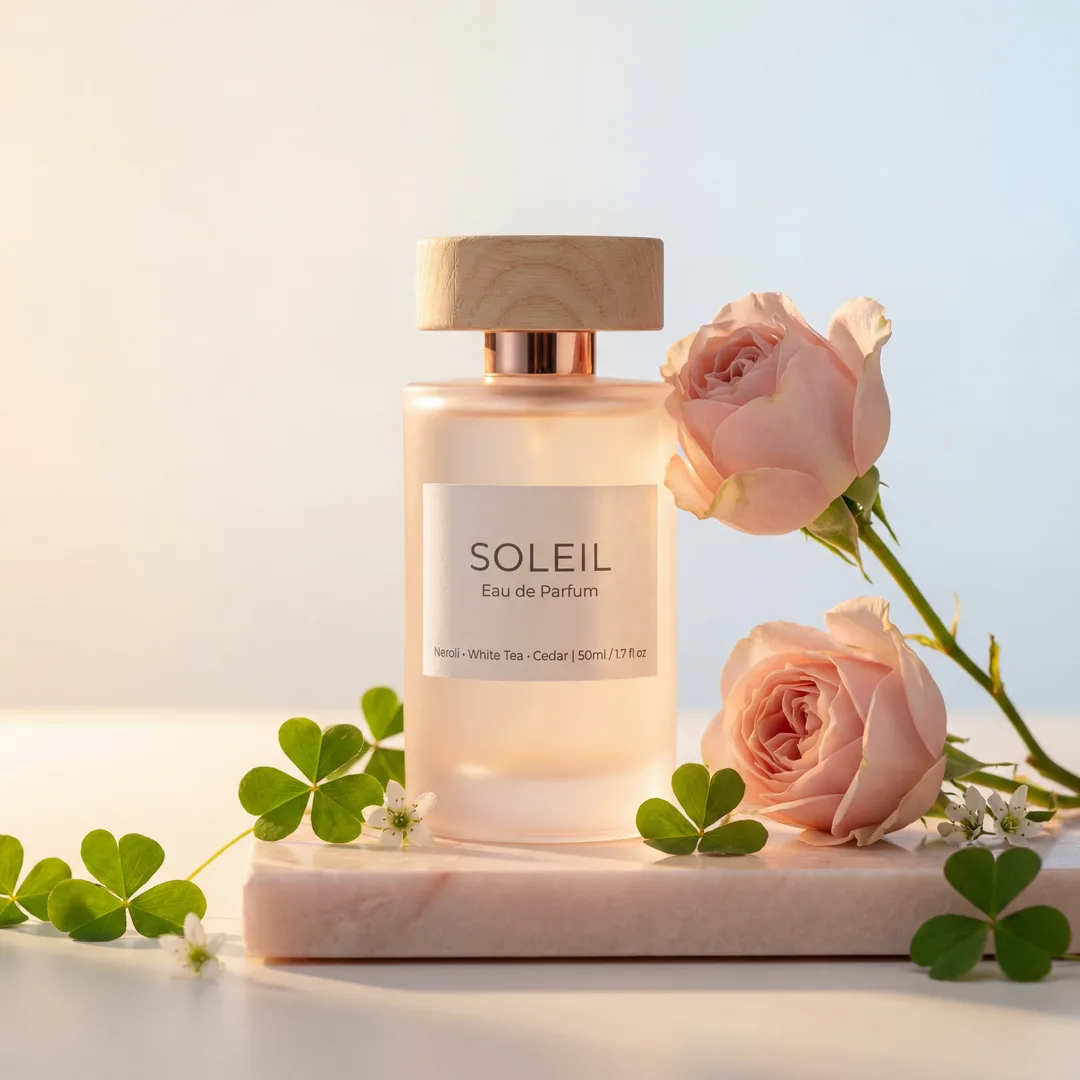
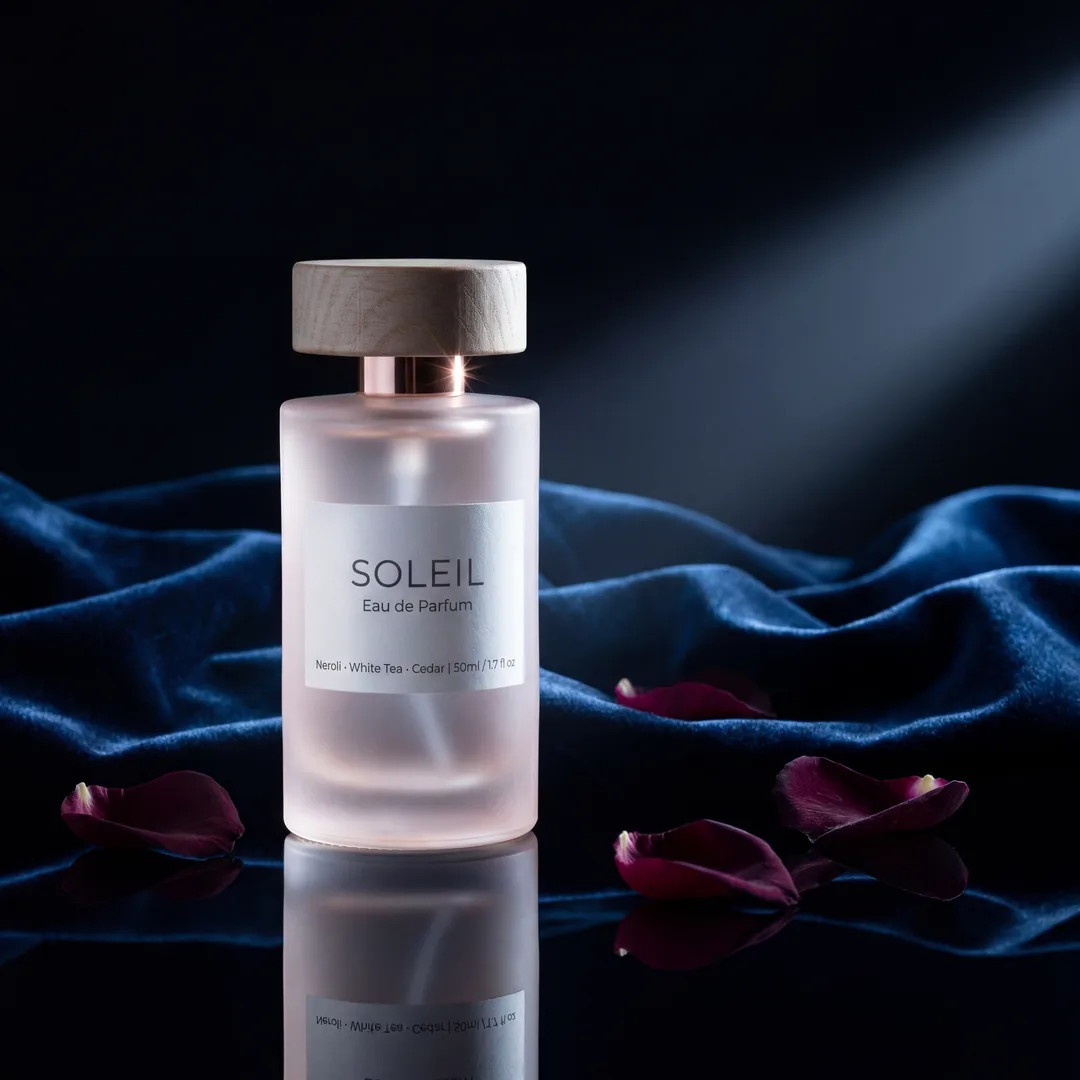
- Lifestyle Integration: AI excels at creating lifestyle photos. Use this to your advantage by placing your product in relevant, aspirational settings. Show a coffee mug being used on a cozy morning, or a piece of jewelry complementing an elegant outfit.
- Mood and Atmosphere: Utilize AI's capabilities to set the right mood. A rustic product might benefit from warm, earthy tones and a natural backdrop, while a tech gadget could be enhanced by sleek, modern environments and cool lighting.
- Prop Selection (Virtual): Guide the AI to include virtual props that complement your product without distracting from it. These props should enhance the narrative and reinforce the product's use case or aesthetic.
Branding: Consistency Across the Board
- Visual Identity: Even without overt logos, your images should reflect your brand's visual identity. Photone AI's Brand DNA extraction feature can automatically analyze your shop's visual identity, ensuring generated images align with your existing aesthetic across all product listing images AI creates.
- Consistent Color Palette: Maintain a consistent color scheme across your listings to build brand recognition and a cohesive storefront. Use AI to generate images that adhere to your brand's specific palette.
- Subtle Brand Elements: If appropriate, subtly integrate brand colors, textures, or design motifs into the background or props without overwhelming the product.
Real-World Scenarios Where AI Accelerates the Marketplace Listings Workflow
AI product photography isn't just a niche tool; it's a versatile solution that addresses common pain points for e-commerce sellers, especially for multi-marketplace photography.
- New Product Launches: Quickly generate a full suite of professional images for new arrivals, allowing you to launch products faster and capitalize on market trends.
- A/B Testing for Optimization: Easily create multipl...
Frequently Asked Questions
Is AI product photography as good as traditional photography for marketplace listings?+
For many e-commerce needs, especially for marketplace listings, AI product photography can match or even surpass traditional methods in terms of quality, consistency, and contextual relevance. AI excels at generating diverse lifestyle shots quickly and cost-effectively, allowing for greater experimentation and optimization that traditional photography often can't match due to budget and time constraints. While high-end fashion or unique artistic products might still benefit from bespoke human photography, AI is rapidly closing the gap for most product types.
How can I ensure brand consistency across my product listing images using AI?+
Many AI platforms, including Photone AI with its Brand DNA extraction and Reusable Styles, allow you to define and save your visual brand identity. This means you can establish specific lighting, mood, color palettes, and compositional rules. Once set, these styles can be applied consistently across all your products, ensuring a unified and professional brand presence even when generating thousands of images.
Can I use AI-generated images on all major marketplaces like Amazon, Etsy, and eBay?+
Yes, AI-generated images are perfectly suitable for all major marketplaces, provided they meet the specific platform's image guidelines (e.g., resolution, background, text overlays). In fact, AI tools make it easier to tailor images for different marketplace requirements, allowing you to quickly generate variations optimized for each platform's unique aesthetic and technical specifications. Always double-check the latest guidelines for each marketplace.
What if the AI-generated image doesn't perfectly represent my product's details?+
While AI is highly advanced, it's crucial to start with a clear, high-quality base image of your product. If an AI-generated scene distorts a detail, most platforms allow for iterative refinement where you can adjust prompts or settings to get closer to the desired output. It's recommended to review final images carefully, especially for intricate details, to ensure they accurately reflect your product. For critical details, you may still want to include a clean, cut-out product shot alongside lifestyle images.
Is AI product photography expensive for small businesses?+
No, it's significantly more affordable than traditional photography. Many AI platforms offer free tiers or highly competitive subscription models. Photone AI, for example, offers a free tier with 12 credits, and paid plans start at just $39/month for 150 credits. This makes professional-grade imagery accessible to small businesses that previously couldn't afford traditional photography services, democratizing access to high-quality visuals.
How long does it take to get images using AI product photography?+
The process is incredibly fast. With platforms like Photone AI, you can go from pasting a product URL to receiving professional lifestyle photos in as little as 60 seconds. This rapid turnaround is one of the biggest advantages of AI photography, allowing for quick product launches, A/B testing, and reactive marketing campaigns.