Mastering Dropshipping: Elevate Your Store with AI Product Photography
Discover how AI product photography transforms dropshipping stores, offering high-quality visuals, faster workflows, and increased conversions without the tradi

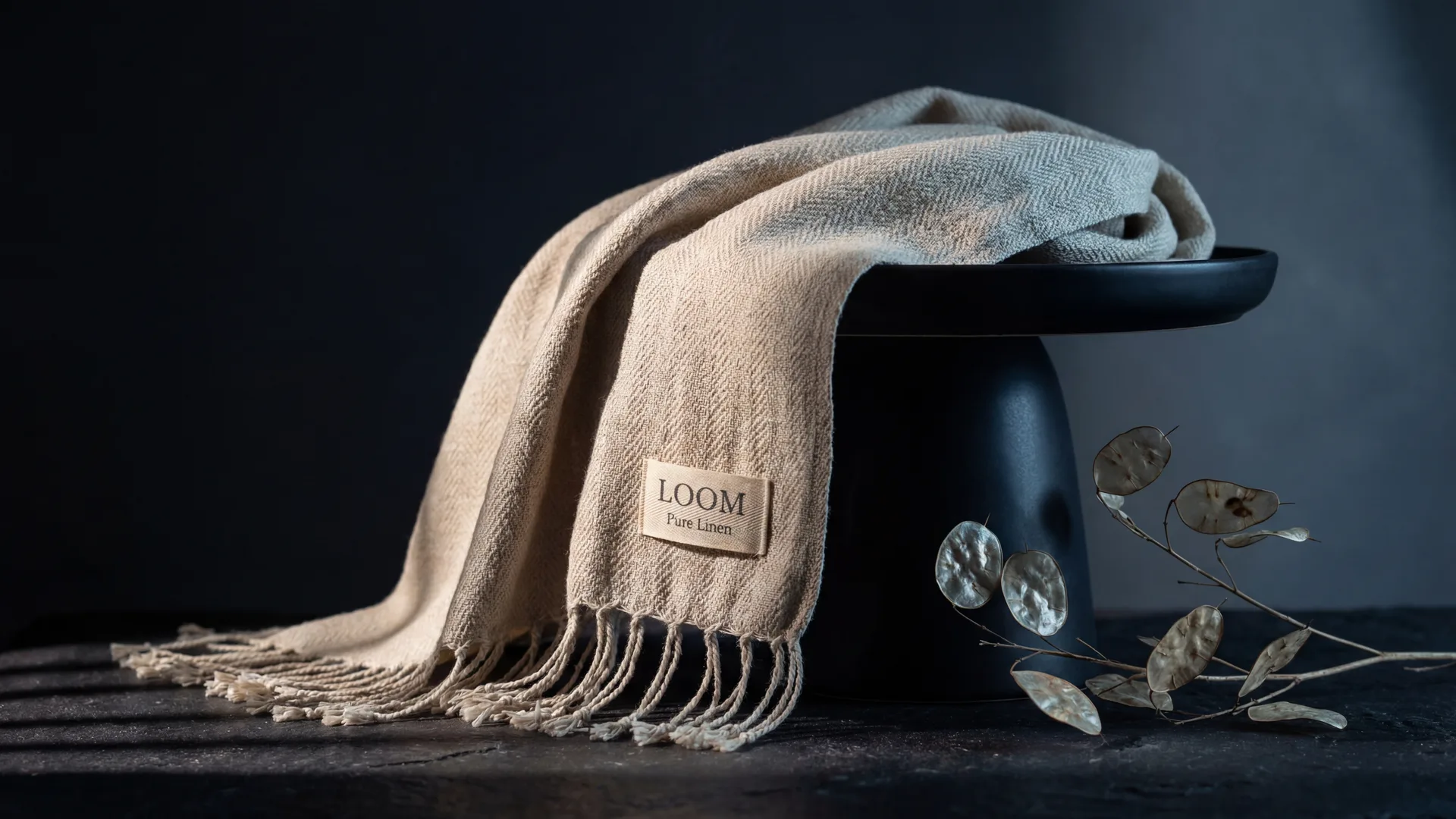
Dropshipping has revolutionized e-commerce, offering entrepreneurs a low-barrier entry into online retail. The core appeal lies in the ability to sell products without managing inventory or shipping. However, this model comes with a unique challenge: standing out in a crowded market where many sellers offer identical products from the same suppliers. In this visual-first digital landscape, the quality of your product imagery is no longer a luxury – it's a fundamental differentiator.
The Visual Imperative: Why High-Quality Photography is Non-Negotiable for Dropshipping
In a business where your customers cannot physically interact with the product, images become their primary point of contact and decision-making tool. For dropshippers, generic or low-quality visuals can be a death knell. Here’s why investing in superior product photography is crucial:
Building Trust and Credibility
Customers are savvy. They can spot a low-effort, generic product photo from a mile away. Such images often signal a less professional or even untrustworthy store. High-quality, consistent visuals, however, build instant credibility, assuring buyers that your store is legitimate and reliable. This trust is paramount in an industry where suppliers are often unknown to the end-consumer.
Standing Out in a Crowded Market
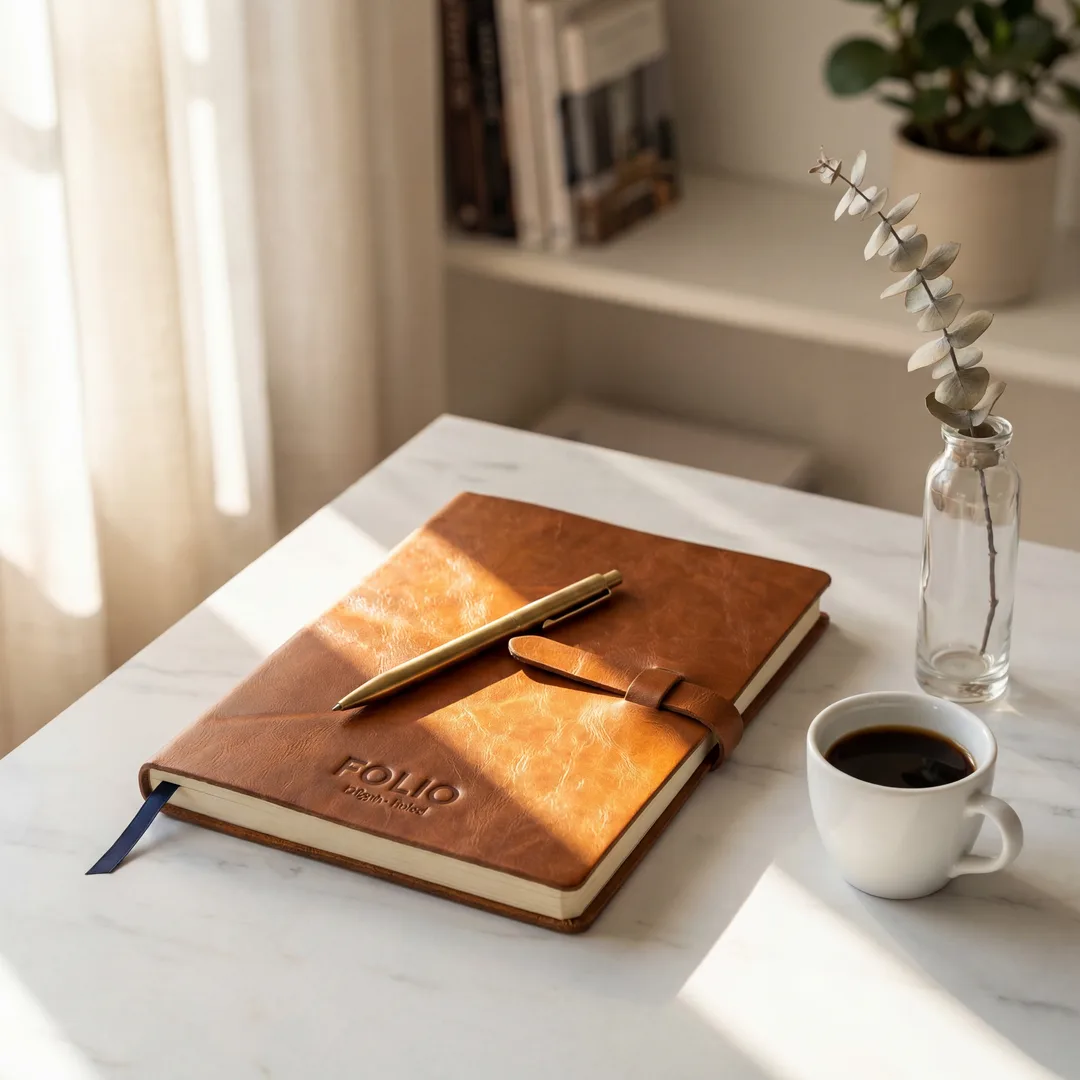
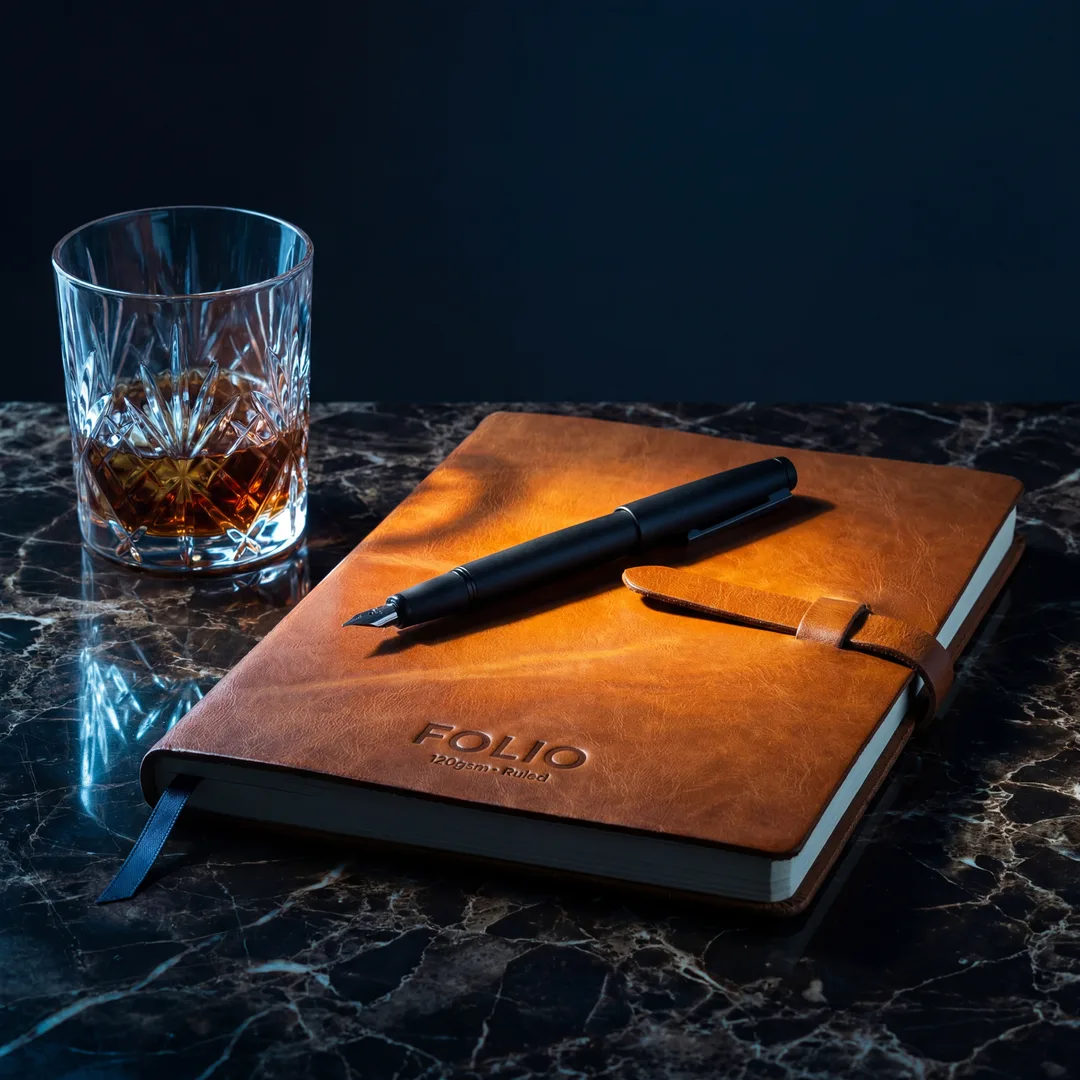
When dozens, if not hundreds, of dropshippers sell the exact same item, what makes your listing shine? Often, it's the visual presentation. Unique, professional lifestyle images that tell a story or evoke a feeling can differentiate your product from a sea of identical competitors, capturing attention and encouraging clicks.
Driving Engagement and Conversions
A beautifully composed image stops the scroll. It invites potential customers to spend more time on your product page, exploring details and imagining themselves using the product. Aspirational imagery connects emotionally, reducing bounce rates and significantly increasing the likelihood of a purchase. Studies consistently show that high-quality visuals directly correlate with higher conversion rates.
Optimizing for Mobile and Social Media
The vast majority of online shopping now happens on mobile devices, and social media platforms are powerful discovery engines. Crisp, high-resolution, and engaging images are essential for these platforms, where visuals dominate the user experience. Blurry or poorly cropped images perform poorly and reflect negatively on your brand.
Enhancing Ad Performance
Running paid ads is a common strategy for dropshippers. The success of these campaigns heavily relies on compelling creatives. Visually appealing product photos lead to higher click-through rates (CTR) and lower cost-per-click (CPC), making your advertising budget go further and yield better results.
Old vs. New: Traditional Product Photography vs. AI-Powered Visuals
Historically, dropshippers faced significant hurdles in acquiring high-quality product images. Let's look at the traditional challenges versus the revolutionary AI-powered approach.
The Traditional Bottlenecks:
- Reliance on Supplier Images: Most dropshippers start by using images provided by their suppliers. These are often generic, low-resolution, inconsistent, and sometimes even carry copyright risks. They rarely feature lifestyle contexts or align with a specific brand aesthetic.
- DIY Photography: Attempting to photograph products yourself requires a significant investment in equipment (camera, lighting, backdrops), time, and skill. Even with effort, achieving professional-grade results consistently is challenging, especially for a diverse product catalog.
- Outsourcing: Hiring professional photographers is effective but prohibitively expensive and slow for most dropshippers. It involves shipping products to a studio, waiting for shoots, and incurring costs for models, props, and location fees – logistical nightmares for a dropshipping model.
The AI Revolution for Dropshippers:
Enter AI-powered product photography, a game-changer for the dropshipping industry. Platforms like Photone AI eliminate the traditional pain points by offering a fast, cost-effective, and highly scalable solution.
- Speed and Efficiency: Generate dozens of unique lifestyle images in minutes, not days or weeks. This allows for rapid product launches and quick adaptation to market trends.
- Cost-Effectiveness: Drastically reduce or eliminate the need for expensive photoshoots, models, props, and studios. AI provides premium visuals at a fraction of the cost.
- Unmatched Variety and Creativity: Experiment with endless scenes, moods, lighting conditions, and compositions without logistical constraints. Your creativity is the only limit.
- Consistency and Scalability: Maintain a cohesive brand identity across your entire product catalog, even if you're sourcing from multiple suppliers. This is critical for establishing a strong brand presence as you scale.


Your AI Product Photography Workflow: A Step-by-Step Guide for Dropshippers
Integrating AI into your dropshipping workflow is straightforward and incredibly powerful. Here’s how to do it:
Step 1: Source Your Base Product Image
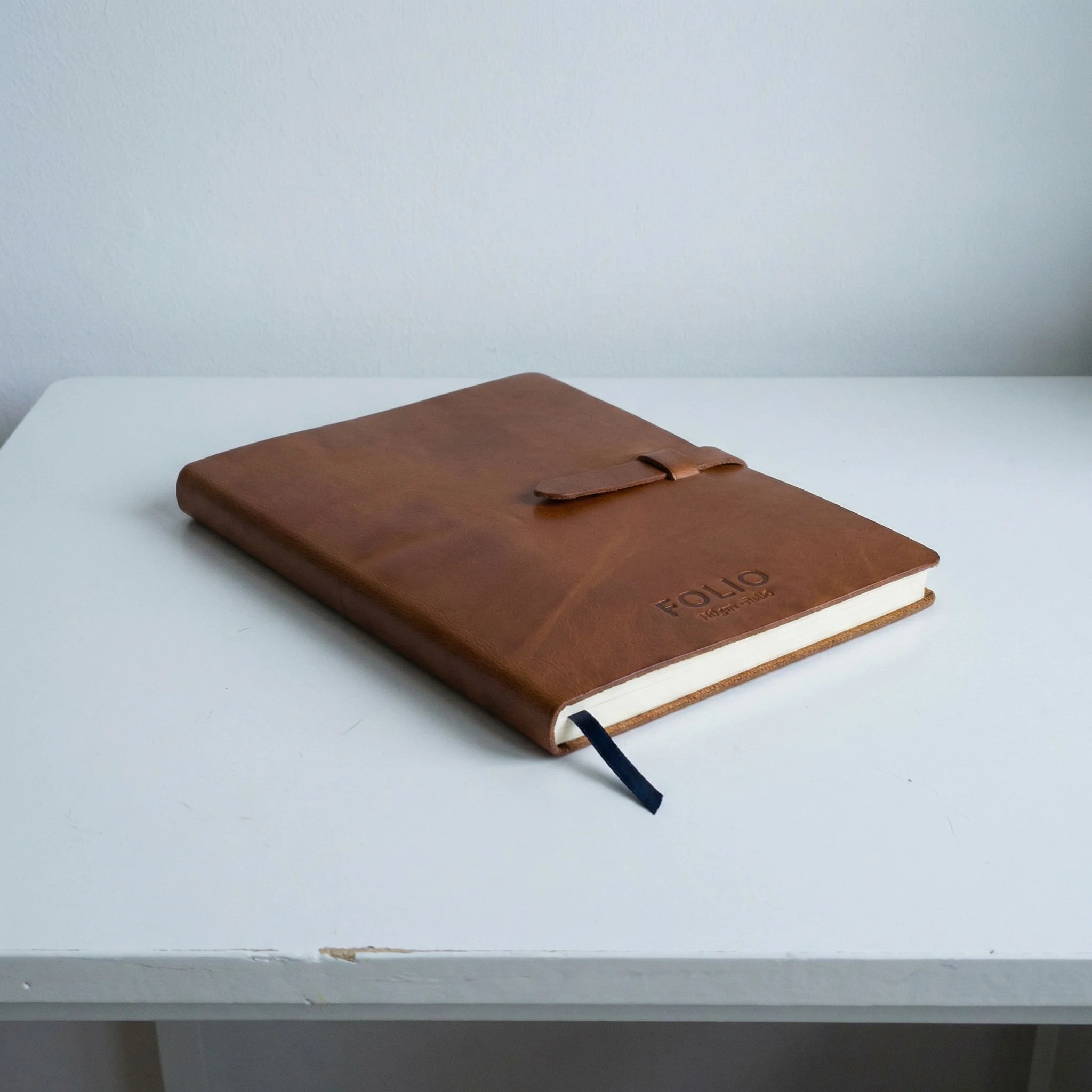
The foundation for any AI-generated image is a clean, clear base photo of your product. Ideally, this is a product-on-white image provided by your supplier. The better the initial product isolation, the more seamless the AI integration will be. If supplier images are poor, consider using a simple smartphone photo on a plain background, ensuring good lighting.
Step 2: Upload and Transform
Once you have your base image, it's time to let the AI work its magic. Platforms like Photone AI offer a "URL-to-photo pipeline," allowing you to simply paste a product URL and often get lifestyle photos in 60 seconds. Alternatively, you can upload your base image directly to the platform.
Step 3: Choose Your Scene and Style
This is where your vision comes to life. Explore various "scene templates" that align with your product's use case and your brand's aesthetic. Do you want a cozy indoor setting, an adventurous outdoor backdrop, or a minimalist studio look? Photone AI's "reusable styles" allow you to define specific photography templates that encode mood, lighting, composition, and color palette, ensuring visual consistency across your products.
Step 4: Generate and Refine
With your image uploaded and style selected, generate your photos. AI tools typically provide multiple variations. Review them, select your favorites, and make any minor adjustments or refinements. The iterative nature of AI allows for quick experimentation until you achieve the perfect shot.
Step 5: Integrate into Your Listings and Marketing
Download your high-resolution AI-generated images and seamlessly integrate them into your dropshipping store's product pages, social media posts, email marketing campaigns, and paid advertisements. Ensure images are optimized for web use to maintain fast loading times.
Mastering AI Product Photography: Best Practices for Dropshippers
While AI automates much of the process, strategic input ensures optimal results. Here are some best practices:
Define Your Brand's Visual Identity
Even if you're dropshipping, cultivate a consistent visual aesthetic. What mood are you trying to convey? What colors resonate with your target audience? Use Photone AI's "Brand DNA extraction" feature to analyze your existing shop's visual identity, or deliberately create "Reusable Styles" to maintain uniformity across all your product visuals. This helps in building a recognizable brand, even without physical inventory.
Storytelling Through Imagery
Every photo should tell a story. Instead of just showing the product, illustrate the experience of using it. How does it solve a problem? How does it enhance a lifestyle? For example, a water bottle isn't just a container; it's a companion on a mountain hike or a stylish accessory for a gym goer.
Diversify Your Shot Angles and Scenes
Provide a comprehensive view of your product. Use a mix of close-ups, wide shots, and different angles. Showcase the product in various relevant lifestyle contexts to appeal to a broader audience and answer potential customer questions visually.
Embrace Lifestyle and Contextual Shots
Move beyond plain white backgrounds. While essential for e-commerce, lifestyle shots are what truly sell the dream. Show your product being used by real people (or AI-generated models) in relatable environments. This helps customers visualize themselves with the product.
Optimize for Different Platforms
Consider the specific requirements for each platform. Your website might display landscape images, while Instagram thrives on square or portrait formats. Ensure your AI-generated images are cropped and resized appropriately for optimal display everywhere.
A/B Test Your Visuals
Don't just set it and forget it. A/B test different AI-generated image sets on your product pages and ads. See which styles, scenes, or compositions lead to higher engagement and conversion rates. This data-driven approach refines your strategy over time.
Real-World Impact: How AI Accelerates Dropshipping Workflows
AI product photography isn't just about pretty pictures; it's about transforming the operational efficiency of a dropshipping business.
Rapid Product Launch
With AI, the bottleneck of acquiring compelling product visuals is virtually eliminated. Dropshippers can go from identifying a trending product to having a fully optimized listing with stunning lifestyle images in a matter of hours, allowing them to capitalize on fleeting market opportunities faster than ever before.
Seasonal and Trend Adaptability
Holiday seasons, cultural events, and viral trends demand timely and relevant marketing. AI allows dropshippers to instantly generate new visuals that align with current themes – think winter scenes for holiday gifts, vibrant summer settings for beachwear, or specific backdrops for trending niches – without any logistical hassle.
Global Market Appeal
Expanding into international markets often requires cultural nuances in marketin...
Frequently Asked Questions
How does AI product photography actually work for dropshipping?+
AI product photography platforms allow you to upload a basic image of your product (often a simple product-on-white photo, or even via a URL). The AI then generates realistic lifestyle scenes, backgrounds, and models around your product, transforming it into a professional marketing photo without the need for physical shoots, props, or models. This is ideal for dropshippers who don't physically handle inventory.
Do I need high-quality source images for AI to work effectively?+
While AI can perform wonders, starting with the cleanest possible source image of your product will always yield the best results. A clear, well-lit product-on-white image allows the AI to accurately isolate the product and integrate it seamlessly into new scenes. However, many AI tools can also work with reasonable smartphone photos or even low-resolution supplier images, though the output quality might vary.
Can AI product photography replace a professional photographer entirely for dropshippers?+
For most dropshippers, AI product photography can effectively replace the need for professional photographers. It provides high-quality, diverse, and scalable visuals at a fraction of the cost and time. While a high-end brand with a unique, custom product might still opt for a traditional photoshoot, AI offers a superior solution for the vast majority of dropshipping needs, especially given the model's inherent limitations regarding physical product access.
Is AI product photography ethical for dropshipping?+
Yes, AI product photography is ethical when used responsibly. It's a tool for creating marketing visuals, much like graphic design software. The key is to ensure the generated images accurately represent the product being sold and do not misrepresent its features or quality. The goal is to enhance product presentation, not to deceive customers.
How can I ensure brand consistency with AI-generated images across my dropshipping store?+
Platforms like Photone AI offer features such as 'Reusable Styles' and 'Brand DNA extraction.' You can define specific parameters for mood, lighting, composition, and color palette. This allows you to apply a consistent visual identity across all your product images, even when working with diverse products from different suppliers, creating a cohesive and professional brand aesthetic.
What's the typical cost saving for dropshippers using AI photography compared to traditional methods?+
The cost savings can be substantial. Traditional product photography can cost hundreds to thousands of dollars per product for professional shoots, models, and studio time. AI photography, with its subscription-based models or per-credit pricing, can reduce this to a few dollars or even cents per image, offering a premium visual solution at a fraction of the traditional cost, leading to thousands in savings annually for a dropshipping store with multiple products.
Can AI photography help with international dropshipping and localization?+
Absolutely. AI photography can be a powerful tool for international dropshipping. Platforms like Photone AI support multiple languages (e.g., 21 supported languages), allowing you to not only translate your store content but also to generate lifestyle images that resonate with specific cultural contexts or local aesthetics, making your products more appealing to global audiences.