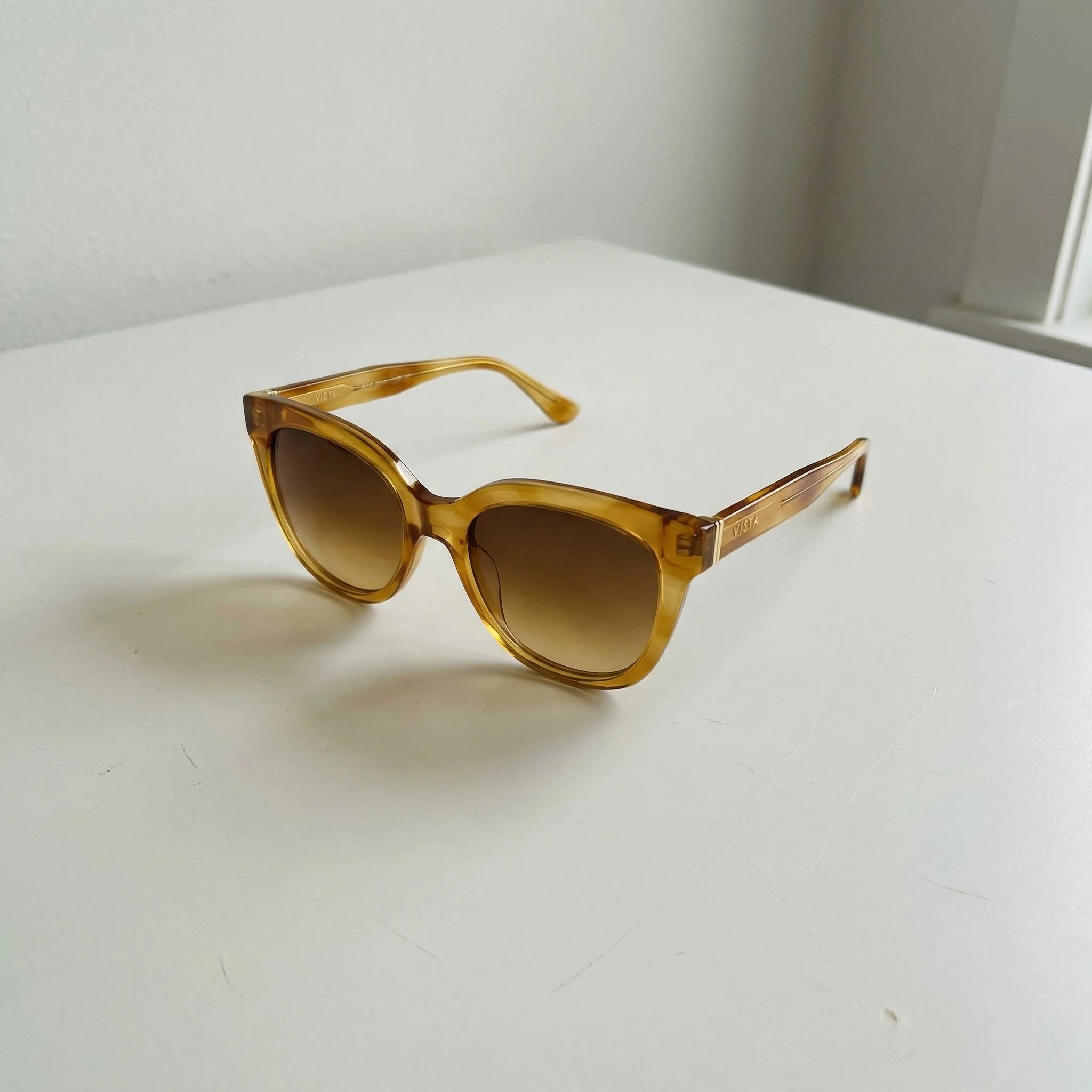
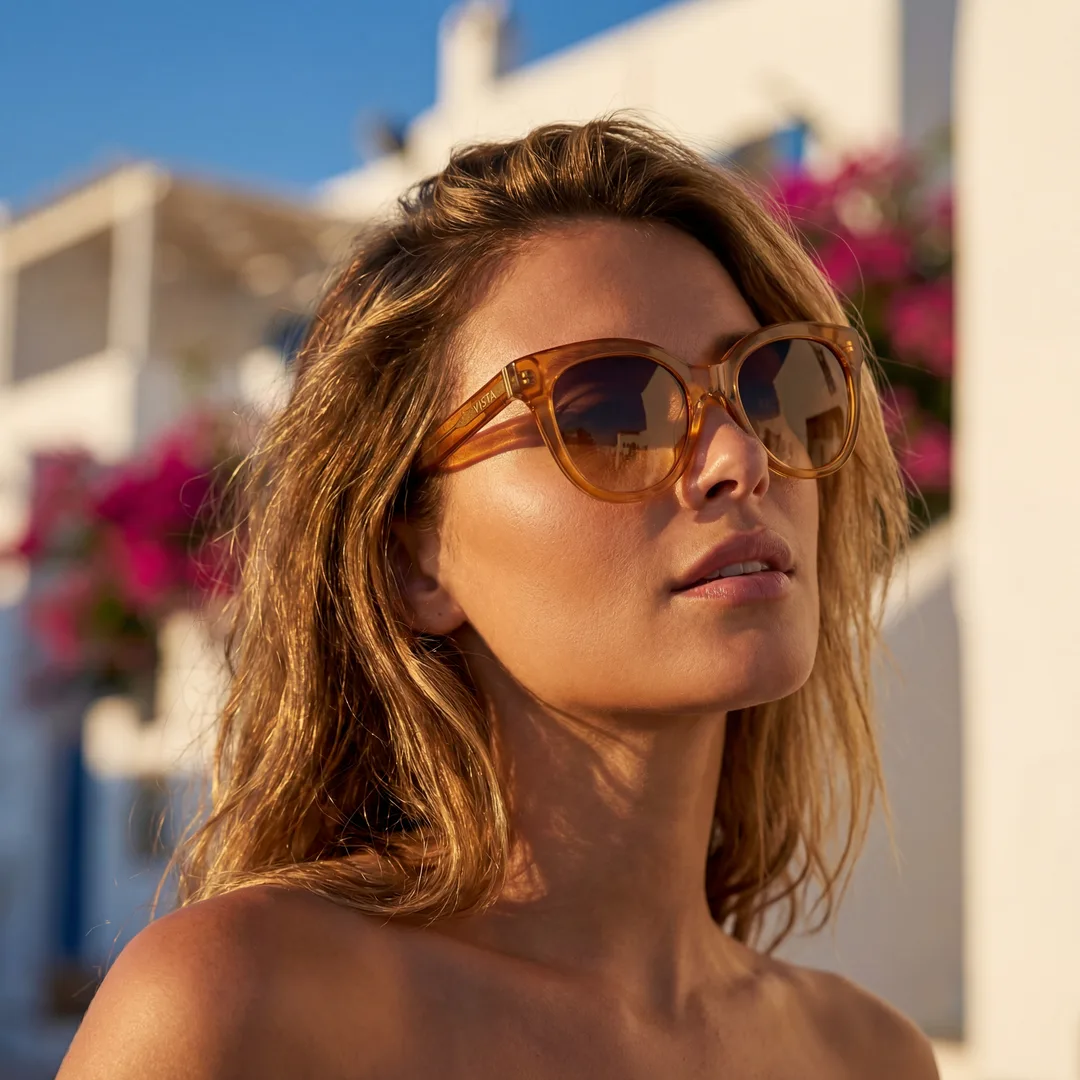
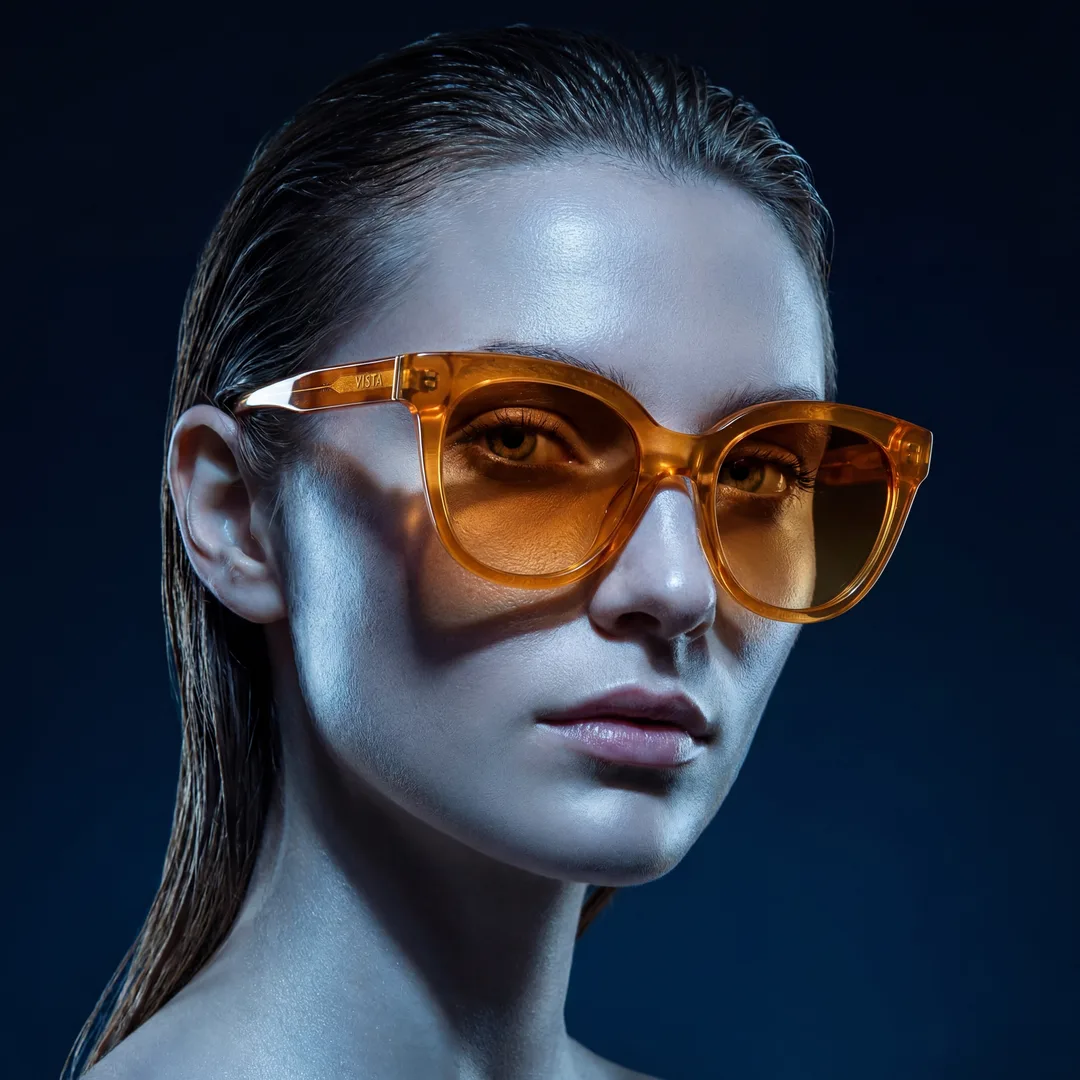
Mastering A/B Testing Product Images with AI Photography
Discover how AI-powered product photography revolutionizes A/B testing, enabling rapid iteration and significant conversion rate improvements for e-commerce.
The Untapped Power of A/B Testing Product Images for E-commerce Growth
In the fiercely competitive world of e-commerce, every pixel on your product page can significantly sway a customer's decision. Product images are often the first, and sometimes only, impression a potential buyer gets of your item. They communicate quality, inspire desire, and build trust. This is precisely why A/B testing product images is not just a best practice, but a critical strategy for optimizing conversion rates. By systematically testing different visual approaches, you can uncover exactly what resonates most with your target audience, leading to increased sales and a stronger brand presence.
Why A/B Testing Product Images Demands High-Quality Visuals
A/B testing is fundamentally about isolating variables to understand their impact. When you're testing product images, the quality of those visuals is paramount. Poorly executed images introduce confounding variables, making it impossible to accurately assess what's truly driving performance.
Imagine trying to A/B test two different lifestyle shots for a watch. If one shot is professionally lit, beautifully composed, and showcases the watch's craftsmanship, while the other is blurry, poorly cropped, and shot in a cluttered environment, any difference in conversion isn't telling you about the style of lifestyle shot, but rather the stark difference in quality. High-quality visuals ensure:
- Accurate Data: You can trust that the variations in conversion are due to the specific visual elements you're testing (e.g., background, model, context, mood) rather than a general lack of professionalism.
- Customer Trust and Perception: High-quality images convey professionalism, attention to detail, and a sense of value. They build immediate trust and encourage customers to explore further.
- Emotional Connection: Professional images tell a story, evoke emotions, and help customers envision themselves using the product, which is crucial for driving purchase intent.
- Reduced Bounce Rates: Engaging visuals capture attention instantly, encouraging visitors to stay on the page longer and learn more about the product.
Without high-quality visuals as a foundation, your A/B test results are compromised, leading to misinformed decisions and missed opportunities.
Traditional Approach vs. The AI-Powered Approach to Product Image Testing
Historically, generating diverse, high-quality product images for A/B testing was a significant hurdle.
The Traditional Approach: Costly, Time-Consuming, and Limited
The conventional method involves professional photoshoots, which, while capable of producing stunning results, come with substantial drawbacks when applied to A/B testing:
- High Cost: Professional photographers, studios, models, props, and post-production can easily run into thousands of dollars for a single product, let alone multiple variations.
- Time Intensive: Planning, scheduling, shooting, and editing often take weeks, if not months, delaying your testing cycles and market responsiveness.
- Logistical Complexity: Coordinating multiple elements like locations, talent, and equipment is a significant challenge.
- Limited Variations: Due to cost and time constraints, marketers typically only produce a handful of variations, limiting the scope and depth of their A/B tests. Iterating based on results meant another lengthy and expensive photoshoot.
- Inconsistency: Maintaining a consistent visual style across numerous shots for different products or campaigns could be difficult, impacting brand perception.
The AI-Powered Approach: Speed, Scalability, and Unrivaled Efficiency
Artificial intelligence has revolutionized product photography, offering a paradigm shift for A/B testing. Platforms like Photone AI leverage advanced algorithms to transform simple product images or even URLs into a vast array of professional, context-rich lifestyle shots.
- Unprecedented Speed: What once took weeks now takes minutes. With an AI platform, you can generate dozens, even hundreds, of image variations in a fraction of the time, allowing for rapid iteration and continuous testing. Photone AI, for example, boasts a URL-to-photo pipeline that delivers lifestyle photos in approximately 60 seconds.
- Significant Cost Reduction: Eliminate the need for expensive photoshoots, models, and studio rentals. AI-generated images offer a dramatically more cost-effective solution, freeing up budget for other marketing initiatives.
- Unlimited Variations: AI empowers you to explore countless scenarios – different backgrounds, lighting conditions, moods, models, and compositions – all from a single source image. This breadth of options is invaluable for comprehensive A/B testing.
- Scalability: Easily generate images for an entire product catalog, applying consistent styles or testing specific visual themes across hundreds of products without logistical nightmares.
- Consistency and Branding: AI tools often feature "reusable styles" and "brand DNA extraction," ensuring that your generated images maintain a consistent aesthetic that aligns with your brand's visual identity, crucial for building brand recognition and trust.
- Global Reach: With support for multiple languages and diverse scenes, AI platforms can help tailor visuals for different international markets, enabling targeted A/B tests for global sellers.
This AI-powered approach transforms A/B testing product images from an occasional, high-effort endeavor into a routine, agile, and highly effective optimization strategy.
Step-by-Step Workflow for Creating Images for A/B Testing Product Images with AI
Implementing AI into your A/B testing strategy involves a straightforward, iterative process:
1. Define Your Hypothesis and Test Goals
Before generating any images, clearly articulate what you want to test and why.
- Example Hypothesis 1: "Replacing plain white background images with lifestyle shots showing the product in use will increase conversion rates by 10%."
- Example Hypothesis 2: "Images featuring models interacting with the product will outperform images of the product alone for apparel items."
- Example Hypothesis 3: "A warmer, more inviting color palette in lifestyle shots will resonate better with our target audience than a cooler, minimalist aesthetic."
Your hypothesis will guide the types of images you need to generate.
2. Gather Your Product Assets
Start with a high-quality source image of your product – a clear shot, preferably on a plain background. Alternatively, if using a platform like Photone AI, you can simply paste a product URL, and the AI will analyze the existing product image. Ensure the product itself is well-represented and easy to isolate from its background.
3. Leverage AI to Generate Diverse Image Variations
This is where the power of AI truly shines.
- Input Product: Upload your source image or paste the product URL into your chosen AI platform.
- Explore Styles and Scenes: Utilize the platform's features to generate variations. Experiment with:
- Backgrounds: From minimalist studios to bustling cityscapes, serene nature scenes, or cozy home interiors.
- Context: Show the product being used by a person, placed in a relevant environment, or combined with complementary items.
- Mood & Lighting: Test different lighting schemes (bright and airy, dramatic and moody), color palettes (warm, cool, vibrant, subdued), and overall atmospheres. Many AI tools offer "reusable styles" or scene templates that encode these elements for consistent application.
- Models: If your product benefits from human interaction, explore different demographics, expressions, and poses.
- Composition: Experiment with close-ups, wide shots, different angles, and product placement within the scene.
- Iterate and Refine: Generate a batch, review, and refine your prompts or selections to create even more targeted variations. The goal is to produce two to five distinct, high-quality images that directly test your hypothesis.
4. Select and Prepare Images for Testing
Choose the most promising variations that represent your test hypothesis clearly. Ensure they meet your brand's quality standards. For consistency in your A/B test, maintain identical aspect ratios, resolutions, and file sizes (where possible) across all images to be tested. This prevents other factors from influencing results.
5. Implement Your A/B Test
Integrate the selected images into your A/B testing tool (e.g., Optimizely, VWO, Google Optimize, Shopify's built-in A/B testing apps). Set up your test to show different image variants to different segments of your audience. Ensure your tracking is correctly configured to measure key metrics like conversion rate, add-to-cart rate, bounce rate, and average order value.
6. Analyze Results and Iterate
Monitor your test results closely. Once statistical significance is reached, analyze which image variant performed best and why. What specific elements contributed to its success? Use these insights to inform your next round of image generation and A/B testing, continuously refining your product visuals for optimal performance.
Best Practices for Image Composition, Styling, and Branding in A/B Testing
To maximize the effectiveness of your AI-generated images for A/B testing, keep these best practices in mind:
Image Composition
- Product Prominence: Even in lifestyle shots, the product should remain the hero. Ensure it's clearly visible, well-lit, and in focus.
- Rule of Thirds: Position key elements along the lines or at the intersections of a 3x3 grid for balanced and engaging compositions.
- Leading Lines: Use elements within the scene to naturally guide the viewer's eye towards your product.
- Negative Space: Don't be afraid of empty space. It helps the product stand out and prevents the image from looking cluttered.
- Vary Angles: Test different perspectives – eye-level, slightly above, close-up – to see which re...
Frequently Asked Questions
How accurate are AI-generated images for A/B testing?+
AI-generated images are highly accurate in representing the product while providing diverse contextual scenarios. Their consistency in quality and ability to rapidly generate variations make them ideal for controlled A/B tests, ensuring that observed conversion differences are due to the visual elements being tested, not inconsistencies in image quality.
Can AI create images with diverse models and settings for global markets?+
Yes, advanced AI platforms like Photone AI are designed to create images with diverse models, ethnicities, and a wide array of geographical or culturally relevant settings. This capability is crucial for global sellers who need to A/B test localized visuals to resonate with specific international audiences and preferences across 21 supported languages.
Is AI product photography cost-effective for small businesses?+
Absolutely. AI product photography drastically reduces the need for expensive photoshoots, models, and studios, making professional-grade visuals accessible even for small businesses and startups. The subscription-based pricing (e.g., Photone AI's Free or Starter tiers) offers a highly cost-effective alternative to traditional photography, delivering significant ROI through time and cost savings.
How quickly can I get images for A/B testing using AI?+
The speed is one of AI's biggest advantages. Platforms like Photone AI can generate multiple high-quality lifestyle marketing photos from a product URL in approximately 60 seconds. This rapid turnaround allows marketers to set up and run A/B tests in minutes or hours, rather than days or weeks, significantly accelerating optimization cycles.
What kind of images should I A/B test first?+
Start by testing fundamental changes that align with clear hypotheses. Common initial tests include: plain white background vs. lifestyle shot, product-only vs. product with a model, different lifestyle contexts (e.g., home vs. outdoor), varying emotional moods (e.g., luxurious vs. cozy), or different primary color palettes. Begin with high-impact elements and refine from there.
Does AI product photography maintain brand consistency across images?+
Yes, many AI platforms incorporate features specifically designed for brand consistency. Tools like 'reusable styles' and 'Brand DNA extraction' (as offered by Photone AI) allow you to define and apply a consistent aesthetic—including lighting, composition, and color palette—across all generated images, ensuring your brand's visual identity remains cohesive.
Can AI handle complex or highly reflective products?+
While AI has made significant advancements, highly complex or extremely reflective products can sometimes pose unique challenges. However, the technology is continuously improving. Most AI platforms are proficient with a wide range of product types, and users often find success by providing clear, well-lit source images and experimenting with different scene templates and lighting adjustments within the AI tool.